English
- English
- Español
- Português
- русский
- Français
- 日本語
- Deutsch
- tiếng Việt
- Italiano
- Nederlands
- ภาษาไทย
- Polski
- 한국어
- Svenska
- magyar
- Malay
- বাংলা ভাষার
- Dansk
- Suomi
- हिन्दी
- Pilipino
- Türkçe
- Gaeilge
- العربية
- Indonesia
- Norsk
- تمل
- český
- ελληνικά
- український
- Javanese
- فارسی
- தமிழ்
- తెలుగు
- नेपाली
- Burmese
- български
- ລາວ
- Latine
- Қазақша
- Euskal
- Azərbaycan
- Slovenský jazyk
- Македонски
- Lietuvos
- Eesti Keel
- Română
- Slovenski
- मराठी
- Srpski језик
Factory Price Cleated and Sidewall Conveyor Belt for Efficient Bulk Material Handling
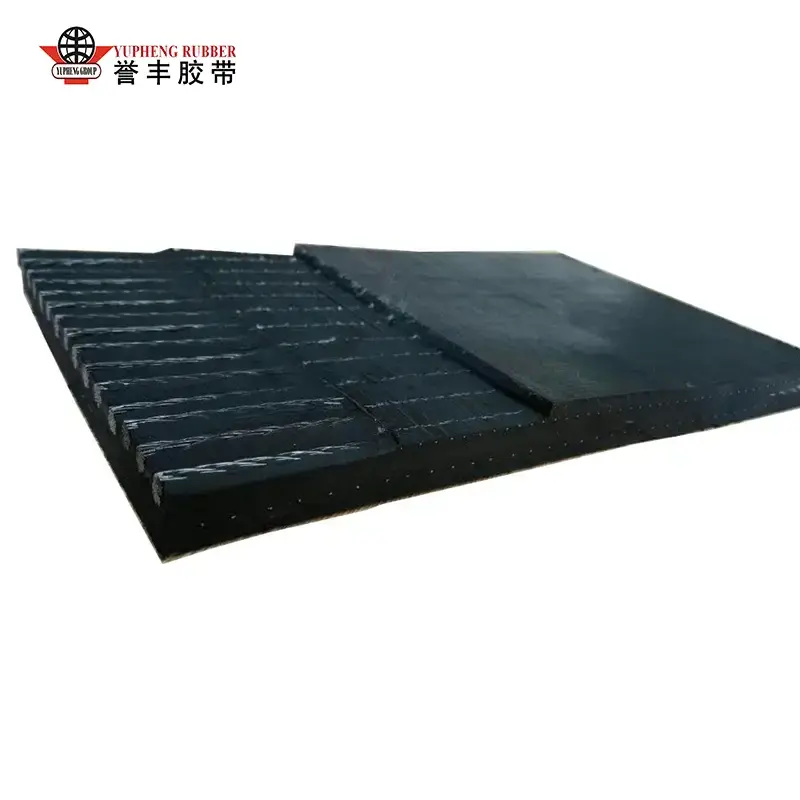
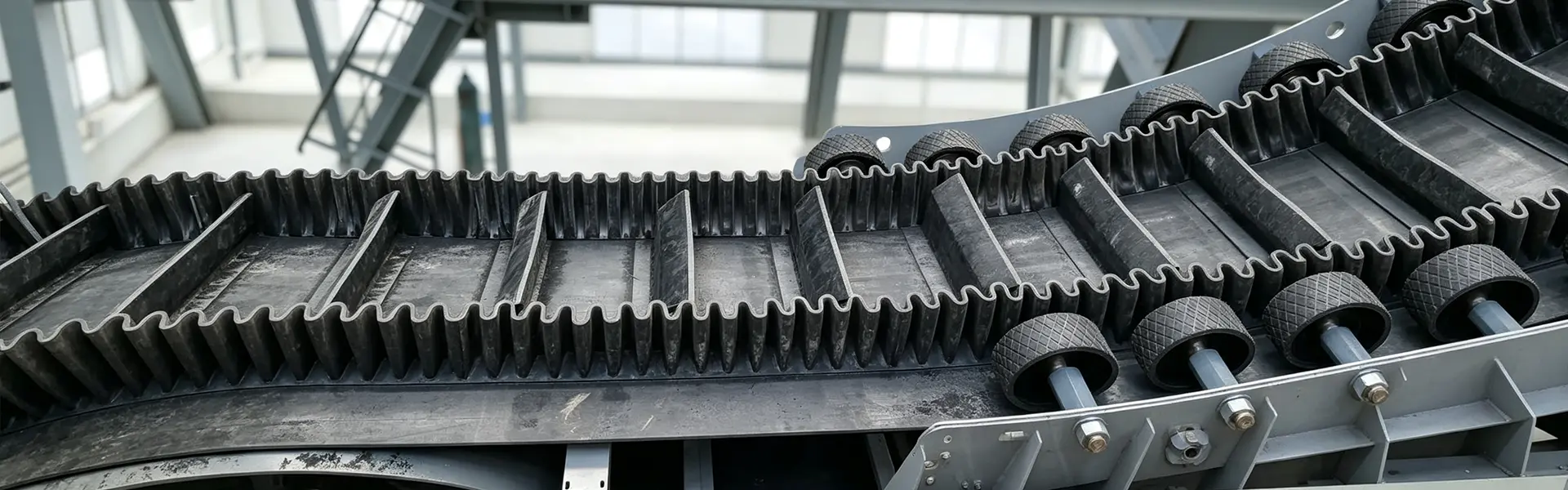
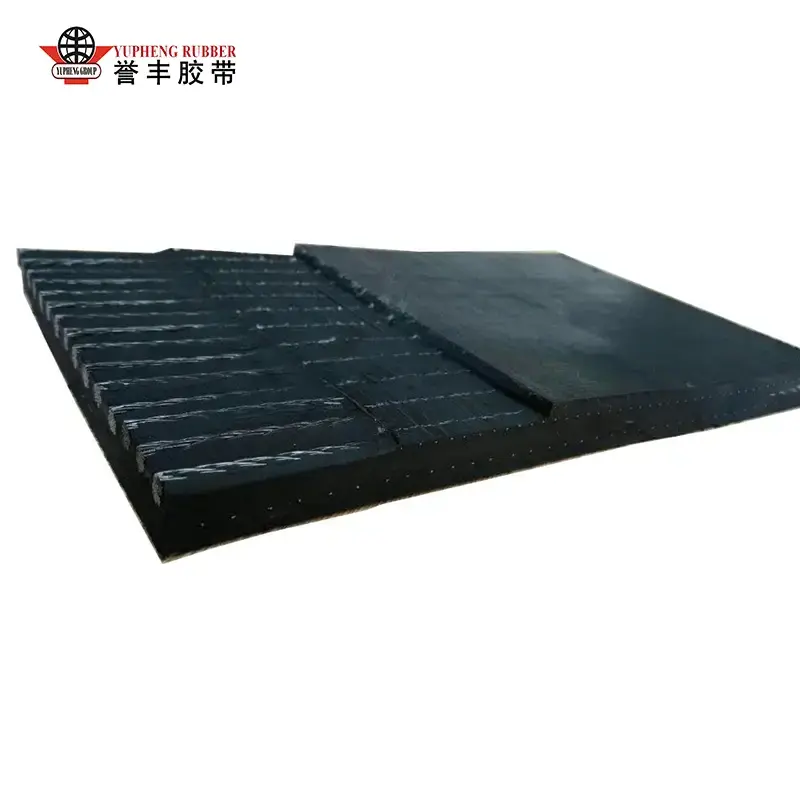
YUFENG Cleated and Sidewall Conveyor Belt, also known as corrugated sidewall conveyor belt or steep-angle conveyor belt, is designed for conveying bulk materials where conventional flat belts cannot provide sufficient lifting height or prevent material rollback. The belt consists of a base belt, corrugated sidewalls and transverse cleats, which are integrated through hot vulcanization.
YUFENG provides EP fabric and steel cord reinforced structures for different conveying distances, material weights and installation layouts. The available designs support horizontal, inclined and vertical conveying, making them suitable for mining, cement, aggregate, grain, chemical and other bulk material handling applications.
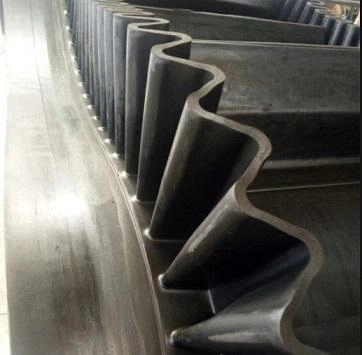
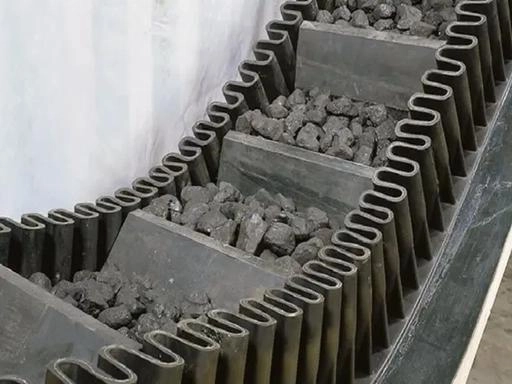
EP Fabric and Steel Cord Sidewall Belt Classification
EP Fabric Sidewall Conveyor Belt
The EP fabric carcass provides good flexibility, low elongation and stable tensile performance. It is suitable for medium-load conveying systems with relatively short or moderate conveying distances, including cement plants, grain processing facilities and aggregate production lines.
Steel Cord Sidewall Conveyor Belt
The steel cord carcass provides higher tensile strength and lower permanent elongation than fabric structures. It is designed for heavy-duty applications requiring greater conveying distance, lifting height and material capacity, particularly in mining and large-scale bulk material handling systems.
| Belt Type | Core Characteristic | Applicable Working Condition |
|---|---|---|
| EP Fabric Sidewall Belt | Flexible, low elongation, cost-effective | Medium-short distance and medium-load conveying |
| Steel Cord Sidewall Belt | High tensile strength, ultra-low stretch | Long-distance and heavy-duty conveying |
The appropriate carcass should be selected according to lifting height, belt length, material density, hourly capacity and maximum conveying angle.
Sidewall Height, Cleat Type and Size Options
Sidewall Height
YUFENG supplies corrugated sidewalls in heights from 40 mm to 500 mm, allowing the belt structure to be matched with different material volumes and conveying capacities.
Cleat Configuration
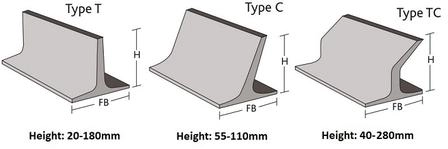
T, C and TC cleat configurations are available. Cleat height can be customized from 20 mm to 460 mm, with spacing adjusted according to material characteristics and conveying angle.
Belt Width and Carcass Grade
Available Cleated and Sidewall Conveyor Belt widths range from 300 mm to 2000 mm, with EP100–EP1000 fabric carcasses and ST630–ST2000 steel cord carcasses available for different load requirements.
Functional Sidewall Conveyor Belt Types
General Wear Resistant Sidewall Belt
The standard wear-resistant rubber compound is suitable for conventional bulk materials such as sand, aggregate, coal and cement raw materials. The normal operating temperature range is approximately -20°C to +60°C.
Flame Retardant Anti-Static Sidewall Belt
This structure combines flame-retardant and conductive properties for underground conveying environments where fire and static electricity are major safety concerns. Applicable models can be manufactured according to MT/T668 requirements.
High Temperature Resistant Sidewall Belt
EPDM-based heat-resistant rubber is used for conveying hot materials such as cement clinker and metallurgical slag. Suitable formulations can support material temperatures up to approximately 180°C, depending on the actual operating conditions.
Oil Resistant Sidewall Belt
NBR-based cover rubber provides resistance to mineral oils, lubricants and certain chemical media, reducing rubber swelling and cracking in oil-contaminated working environments.
Low Temperature Resistant Sidewall Belt
A cold-flexible rubber compound maintains flexibility in low-temperature applications and can be configured for outdoor conveying environments down to approximately -40°C, depending on the specific formulation.
Food Grade Sidewall Belt
Food-contact applications can use suitable non-toxic and easy-clean materials for grain, fruit, vegetable and food-processing conveying equipment. The exact material and certification should be selected according to the destination market and application requirements.
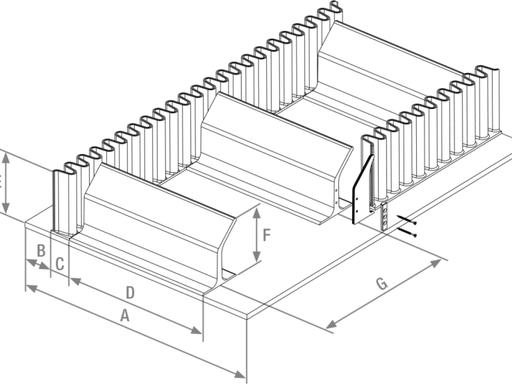
Structural and Functional Customization
Base Carcass Selection
YUFENG offers polyester EP fabric or galvanized steel cord reinforced base belts according to conveying load, distance and lifting requirements.
Sidewall Height Customization
Available sidewall heights include 40, 60, 80, 100, 200, 300, 400 and 500 mm, with other dimensions available according to project requirements.
Cleat Type and Spacing
T, C and TC cleats can be selected according to material size, conveying angle and required carrying capacity.
Functional Rubber Formulation
Wear-resistant, flame-retardant, high-temperature, oil-resistant and low-temperature rubber formulations can be configured for different operating environments.
Reinforcement Structure
Transverse reinforcement can be added to improve base-belt support during the return stroke, while additional transverse steel wire reinforcement can be configured for high-impact material loading.
Fixed-Length Processing
YUFENG supports fixed-length cutting and customized dimensions for compact conveying equipment and project-specific installations.
Integrated Vulcanization and Belt Performance
One-Piece Hot Vulcanization
The sidewalls, cleats and base belt are integrated through high-temperature vulcanization rather than relying only on surface adhesive bonding. This helps maintain structural integrity during repeated bending and pulley operation.
Vertical and Steep-Angle Conveying
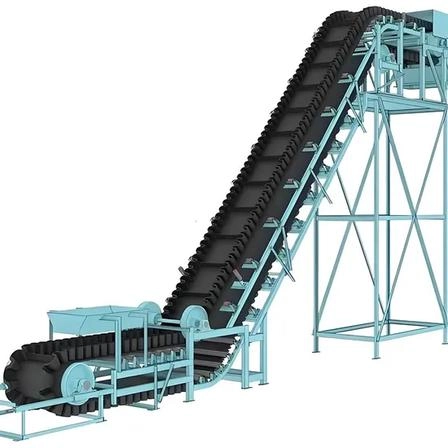
The corrugated sidewalls contain material laterally while the cleats provide transverse support. Depending on the system configuration and material characteristics, the belt can be used for steep-angle and vertical conveying applications.
Reduced Material Rollback
The combination of sidewalls and cleats forms individual material pockets, helping reduce material sliding and spillage on steep conveying sections.
Flexible Conveyor Layout
Sidewall conveyor systems can be configured for horizontal-to-inclined, Z-type and S-type layouts, potentially reducing the need for intermediate transfer points.
Carcass Selection for Different Loads
EP structures are generally suitable for medium-load applications, while steel cord structures provide higher tensile strength for heavy-duty and longer conveying systems.
Raw Materials and Manufacturing Control
Base Carcass
High-tenacity EP fabric and high-strength galvanized steel cord are selected according to the required tensile grade.
Sidewall and Cleat Rubber
Flexible rubber compounds with good bending fatigue resistance are used for sidewalls and cleats to withstand repeated movement around pulleys.
Cover and Bonding Rubber
Virgin natural rubber or functional synthetic rubber such as NBR and EPDM can be selected according to wear, oil and temperature requirements.
Reinforcing Components
Transverse rigid reinforcement and anti-tear steel wire structures can be incorporated into special designs where additional support or impact resistance is required.
Each batch of fabric, steel cord and rubber materials is subject to tensile, bending and adhesion-related inspection before entering production.
Installation, Splicing and Maintenance
Hot Vulcanization Splicing
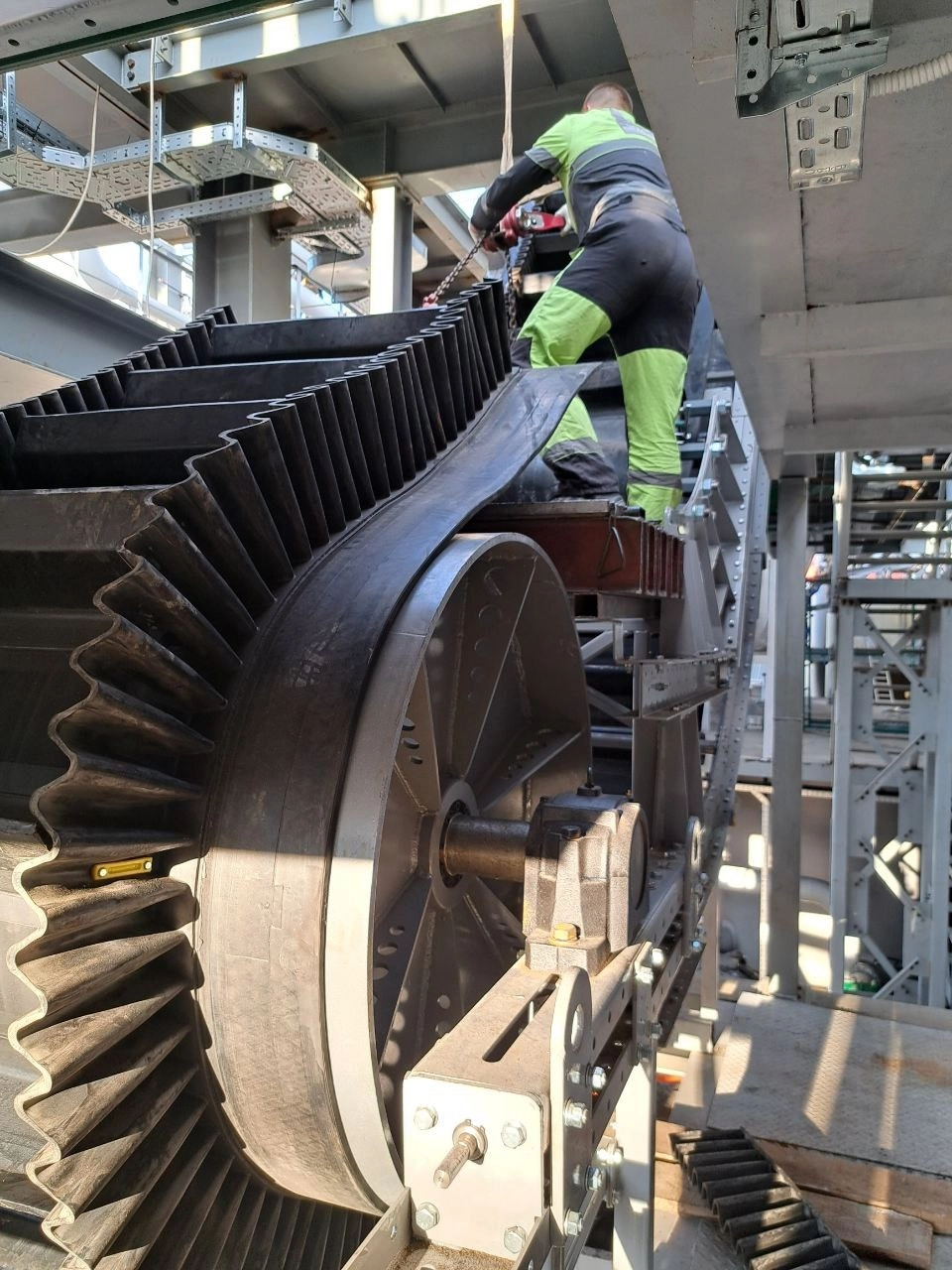
For permanent connections, the base belt is prepared in stepped layers while the sidewall and cleat positions are accurately aligned. Matching bonding rubber is then placed between the belt layers before vulcanization under controlled temperature and pressure.
Cold Bonding Repair
Cold adhesive repair can be used for localized surface damage or emergency maintenance. It is not recommended as the primary load-bearing joint for long-term heavy-duty operation.
Conveyor Layout Requirements
Sidewall-specific return idlers should be used to support the belt during the return stroke. PU impact idlers should be installed near loading points where large materials may create concentrated impact.
Belt Alignment
Self-aligning idlers can be installed at appropriate intervals on long conveying lines to reduce belt deviation and maintain stable operation.
Matching Conveyor Components
Conveyor Belt Series
YUFENG Cleated and Sidewall Conveyor Belt can supply Fabric Conveyor Belt, Steel Cord Conveyor Belt, Patterned Conveyor Belt, Rough Top Conveyor Belt and Pipe Conveyor Belt for different conveying requirements.
Conveyor Roller Series
Matching components include trough rollers, return rollers, impact rollers, self-aligning rollers and dedicated sidewall conveyor roller assemblies.
Rubber Accessories
Wear-resistant rubber sheets, conveyor skirting, repair adhesives and vulcanization patch kits are available for conveyor system maintenance.
HDPE Pipeline Products
HDPE Water Pipe and HDPE Dredge Pipe can be supplied for auxiliary water and slurry transportation applications in mining projects.
Customized Supporting Service
Roller dimensions, sidewall height, cleat configuration, belt width and rubber formulation can be adjusted according to engineering drawings and operating conditions.
Standards and Quality Documentation
Manufacturing Standards
YUFENG sidewall conveyor belts are manufactured with reference to ISO 14890, DIN 22102 and GB/T 7984 requirements. Steel cord base structures can follow DIN 22131, while applicable underground flame-retardant models can be produced according to MT/T668.
Quality Certifications and Reports
Available documentation may include ISO 9001 quality management certification, CE documentation, SGS test reports, coal mine safety documentation and factory bending-fatigue test reports, depending on the product configuration and destination market.
Core Performance Indicators
| Performance Item | Standard Requirement | Test Standard |
|---|---|---|
| Elongation at Break of EP Carcass | ≥300% | ISO 6259 |
| Interlayer Peel Strength | ≥12 N/mm | ISO 2411 |
| Permanent Elongation Under Rated Load | ≤2.5% | DIN 22102 |
| Cover Rubber Abrasion Loss | ≤0.8 cm³/1.61 km | ISO 4649 |
| Sidewall Root Adhesion Strength | No separation after 10,000 bending cycles | Factory bending test |
Packing and Storage
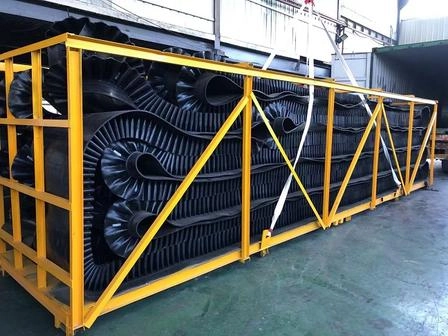
Medium and Small Width Belts
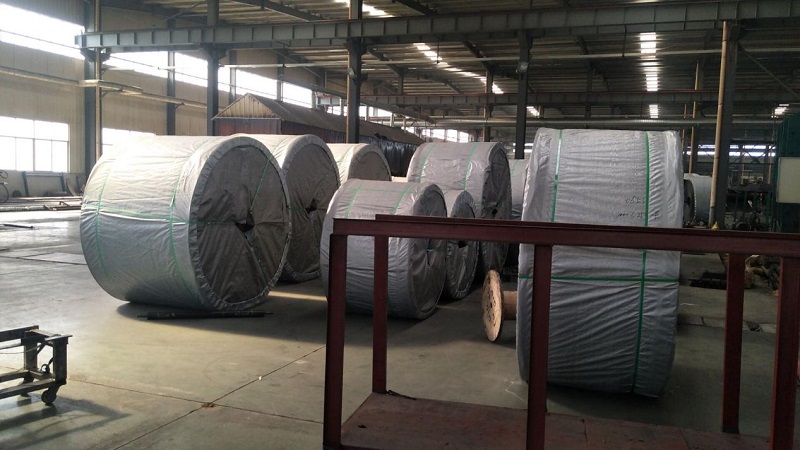
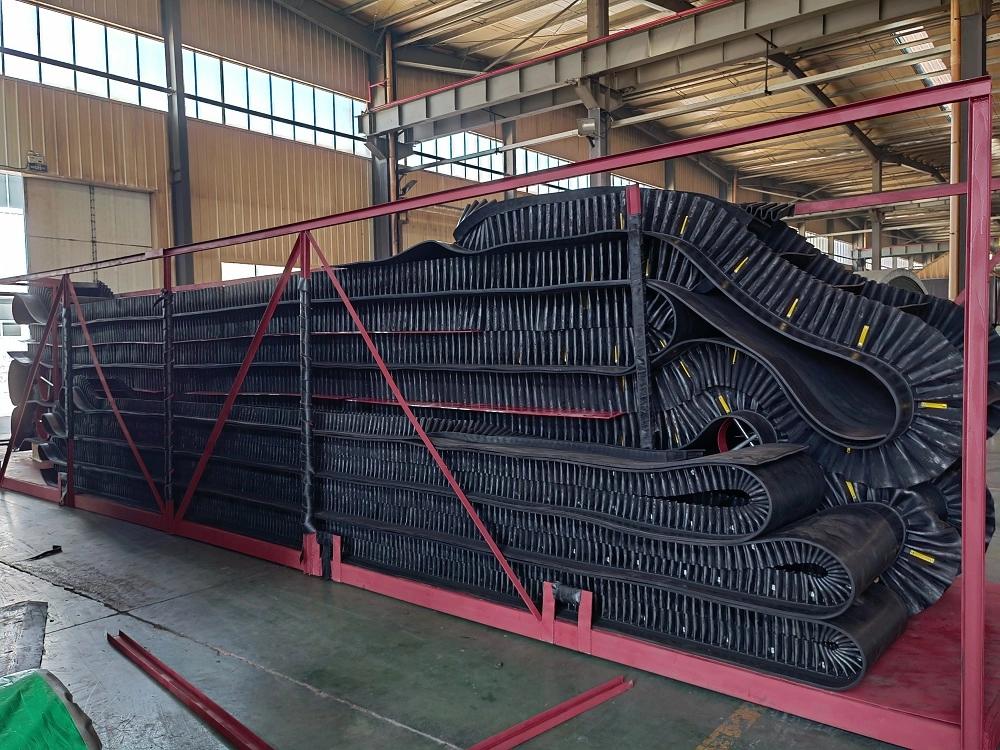
Belts between approximately 300–1000 mm wide can be secured with dedicated metal-frame supports to protect the corrugated sidewalls during transportation.
Large Width Steel Cord Belts
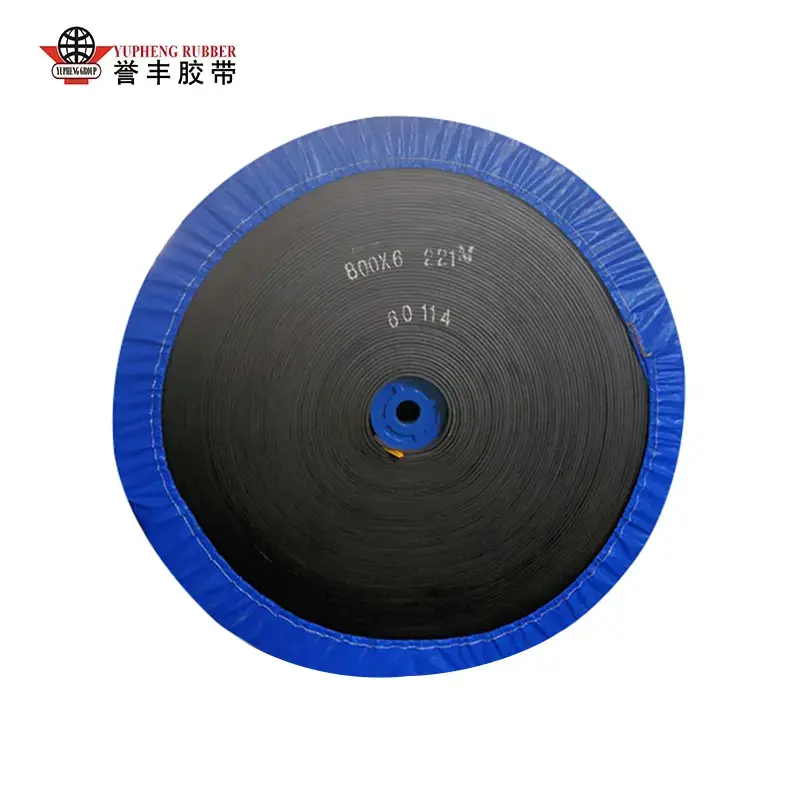
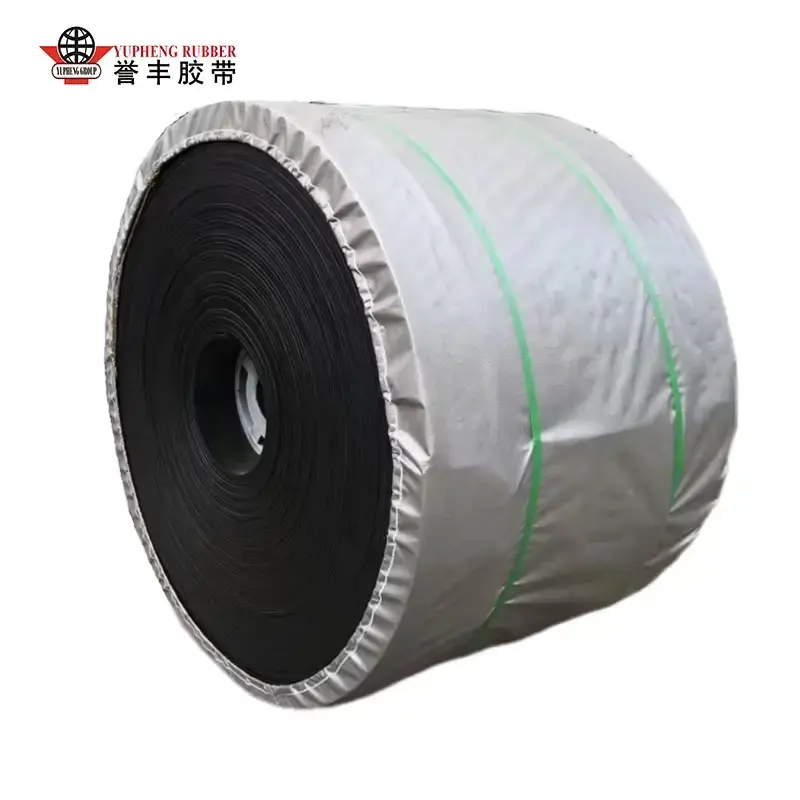
Heavy sidewall belts from approximately 1200–2000 mm wide can be secured with reinforced steel strapping and wooden pallets for container shipment.
Cut Belt Sections
Short customized sections are separately protected with foam or other cushioning materials to reduce cleat and sidewall collision during transportation.
Storage Requirements
Store the belts horizontally in a dry warehouse and avoid prolonged exposure to direct sunlight, chemical solvents and other conditions that may accelerate rubber aging.
How to Request a Sidewall Conveyor Belt Quotation
- Base carcass: EP or steel cord
- Belt width
- Sidewall height
- Cleat type and height
- Maximum conveying angle
- Material type and lump size
- Material temperature and working medium
- Conveying distance and lifting height
- Required quantity
- Destination port
YUFENG technical engineers can use these parameters to determine the appropriate carcass grade, sidewall configuration and cleat structure for the conveying system.
YUFENG Global Contact Information
Direct Factory Contact
Email: jayce@yuphengbelt.com
WhatsApp / WeChat / Mobile: +86 15318787602
Factory Address: Xiagou Village, ETDZ, Qingdao, Shandong, China
- View as
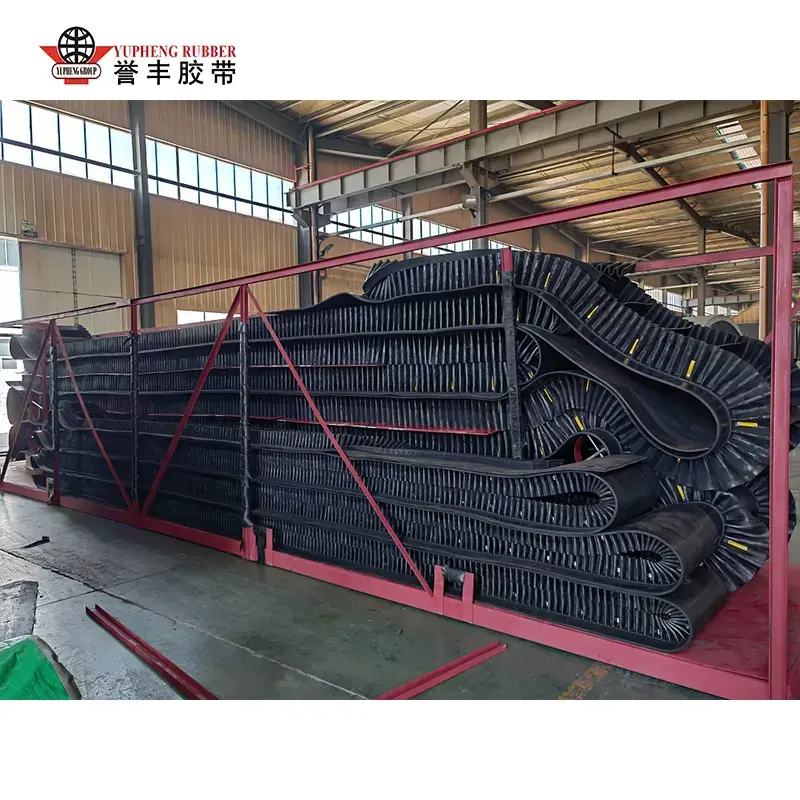
Steep Incline Conveyor Belt
YUFENG Steep Incline Conveyor Belt is a high-friction rubber conveying solution designed for large-angle bulk material transportation in mining, cement, grain processing and chemical industries. Compared with ordinary flat conveyor belts that suffer from material rollback and spillage when the inclination exceeds 25°, YUFENG improves conveying stability through a high-friction anti-slip rubber surface and flexible anti-spill structure.
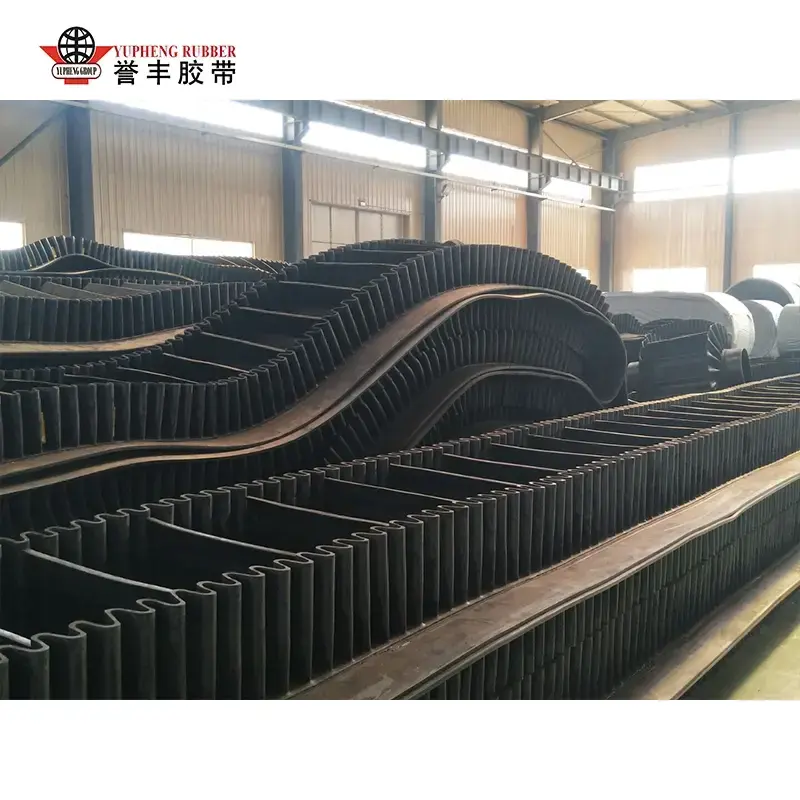
Sidewall Cleated Conveyor Belt
YUFENG Sidewall Cleated Conveyor Belt is an integrated rubber conveying solution designed for steep-angle and vertical bulk material transportation from 0° to 90°. Unlike traditional flat conveyor belts that rely only on friction and separate bonded sidewall belts that often suffer from sidewall peeling, YUFENG combines corrugated sidewalls, transverse cleats and base rubber into one seamless structure through integrated vulcanization technology.
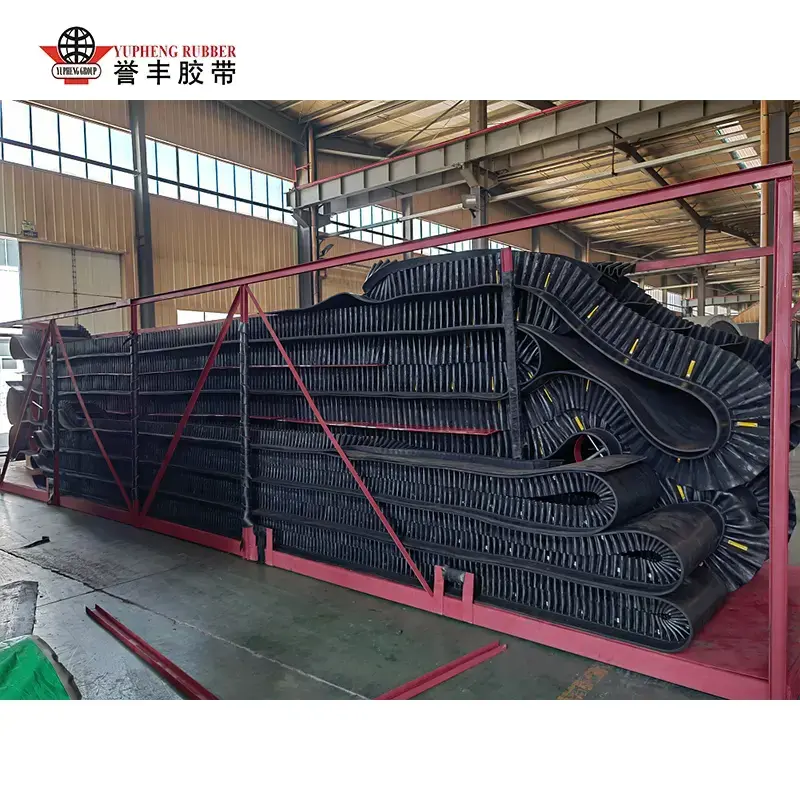
Cleated Conveyor Belt
YUFENG Cleated Conveyor Belt is a specially designed rubber conveying solution for inclined transportation of cartons, food materials, plastic parts and small bulk materials. Compared with traditional flat conveyor belts that rely only on surface friction, this belt uses an integrated cleat structure to create independent carrying sections, effectively preventing material sliding, rolling and falling during inclined conveying.
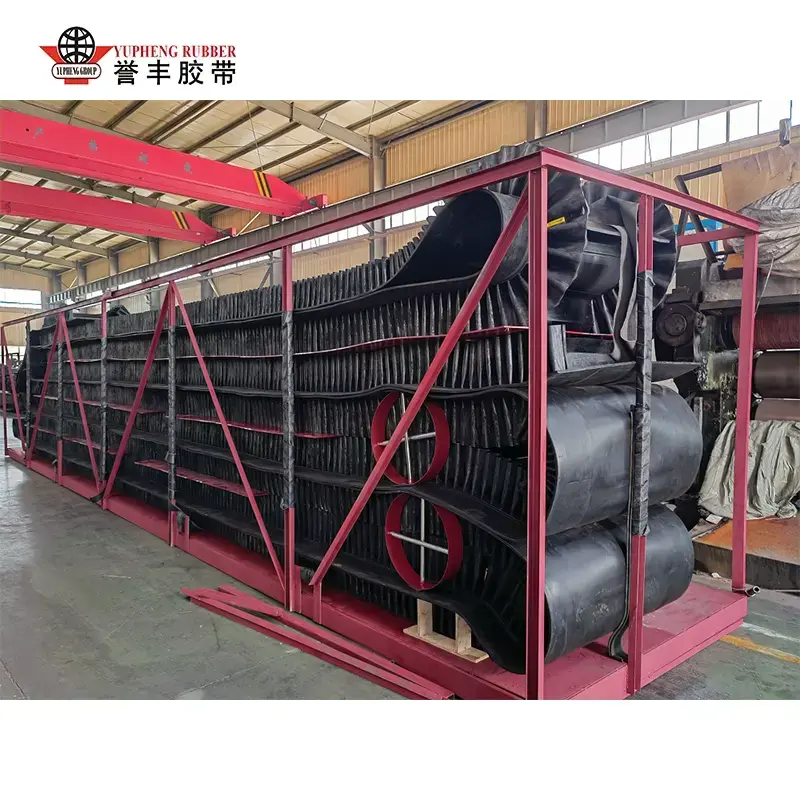
Corrugated Sidewall Conveyor Belt
As a professional Corrugated Sidewall Conveyor Belt manufacturer and factory, YUFENG provides integrated sidewall rubber conveyor solutions for steep-angle and vertical material transportation. The product is designed to solve material sliding, rolling, and spillage problems commonly found in traditional flat conveyor belts during high-angle conveying.
YUFENG is a professional Cleated and Sidewall Conveyor Belt manufacturer and supplier in China. We have an experienced sales team, professional technicians, and an after-sales service team.
News Recommendations