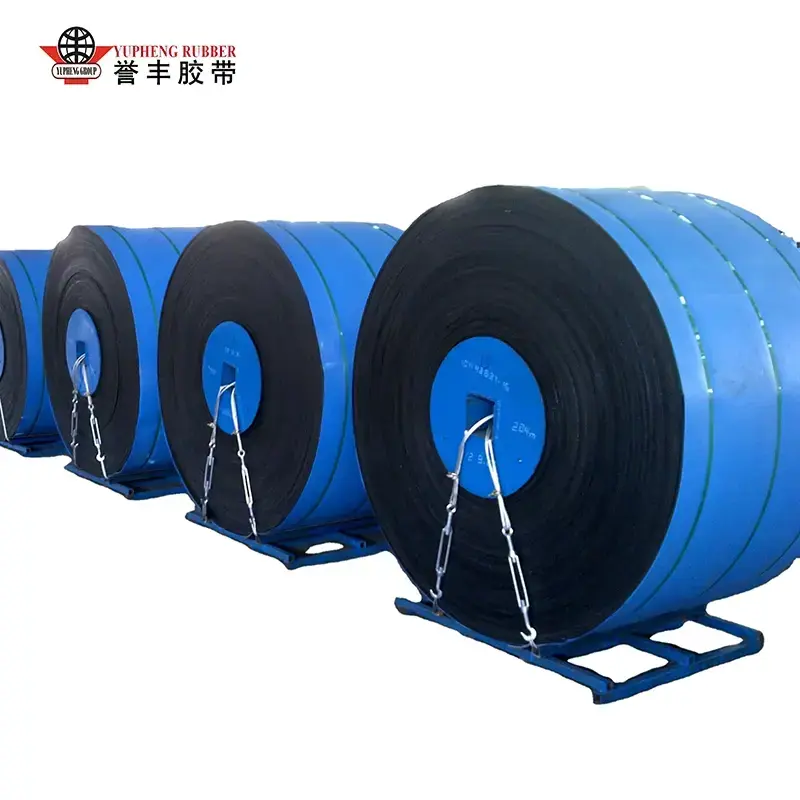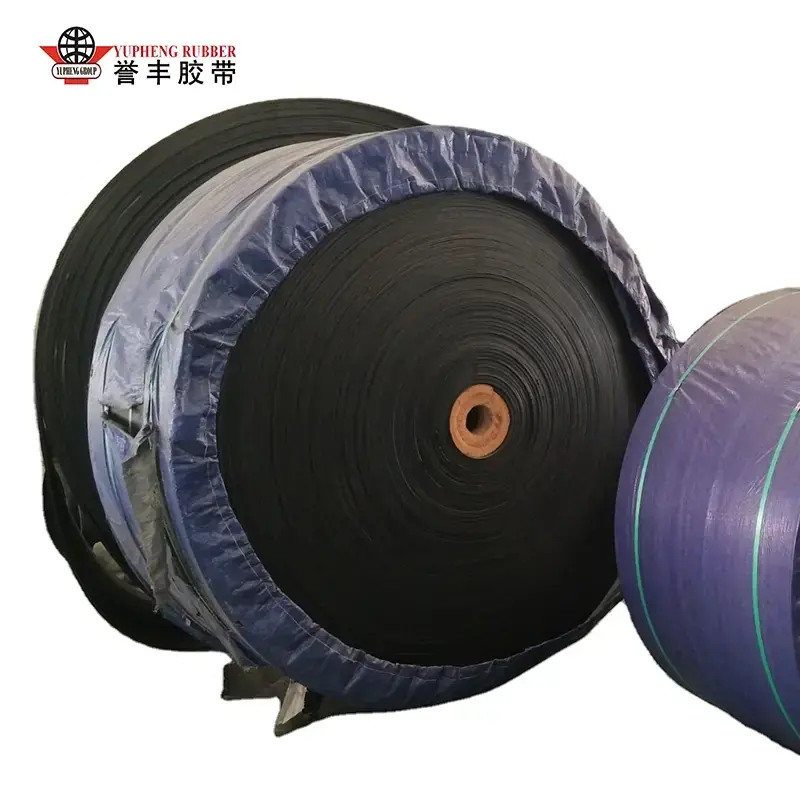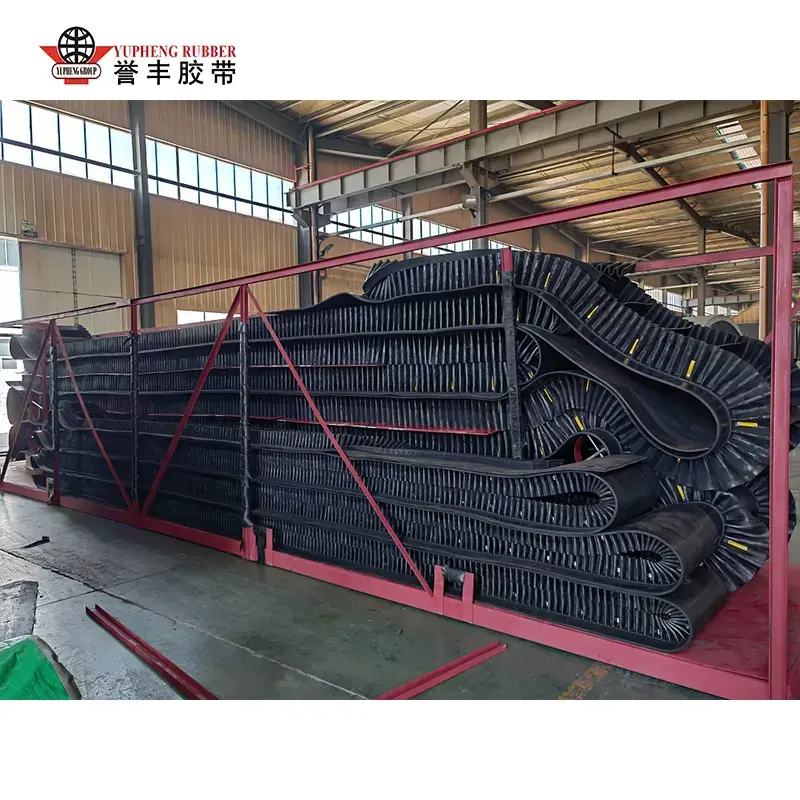
I. Ultra-high tensile strength, suitable for long-distance, high-capacity transport
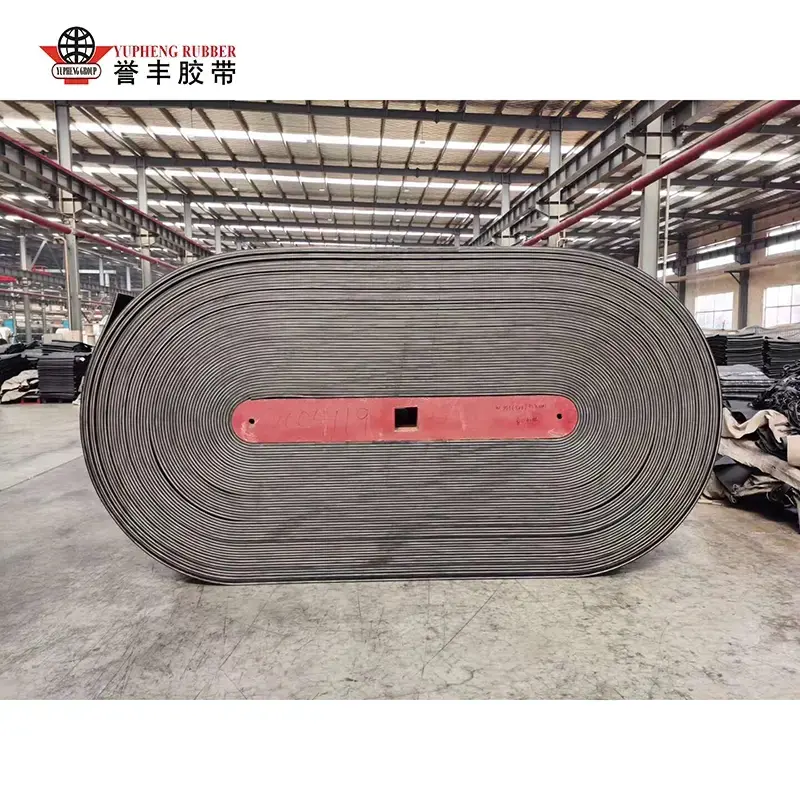
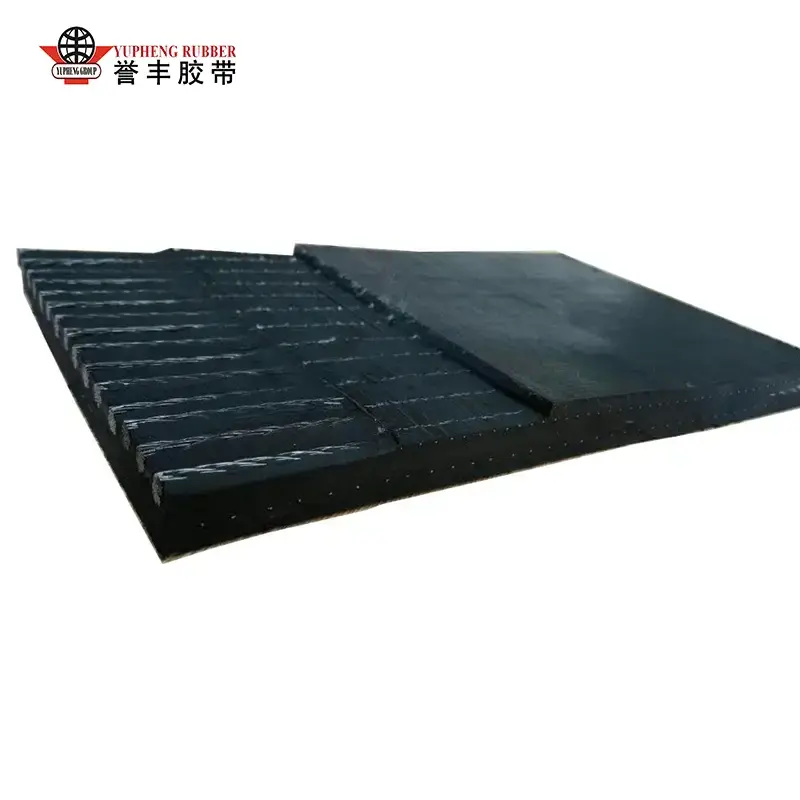
The reinforcement consists of high-strength, heavily galvanized steel cords; longitudinal tensile strength far exceeds that of EP/NN fabric belts, with strength ratings ranging from ST630 to ST7500.
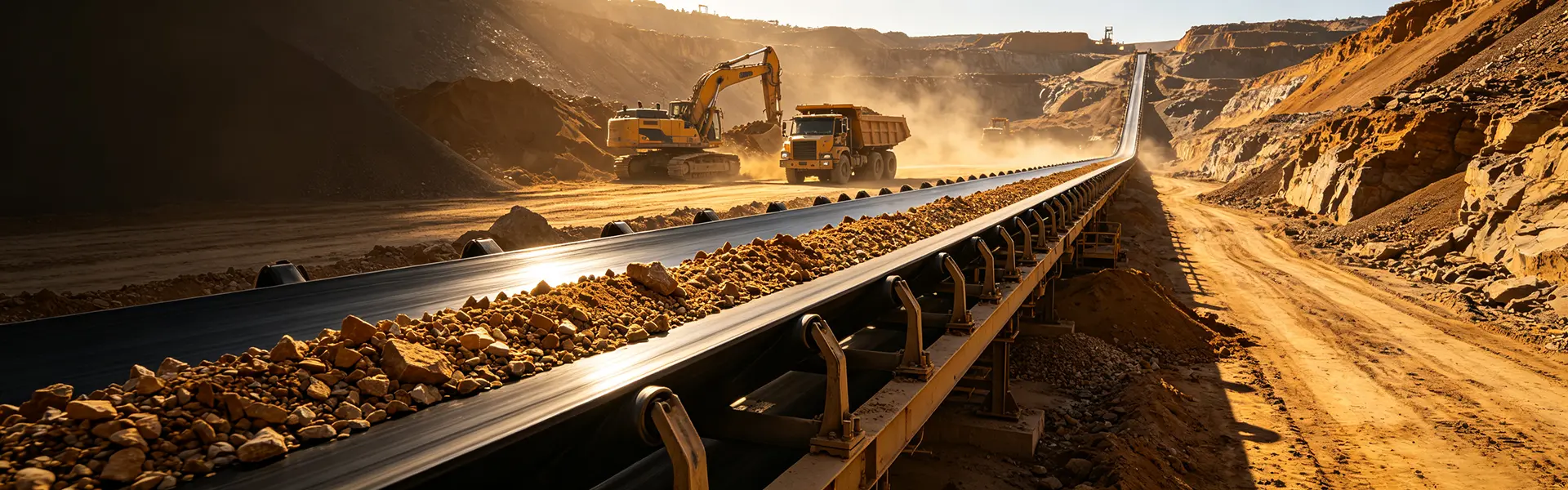
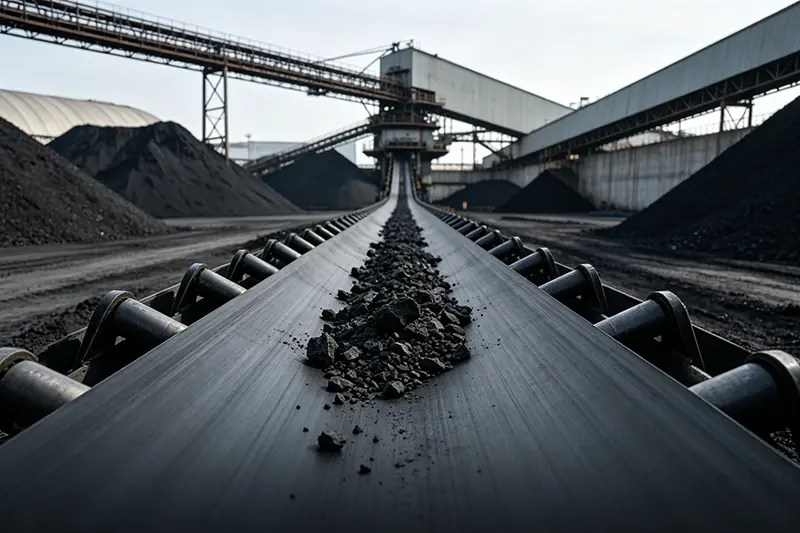
Enables single-flight transport over several kilometers without intermediate transfer points; the preferred choice for long-distance transport in underground and open-pit mines, significantly reducing equipment investment and maintenance costs for transfer stations.
II. Extremely low elongation; stable operation with minimal slippage
Steel cords exhibit minimal elastic elongation (breaking elongation is only around 0.3%), showing virtually no stretching compared to fabric belts:
Eliminates the need for frequent belt shortening or tensioning stroke adjustments.
Ensures stable loading on pulleys and drive stations, reducing wear on motors, gearboxes, and pulleys.
Resists mistracking and slippage under high-speed, heavy-load conditions, ensuring smoother conveyance.
III. Excellent impact and tear resistance
Features transverse steel wire mesh reinforcement; resistant to longitudinal tearing caused by impacts from large ore chunks or falling material.
High overall rigidity; the combination of thick cover rubber and a steel cord skeleton prevents penetration by heavy falling objects and inhibits rapid propagation of tears if penetration does occur.
Ideal for applications involving heavy falling materials, such as large lumps of raw coal, ore, or slag.
IV. Good troughability, high load capacity, and superior conveying efficiency
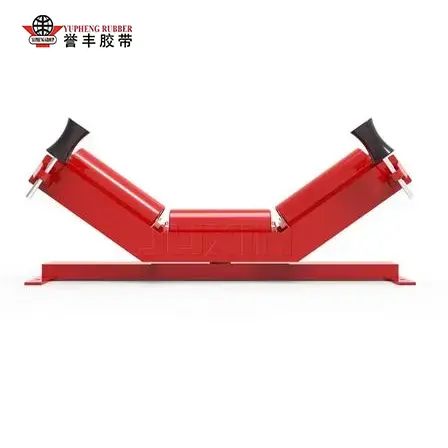
Uniform steel cord arrangement and balanced belt stiffness allow for easy formation of deep troughs on three-roll idler sets:
Offers greater loading volume for a given belt width, resulting in hourly throughput significantly higher than that of fabric belts.
Minimizes material spillage, thereby reducing on-site dust generation and material loss.
V. Long service life and lower overall operating costs
The structure bonds only steel cords with rubber, eliminating the risk of delamination associated with multi-layer fabric belts; it offers high bond strength and is resistant to separation or blistering;
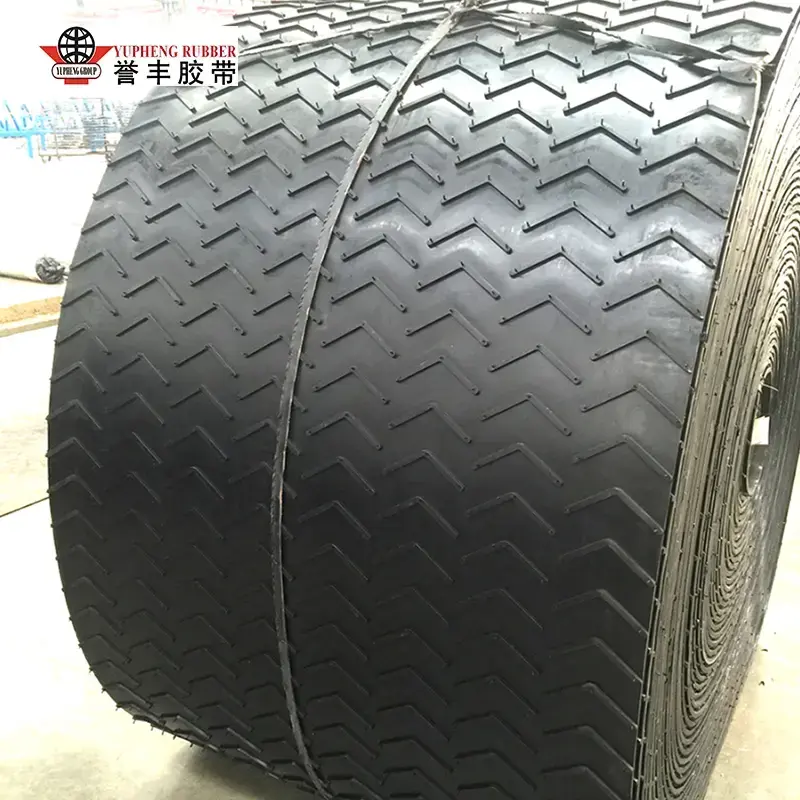
Wear-resistant cover rubber paired with a rigid carcass ensures durability against abrasion and crushing; the service life under identical operating conditions is 2–4 times that of standard canvas belts;
Reduced replacement frequency and less downtime for maintenance lead to higher returns from continuous mining operations.
VI. Suitable for steep inclines, heavy loads, and harsh operating conditions
High load-bearing capacity; capable of handling heavy, high-density, and large-sized materials;
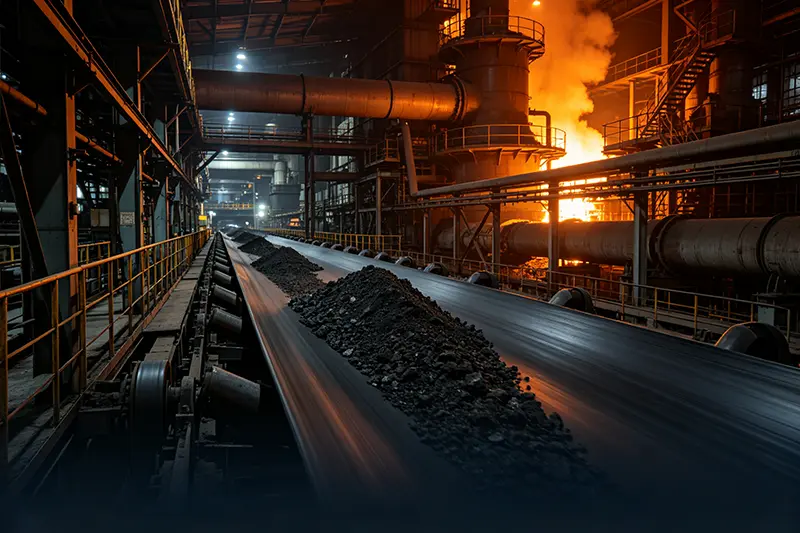
Customizable with specialized rubber compounds—such as flame-retardant, heat-resistant, acid/alkali-resistant, and cold-resistant varieties—to suit harsh environments like underground coal mines, high-temperature clinker handling, and aggregate transport;
Excellent transverse rigidity prevents belt collapse under heavy loads and minimizes deformation during long-distance downhill conveying.
VII. Stable splices with minimal tensile strength loss
Utilizes specialized vulcanized splices for steel cord belts, achieving splice strengths exceeding 90% of the belt's rated tensile strength;
Unlike fabric-layered belts—where splices are prone to progressive layer separation—steel cord splices offer superior structural integrity, significantly reducing the risk of breakage during long-distance, heavy-load operations.