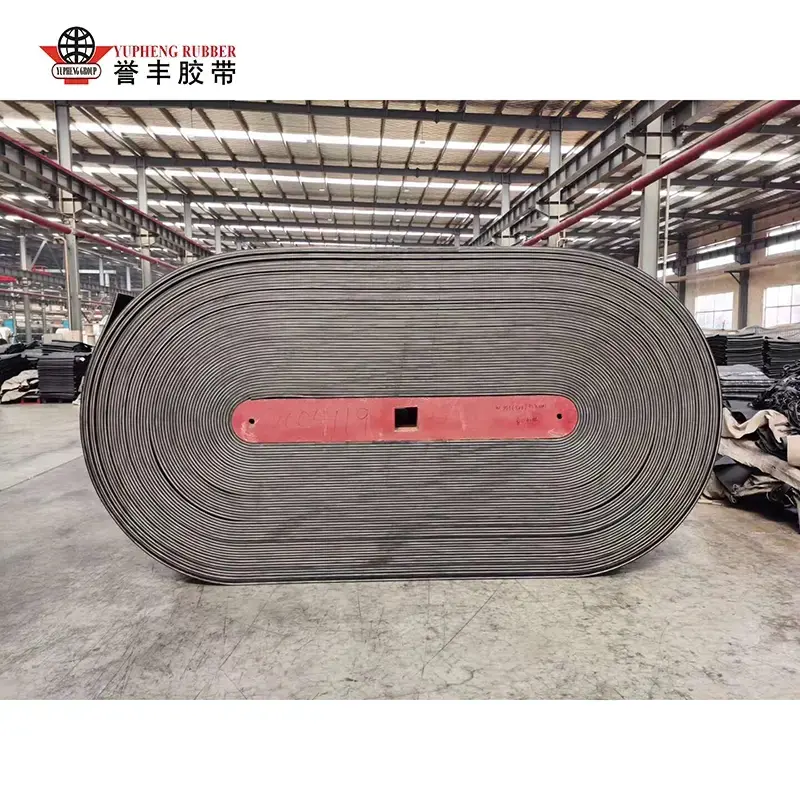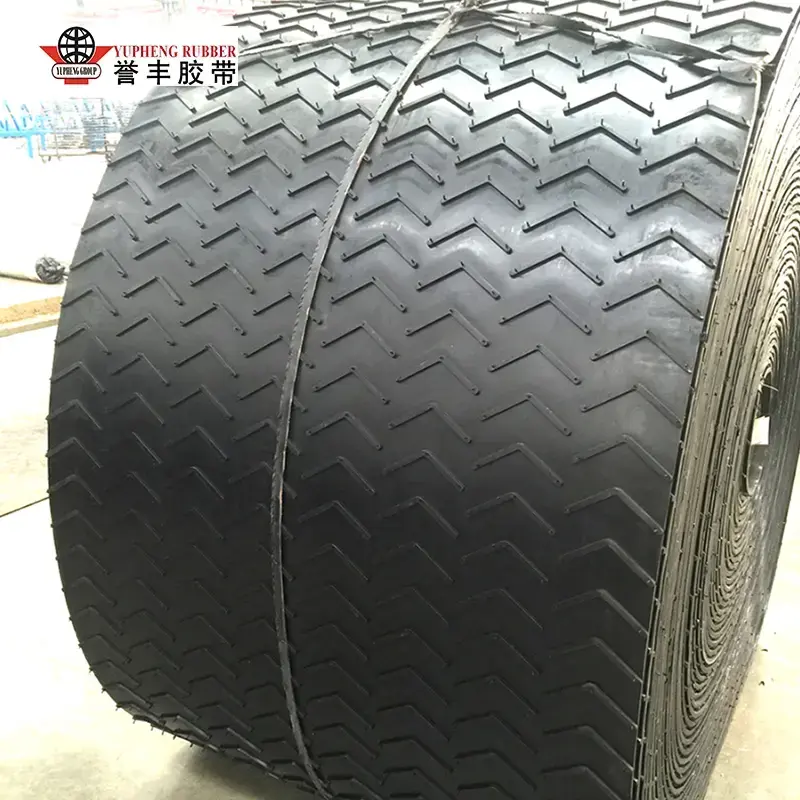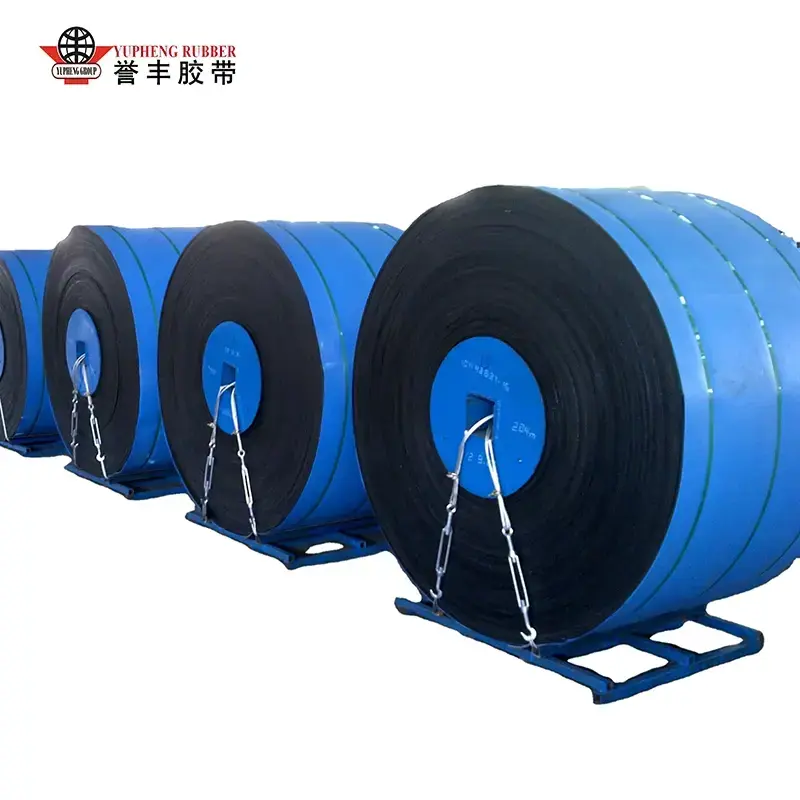

This guide explains how steel cord conveyor belts work, where they are used, which specifications matter most, and how industrial buyers can make informed purchasing decisions that support long-term operational reliability.
A general steel cord conveyor belt uses longitudinal steel cords embedded in rubber to provide high tensile strength and low elongation for demanding bulk material handling. Its suitability depends on the conveyor's operating tension, belt dimensions, material characteristics, environmental conditions, and joining method. Correct specification, professional installation, and preventive maintenance help reduce unplanned downtime and improve service life.
Article Outline
- What Is a General Steel Cord Conveyor Belt?
- Main Components and Construction
- Key Benefits for Industrial Operations
- Common Industrial Applications
- How to Select the Right Belt
- Steel Cord vs. Fabric Conveyor Belts
- Maintenance and Troubleshooting
- Understanding Total Ownership Cost
- How to Evaluate a Belt Supplier
- Frequently Asked Questions
- Conclusion and Contact Information
1. What Is a General Steel Cord Conveyor Belt?
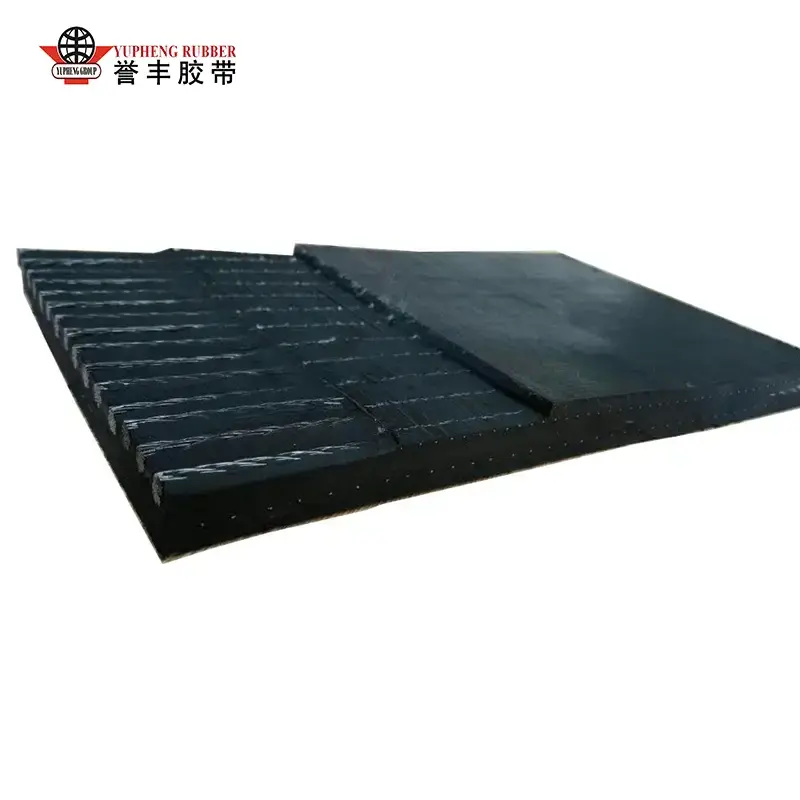
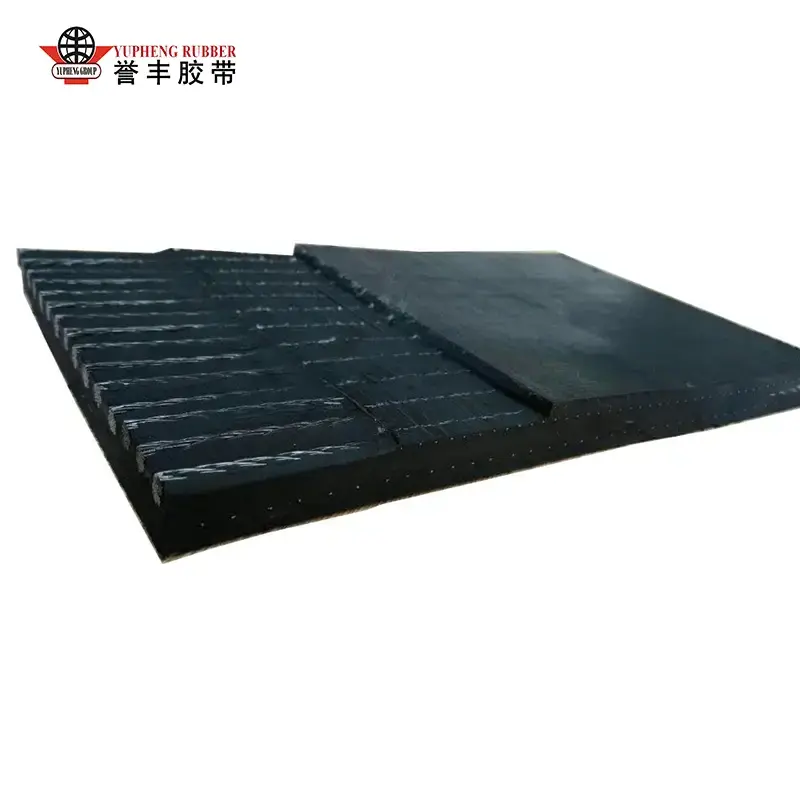
A general steel cord conveyor belt is a rubber conveyor belt reinforced with high-strength steel cords arranged longitudinally through its carcass. These cords carry the primary tensile load, while the surrounding rubber protects the reinforcement and helps transfer forces throughout the belt structure.
Unlike fabric-reinforced conveyor belts, which rely on textile layers for tensile strength, steel cord belts use steel cables to support demanding operating conditions. This construction is particularly useful when a conveyor must transport heavy materials over long distances or operate under high belt tension.
The term "general" typically refers to a belt intended for ordinary industrial conveying duties rather than a specialized application with exceptional requirements. Nevertheless, the exact meaning depends on the manufacturer's product classification and the specifications agreed upon for the project.
How Does the Belt Work?
When a conveyor drive applies force, the steel cords transmit longitudinal tension along the belt. The rubber covers contact the conveyed material, pulleys, and supporting components. As the belt circulates, its reinforcement maintains the load-bearing structure while the rubber protects it against wear and environmental exposure.
The complete conveyor system must be engineered as a unit. A high-strength belt cannot compensate for inadequate pulley sizing, incorrect tension, poor loading arrangements, or a badly constructed splice.
2. Main Components and Construction
Understanding the belt's construction helps buyers identify the specifications that affect durability, operating stability, and maintenance requirements.
2.1 Steel Cord Reinforcement
The longitudinal steel cords provide the belt's main tensile strength and help limit elongation under load. Their construction, diameter, spacing, and bonding characteristics must be appropriate for the required belt rating and operating conditions.
For high-tension systems, cord integrity is especially important. Damage or corrosion within the reinforcement can reduce the belt's structural reliability even when the outer rubber appears relatively intact.
2.2 Core and Bonding Rubber
Rubber surrounding the steel cords helps maintain their position, transfers stress, and protects the reinforcement against moisture and corrosive exposure. Reliable adhesion between steel and rubber is essential because separation can allow deterioration to progress inside the belt.
2.3 Top Cover Rubber
The top cover faces the transported material and is exposed to abrasion, cutting, impact, and other operating stresses. Its compound and thickness should reflect the material's size, shape, temperature, and surface characteristics.
2.4 Bottom Cover Rubber
The bottom cover runs over pulleys and idlers. It must withstand repeated flexing and friction while protecting the internal reinforcement. Cover selection should account for the conveyor's pulley arrangement, operating speed, and loading conditions.
2.5 Belt Edges and Splices
Belt edges protect the carcass from external exposure, while the splice joins belt sections into a continuous loop. In steel cord systems, splice design and workmanship are particularly important because the joint must transfer substantial tensile loads without compromising the reinforcement.
| Component | Main Function | What Buyers Should Check |
|---|---|---|
| Steel cords | Carry longitudinal tensile loads | Strength rating, cord layout, and construction |
| Core rubber | Bond and protect the reinforcement | Adhesion and compatibility with the operating environment |
| Top cover | Resist material-related wear and damage | Thickness, abrasion resistance, and special compound requirements |
| Bottom cover | Protect the carcass during belt circulation | Wear resistance and suitability for the pulley system |
| Splice | Connect belt sections into a continuous loop | Joint design, installation procedure, and inspection requirements |
3. Key Benefits for Industrial Operations
3.1 High Tensile Strength for Heavy Loads
Steel cord reinforcement supports high-tension conveying applications that may exceed the practical capabilities of conventional textile belts. This makes it a valuable option for moving heavy bulk materials continuously through demanding industrial environments.
3.2 Low Elongation and Stable Operation
Steel cord belts generally exhibit lower longitudinal elongation than comparable fabric belts under similar operating conditions. Lower elongation can help reduce take-up travel requirements and simplify tension management, although the actual design must still account for elastic stretch, installation conditions, and operating loads.
3.3 Suitability for Long-Distance Conveying
Long conveyor routes can create substantial tension and maintenance challenges. A correctly specified steel cord belt can support long-distance transportation while reducing the need to compensate for excessive belt stretch.
3.4 Support for Continuous Material Handling
Mining, cement production, and port operations often depend on uninterrupted material flow. When the belt construction, cover compound, splice, and conveyor structure are properly matched, a steel cord system can contribute to dependable operation and predictable maintenance planning.
3.5 Potential for Lower Lifecycle Costs
The initial purchase price is only one part of a conveyor belt's cost. Reduced replacement frequency, lower downtime exposure, and efficient maintenance can make an appropriately selected steel cord belt economically attractive over its operating life.
These benefits are not automatic. Actual results depend on belt quality, conveyor design, installation accuracy, material handling conditions, and maintenance discipline.
4. Common Industrial Applications
General steel cord conveyor belts are commonly considered for industrial systems requiring high tensile capacity, controlled elongation, and reliable transportation of bulk materials.
Mining and Mineral Processing
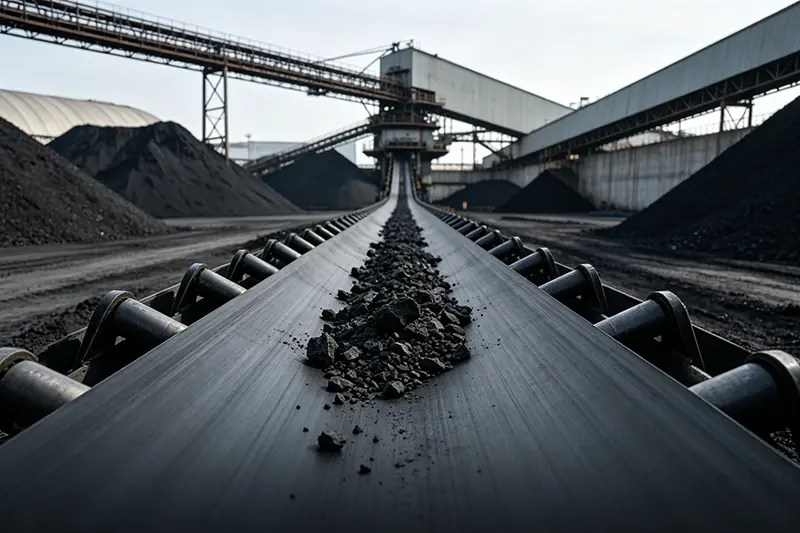
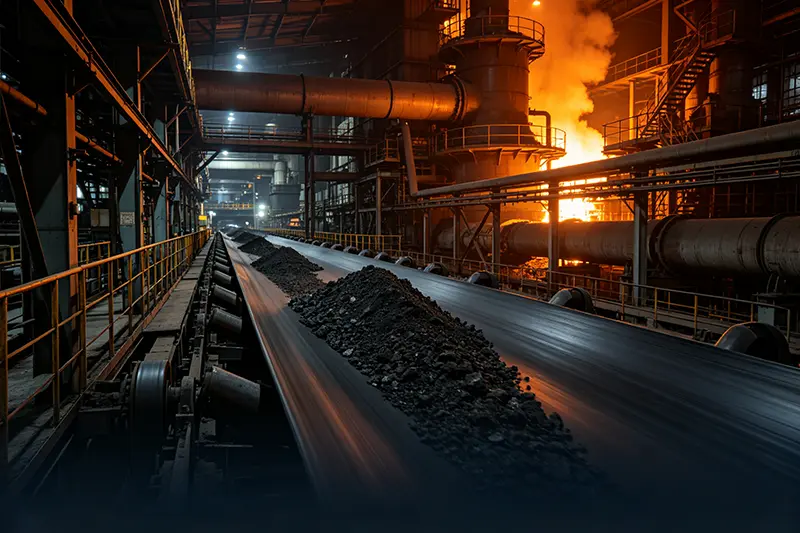
Mining operations use conveyor belts to transport coal, iron ore, copper ore, crushed rock, and other extracted materials. Steel cord construction can be suitable for long haulage routes and high-load applications, where belt tension and operational continuity are major considerations.
Cement and Building Materials
Cement plants and aggregate facilities handle limestone, clinker, sand, gravel, and related materials. Belt selection should account for abrasion, particle size, loading impact, and material temperature. Where hot materials are involved, a suitably rated heat-resistant cover may be required rather than a standard general-purpose compound.
Ports and Bulk Terminals
Ports use conveyor systems to move bulk cargo between storage areas, processing equipment, and ship-loading or unloading facilities. Long operating hours and large material volumes make belt reliability important for maintaining throughput and reducing operational interruptions.
Power Generation and Heavy Industry
Power stations, steelworks, and other industrial plants use conveyor systems to transport fuel, raw materials, and production-related bulk products. Depending on the duty, buyers may need to consider fire resistance, heat resistance, or other application-specific properties.
Match the Belt to the Working Environment
- Abrasive materials: Prioritize a suitable abrasion-resistant cover compound.
- Large or sharp lumps: Assess impact energy, cut resistance, loading height, and transfer-point design.
- Hot materials: Verify continuous and peak temperature requirements against the selected compound.
- Wet or corrosive environments: Evaluate edge protection, cover integrity, cord bonding, and corrosion exposure.
- Underground or hazardous installations: Confirm the applicable fire-safety, antistatic, and regulatory requirements.
5. How to Select the Right General Steel Cord Conveyor Belt
Choosing the correct belt begins with understanding the conveyor system rather than selecting a product based on price or a single strength rating. The following factors help buyers prepare a clear technical specification.
5.1 Determine the Required Tensile Rating
Steel cord belts are often classified using ST ratings, which express nominal belt tensile strength in N/mm. The required rating depends on the calculated maximum operating tension, conveyor geometry, starting and stopping conditions, safety factors, and the relevant design standard.
Do not assume that a higher rating automatically provides better value. An unnecessarily high rating may increase costs and could introduce design considerations involving belt stiffness, pulley diameter, and installation requirements.
5.2 Confirm Belt Width and Length
Belt width must suit the required throughput, material lump size, loading arrangement, and conveyor structure. Belt length should be determined from the actual conveyor layout, including the take-up arrangement and the requirements for the splice.
5.3 Choose the Appropriate Cover Grade
Cover selection should reflect the actual material and operating environment. General-purpose abrasion resistance may be sufficient for some applications, while others require specialized compounds to manage heat, oil, chemicals, flame-related risks, or exceptional impact.
5.4 Check Pulley Diameters and Conveyor Geometry
Pulley diameter, belt tension, transition distance, troughing arrangement, and idler configuration influence how the belt bends and runs. These factors should be checked against the manufacturer's technical recommendations and the approved conveyor design.
5.5 Plan the Splicing Method
Steel cord conveyor belts typically require properly engineered vulcanized splices. The splice design, materials, cord preparation, curing conditions, and technician competence all influence joint performance. Confirm the installation procedure before ordering the belt, particularly for remote sites where specialist equipment may be difficult to obtain.
5.6 Consider Environmental and Safety Requirements
Temperature variation, moisture, dust, chemical exposure, outdoor weather, and site-specific safety rules can affect product selection. If a project requires compliance with a particular standard, identify the applicable edition and acceptance criteria in the procurement specification.
5.7 Prepare a Complete Purchasing Checklist
- Conveyor length, elevation, speed, and operating schedule.
- Required throughput and maximum material lump size.
- Required belt tensile rating and width.
- Top and bottom cover thicknesses and compound grades.
- Material temperature, moisture, abrasiveness, and chemical exposure.
- Pulley diameters, take-up arrangement, and loading conditions.
- Splice design, installation location, and available maintenance resources.
- Required testing, inspection documentation, and applicable standards.
- Order quantity, delivery destination, lead time, and spare-belt requirements.
Providing this information helps a manufacturer assess technical compatibility and prepare a more accurate quotation.
6. Steel Cord vs. Fabric Conveyor Belts
Steel cord and fabric conveyor belts both serve important industrial purposes. The appropriate choice depends on the load, conveyor length, mechanical design, environmental conditions, and total ownership cost.
| Comparison Factor | Steel Cord Conveyor Belt | Fabric Conveyor Belt |
|---|---|---|
| Reinforcement | Longitudinal steel cords | Textile reinforcement layers |
| Tensile capacity | Well suited to high-tension applications | Suitable across a broad range of light- to heavy-duty applications |
| Elongation | Generally low under operating tension | Depends on fabric construction and belt design; generally higher |
| Long-distance conveying | Often preferred for long, high-tension routes | Suitable when the required rating and elongation are manageable |
| Splicing | Typically requires specialized vulcanized splicing | Splicing options depend on construction and application |
| Initial cost | Can be higher, depending on specification | Can be more economical for less demanding duties |
| Typical decision factor | High tension, long routes, and low elongation requirements | Application flexibility and appropriate performance at a competitive cost |
For a short conveyor with moderate loads, a fabric belt may be the more economical solution. For a long-distance, high-tension conveyor, steel cord construction may offer advantages that justify the additional purchase and installation costs. Engineering calculations should determine the final choice.
7. Maintenance and Troubleshooting
Even a well-manufactured belt can fail prematurely if the conveyor is misaligned, material builds up around the pulleys, or damage goes unnoticed. A documented preventive maintenance program helps identify developing problems before they cause major disruption.
7.1 Inspect the Belt Regularly
Inspect the top and bottom covers, edges, loading points, discharge areas, and accessible splice sections. Look for cuts, abnormal wear, exposed reinforcement, cover separation, unusual deformation, and signs of material contamination.
7.2 Monitor Belt Tracking
Persistent mistracking can damage belt edges and cause material spillage. Check pulley alignment, idler condition, loading distribution, and material buildup. Avoid correcting the problem through arbitrary adjustments without identifying the underlying cause.
7.3 Protect Loading and Transfer Points
Large lumps falling from excessive heights can damage covers and potentially affect the internal cords. Proper chute geometry, impact beds, correctly adjusted skirt boards, and controlled material flow help reduce concentrated impact and prevent material from becoming trapped against the belt.
7.4 Maintain Splices Carefully
Splices deserve particular attention because defects in the joint can develop into serious failures under repeated tension and bending. Inspect for edge separation, cracking, unusual bulges, and visible damage. If a defect is suspected, arrange a competent technical assessment before returning the belt to demanding service.
7.5 Use Suitable Inspection Technology
Visual inspections cannot reveal every internal defect. For critical steel cord installations, appropriate nondestructive inspection methods, including electromagnetic cord inspection where suitable, can help identify internal wire damage or corrosion that may not be visible at the surface.
7.6 Address Common Problems Early
| Observed Problem | Possible Causes | Recommended Response |
|---|---|---|
| Uneven edge wear | Mistracking, structural misalignment, or uneven loading | Inspect alignment, idlers, loading conditions, and belt tracking |
| Rapid cover wear | Incorrect cover grade, excessive abrasion, or poor transfer-point design | Review the material properties and cover specification |
| Splice separation | Bonding defects, incorrect curing, or excessive operating stress | Stop and assess the belt according to site safety procedures |
| Suspected cord damage | Impact, penetration, corrosion, or fatigue | Arrange qualified inspection and suitable nondestructive testing |
| Material spillage | Poor loading alignment, inadequate skirting, or mistracking | Correct transfer-point and belt-running conditions |
Safety reminder: Inspection, cleaning, and repair work should follow the site's isolation and lockout procedures. Never reach into moving conveyor equipment or attempt a repair while the system is operating.
8. Understanding Total Ownership Cost
Comparing conveyor belts solely by purchase price can lead to higher costs over the equipment's service life. A more useful approach considers procurement, installation, operation, maintenance, and replacement together.
Key Cost Factors
- Purchase cost: Belt dimensions, tensile rating, cover compound, and customization requirements.
- Installation cost: Transport, handling equipment, labor, and specialist splicing resources.
- Maintenance cost: Routine inspections, repairs, monitoring, and replacement components.
- Downtime exposure: Lost production, delayed shipments, and disruption to connected processes.
- Replacement planning: Spare-belt availability, delivery lead times, and access to technical support.
For example, a belt with a higher initial price may offer better value if it matches the operating duty and reduces unplanned stoppages. Conversely, an expensive belt with an unsuitable cover compound or poorly executed splice may deliver disappointing results.
To compare quotations fairly, request consistent technical specifications and evaluate the proposed belt against the same operating conditions, inspection requirements, delivery terms, and expected maintenance needs.
9. How to Evaluate a Steel Cord Conveyor Belt Supplier
Choosing a supplier is not simply a purchasing exercise. The manufacturer's ability to understand the application, confirm technical details, maintain product consistency, and provide reliable documentation can influence the outcome of the entire conveyor project.
Review Technical Capability
Ask whether the supplier can evaluate the required tensile rating, belt dimensions, cover compound, pulley arrangement, and splice requirements. Technical recommendations should be consistent with the operating data you provide.
Request Relevant Quality Documentation
Depending on the project, documentation may include product specifications, test reports, material identification, inspection records, and declarations of conformity to agreed standards. Confirm which documents are available for the exact belt construction being quoted.
Check Manufacturing Consistency
Discuss quality-control procedures for steel cord placement, rubber bonding, cover dimensions, finished belt inspection, and product traceability. For critical projects, clarify acceptance criteria before production begins.
Confirm Delivery and After-Sales Support
Long-distance conveyor projects may require careful coordination of production schedules, shipping, installation, and commissioning. Ask about lead times, packaging, technical communication, spare-belt planning, and the availability of appropriate splicing guidance.
Work with a Clear Technical Specification
Before placing an order, ensure that both parties agree on the belt rating, width, length, cover thickness, cover grade, applicable standards, testing requirements, and delivery terms. A detailed specification reduces misunderstandings and makes supplier quotations easier to compare.
For industrial buyers, a dependable sourcing decision combines product suitability, transparent documentation, consistent manufacturing, and support that matches the project's real requirements.
10. Frequently Asked Questions
1. What is a General Steel Cord Conveyor Belt used for?
It is used to transport bulk materials in demanding applications where high tensile strength and low elongation are important. Typical industries include mining, cement production, ports, mineral processing, and heavy manufacturing.
2. What are the main advantages of a steel cord conveyor belt?
The main advantages include high tensile capacity, low longitudinal elongation, suitability for long-distance conveying, and the ability to support heavy-duty operation when correctly specified and installed.
3. How do I choose the correct steel cord belt rating?
Start with the conveyor's calculated operating tension, required safety factors, geometry, starting and stopping conditions, and applicable design standard. Have a qualified engineer or the manufacturer confirm the rating against the complete system specification.
4. Is a steel cord conveyor belt better than a fabric belt?
Not in every application. Steel cord belts are often advantageous for high-tension and long-distance systems, while fabric belts may be more economical and suitable for shorter or less demanding conveying duties. The best option depends on the engineering requirements.
5. Which rubber cover should I choose?
Select the cover according to abrasion, impact, temperature, oil or chemical exposure, and site-specific safety requirements. A general-purpose cover may be appropriate for ordinary conditions, but specialized environments may require a dedicated compound.
6. How are steel cord conveyor belts joined?
Steel cord belts are typically joined using engineered vulcanized splices. The cord arrangement, splice materials, surface preparation, curing parameters, and workmanship must follow the approved procedure for the specific belt construction.
7. How can I identify internal steel cord damage?
Some internal damage cannot be identified through visual inspection alone. Regular surface inspections should be supplemented by appropriate nondestructive inspection methods when required by the belt's criticality, operating environment, and maintenance plan.
8. How can I extend conveyor belt service life?
Use the correct belt and cover specification, maintain proper alignment and tension, control loading impact, prevent material buildup, inspect splices, repair damage promptly, and establish a documented preventive maintenance schedule.
9. What information should I provide when requesting a quotation?
Provide the required tensile rating, belt width and length, cover thickness and grade, material characteristics, operating temperature, conveyor layout, pulley diameters, required standards, order quantity, delivery destination, and any special installation requirements.
10. Can a steel cord conveyor belt be customized for a specific project?
Project-specific configurations may be available depending on the manufacturer's capabilities. Buyers should discuss required dimensions, tensile rating, rubber compounds, environmental conditions, technical documentation, and production feasibility before confirming an order.
11. Conclusion: Building a More Reliable Conveying System
A General Steel Cord Conveyor Belt can be an effective solution for heavy-duty material transportation when high tensile strength, low elongation, and dependable operation are essential. Its performance, however, depends on the complete system: reinforcement design, rubber cover selection, conveyor geometry, splice quality, installation practices, and preventive maintenance.
For procurement teams and project engineers, the most effective approach is to define the actual operating conditions first, compare products against a consistent technical specification, and evaluate the long-term cost of ownership rather than the purchase price alone.
Qingdao Zhongye Yufeng Tape Co.,Ltd. can be included in your supplier evaluation when sourcing steel cord conveyor belt solutions. Discuss your project requirements with the company to confirm product suitability, available specifications, quality documentation, and delivery arrangements.
Looking for a Suitable Steel Cord Conveyor Belt?
Every conveying project has its own operating challenges. Share your application details, required belt specifications, and delivery requirements to help identify a suitable solution for your industrial material handling system.
Contact Qingdao Zhongye Yufeng Tape Co.,Ltd. to discuss your steel cord conveyor belt requirements, request product information, and explore options for your next project.