English
- English
- Español
- Português
- русский
- Français
- 日本語
- Deutsch
- tiếng Việt
- Italiano
- Nederlands
- ภาษาไทย
- Polski
- 한국어
- Svenska
- magyar
- Malay
- বাংলা ভাষার
- Dansk
- Suomi
- हिन्दी
- Pilipino
- Türkçe
- Gaeilge
- العربية
- Indonesia
- Norsk
- تمل
- český
- ελληνικά
- український
- Javanese
- فارسی
- தமிழ்
- తెలుగు
- नेपाली
- Burmese
- български
- ລາວ
- Latine
- Қазақша
- Euskal
- Azərbaycan
- Slovenský jazyk
- Македонски
- Lietuvos
- Eesti Keel
- Română
- Slovenski
- मराठी
- Srpski језик
Factory Direct Rubber Conveyor Belt for Industrial Applications
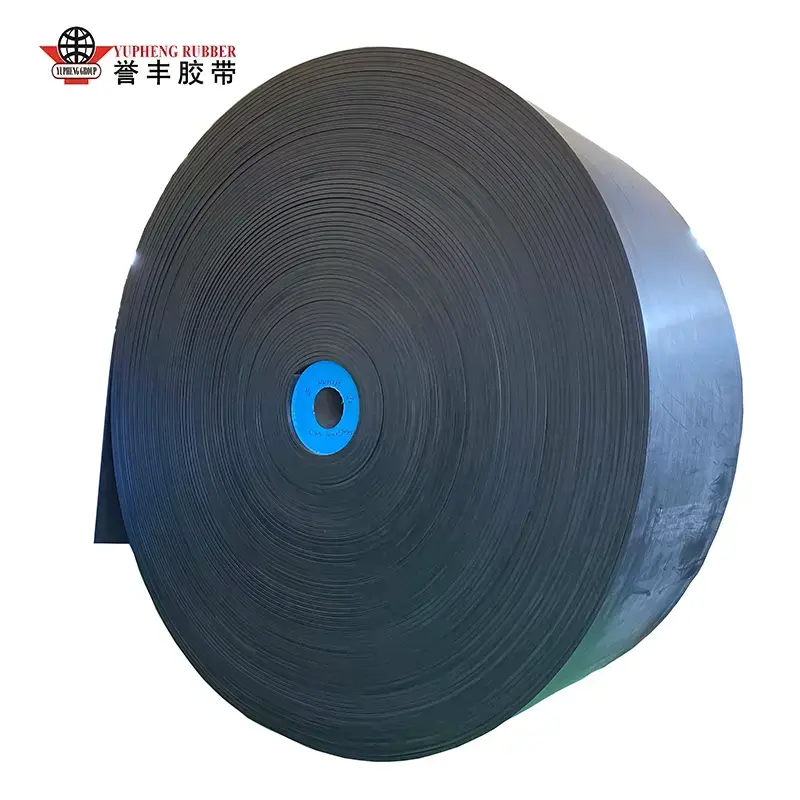
YUFENG Rubber Conveyor Belt is a full-range industrial conveying belt designed for continuous bulk material transportation in mining, cement, aggregate, ports, power plants, chemical processing and other industrial applications. The belt uses a reinforced carcass combined with a vulcanized rubber cover to provide the tensile strength, flexibility and wear resistance required for different conveying conditions.
YUFENG manufactures fabric and steel cord conveyor belts with virgin rubber and high-strength reinforcing materials. The product range covers EP and NN fabric belts, steel cord belts, wear-resistant, flame-retardant, heat-resistant, oil-resistant, acid-alkali-resistant, low-temperature-resistant and anti-tear constructions. Belt width, cover thickness, carcass grade and surface structure can also be configured according to conveyor design and operating conditions.
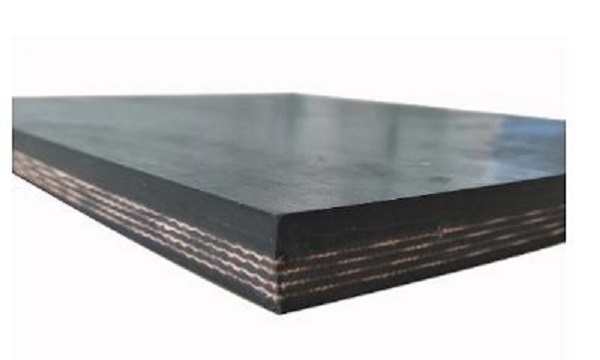
Conveyor Belt Types for Different Conveying Conditions
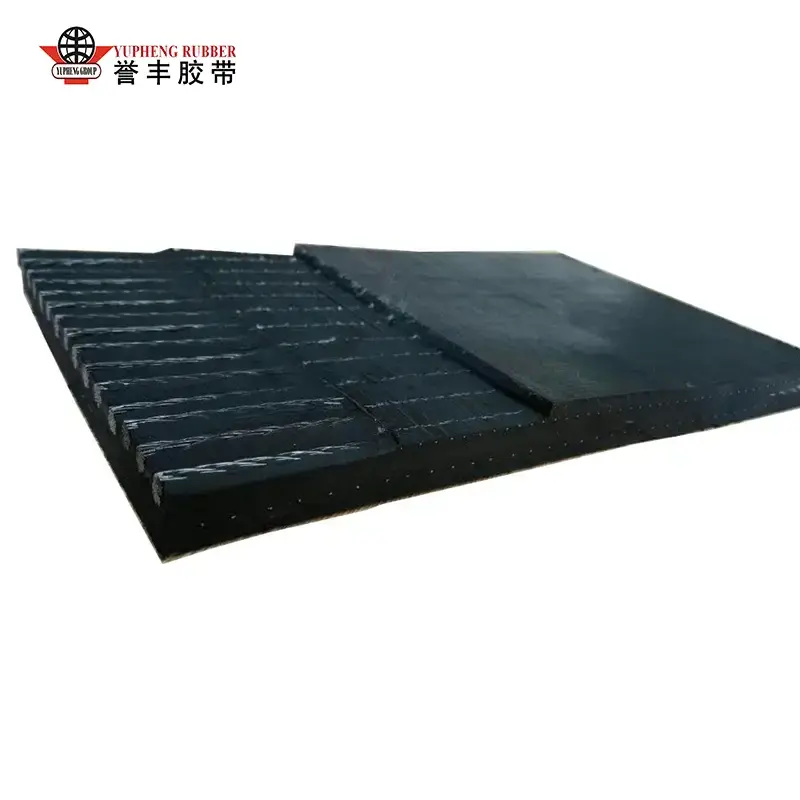
The main difference between industrial rubber conveyor belt is the reinforcing carcass inside the belt. Carcass selection directly affects tensile strength, elongation, bending performance and the suitable conveying distance. YUFENG provides both fabric-reinforced and steel-cord constructions for different material loads and conveyor layouts.
| Belt Carcass Type | Core Characteristic | Applicable Working Condition |
|---|---|---|
| EP/NN Fabric Rubber Belt | Low elongation, good flexibility and easy bending around small pulleys | Medium and short-distance light or medium-load bulk conveying, generally within 3 km |
| Steel Cord Rubber Belt | Ultra-low elongation ≤0.25% and high tensile strength for heavy loads | Long-distance conveying over 3 km, large-tonnage mining and port transportation |
EP fabric conveyor belts are commonly selected for cement, grain, aggregate and general industrial conveying. Steel cord conveyor belts are intended for high-capacity and long-distance systems where high tensile strength and low elongation are important for conveyor operation.
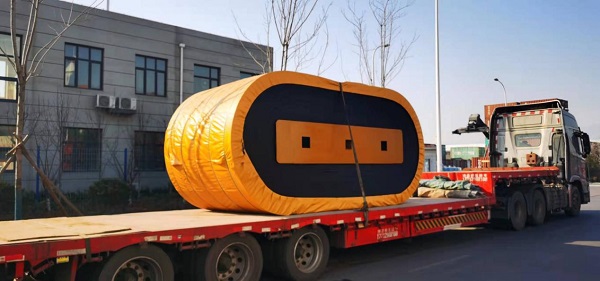
Full Range of Rubber Conveyor Belt Specifications
YUFENG supplies conveyor belts in different carcass grades and dimensions to match existing conveyor structures and conveying capacity. Fabric grades include EP100–EP1000 and NN100–NN800, while steel cord grades cover ST630–ST6300. Standard belt widths range from 300 mm to 2600 mm, with top cover rubber from 1.5–12 mm and bottom cover rubber from 1–8 mm.
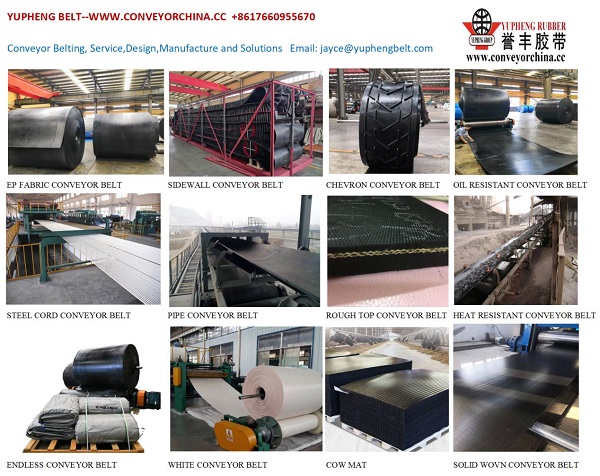
The belts can be supplied with smooth surfaces, rough-top surfaces, chevron patterns, corrugated sidewalls or tubular pipe structures. This allows the belt construction to be selected according to material characteristics, conveying angle and installation layout.
Functional
Different materials and working environments require different rubber cover compounds. YUFENG provides specialized belt constructions for temperature, fire, oil, chemical, cold-weather and impact-related conditions.
General Wear Resistant Conveyor Belt
Designed for conventional bulk material transportation, this belt uses a wear-resistant rubber cover for applications such as coal, sand, limestone and aggregates. The standard working temperature range is -20°C to +60°C.
Flame Retardant Anti-Static Rubber Belt
This construction is designed for underground coal mine conveying and uses flame-retardant and anti-static rubber characteristics. Applicable models can comply with MT/T668 requirements for coal mine conveyor belt applications.
High Temperature Resistant Conveyor Belt
Using an EPDM-based heat-resistant rubber compound, this belt is designed for conveying hot materials such as cement clinker and steel plant slag. Depending on the belt construction and operating conditions, it can handle material temperatures up to approximately 180°C.
Oil and Acid-Alkali Resistant Rubber Belt
The belt uses a chemical-resistant rubber cover designed to reduce swelling, cracking and deterioration when exposed to mineral oils or selected chemical media. It is suitable for chemical processing and oil-related material conveying applications.
Low Temperature Resistant Conveyor Belt
The cold-resistant rubber compound maintains flexibility in low-temperature environments and is designed for outdoor conveying applications in cold regions. Selected constructions can operate at temperatures down to approximately -40°C.
Anti-Tear Reinforced Rubber Belt
A transverse steel wire mesh breaker layer can be incorporated into the belt to restrict the propagation of longitudinal cuts. This construction is particularly suitable for crusher discharge areas, high-impact loading points and applications handling large or sharp bulk materials.
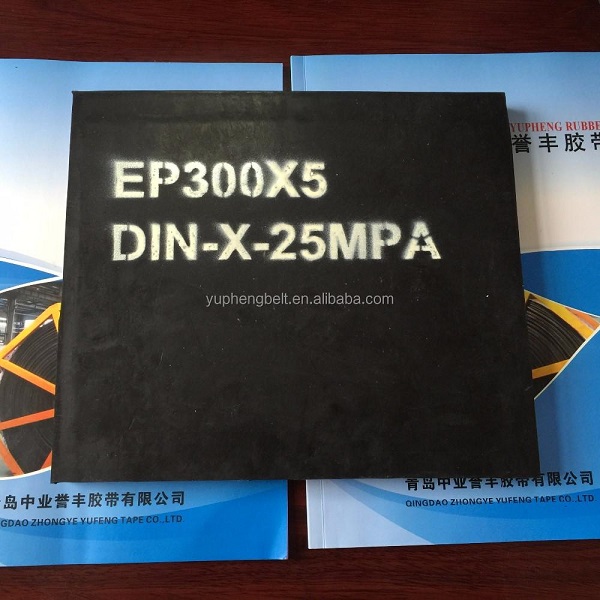
Carcass, Surface and Cover Configuration
YUFENG conveyor belts can be configured according to the conveyor structure, material characteristics and operating environment. Buyers can specify the carcass type, belt dimensions, rubber cover, surface structure and reinforcement requirements before production.
Carcass Selection
Available reinforcing structures include EP polyester fabric, NN nylon fabric and galvanized steel cord. The appropriate carcass is selected according to tensile load, conveying distance, pulley arrangement and required elongation performance.
Surface Structure
Options include smooth flat, rough top, chevron patterned, corrugated sidewall and tubular pipe structures. These configurations support different conveying angles and material handling requirements.
Cover Rubber Thickness
Top cover thickness can be customized from 1.5–12 mm, while bottom cover thickness can be configured from 1–8 mm according to impact, abrasion and service requirements.
Additional Reinforcement
Transverse anti-tear steel mesh and thickened edge rubber can be added where the conveyor is exposed to severe impact, sharp materials or higher edge-wear loads.
Material Selection and Production Control
YUFENG uses virgin rubber and high-strength reinforcing materials for its conveyor belt production. The material selection is intended to provide more consistent physical properties between production batches and reduce the performance variations that can occur with low-grade recycled materials.
Reinforcing Carcass
High-tenacity EP or NN polyester and nylon fabrics are used for fabric belts, while high-strength galvanized steel cords are used for heavy-duty steel cord constructions.
Cover Rubber
Virgin natural rubber, NBR, EPDM and other suitable synthetic rubber compounds are selected according to wear, temperature, oil, chemical and cold-resistance requirements.
Bonding Layer
High-viscosity skim rubber is used between the carcass and rubber cover to support strong interlayer bonding during vulcanization.
Raw Material Inspection
Fabric, steel cord and rubber materials are sampled and tested for tensile strength, elongation and bonding-related properties before entering production. Materials that fail the required inspection criteria are not released for manufacturing.
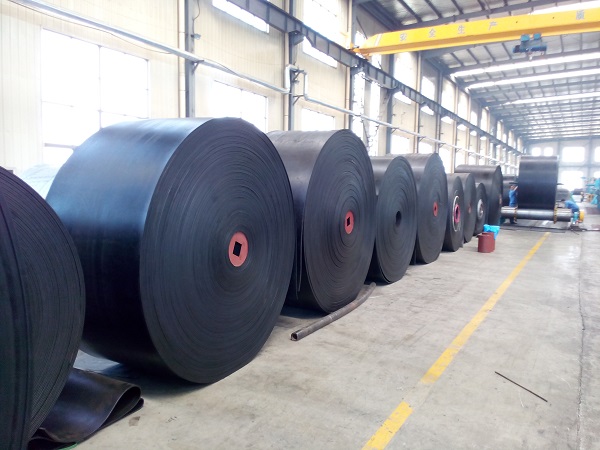
Technical Performance of Standard EP Conveyor Belt
| Performance Item | Standard Requirement | Test Standard |
|---|---|---|
| Elongation at Break of Carcass | ≥300% | ISO 6259 |
| Interlayer Peel Strength | ≥12 N/mm | ISO 2411 |
| Permanent Elongation Under Rated Load | ≤2.5% | DIN 22102 |
| Cover Rubber Abrasion Loss | ≤0.8 cm³/1.61 km | ISO 4649 |
| Ozone Aging Resistance | No surface crack after 72 h | ISO 1431 |
Actual belt performance depends on the selected carcass, rubber compound, cover thickness and operating conditions. YUFENG can provide factory test data according to the supplied belt specification.
Manufacturing Standards and Quality Documentation
YUFENG conveyor belts are manufactured according to applicable international and industry standards, including ISO 14890, DIN 22102, DIN 22131, GB/T 7984 and GB/T 9770. Flame-retardant belts for underground coal mine applications can be manufactured according to MT/T668 requirements.
Depending on the product and destination market, available documentation can include ISO 9001 quality management system certification, CE documentation, SGS material performance test reports, coal mine flame-retardant safety certification and factory tensile and aging test reports.
Applications Across Bulk Material Industries
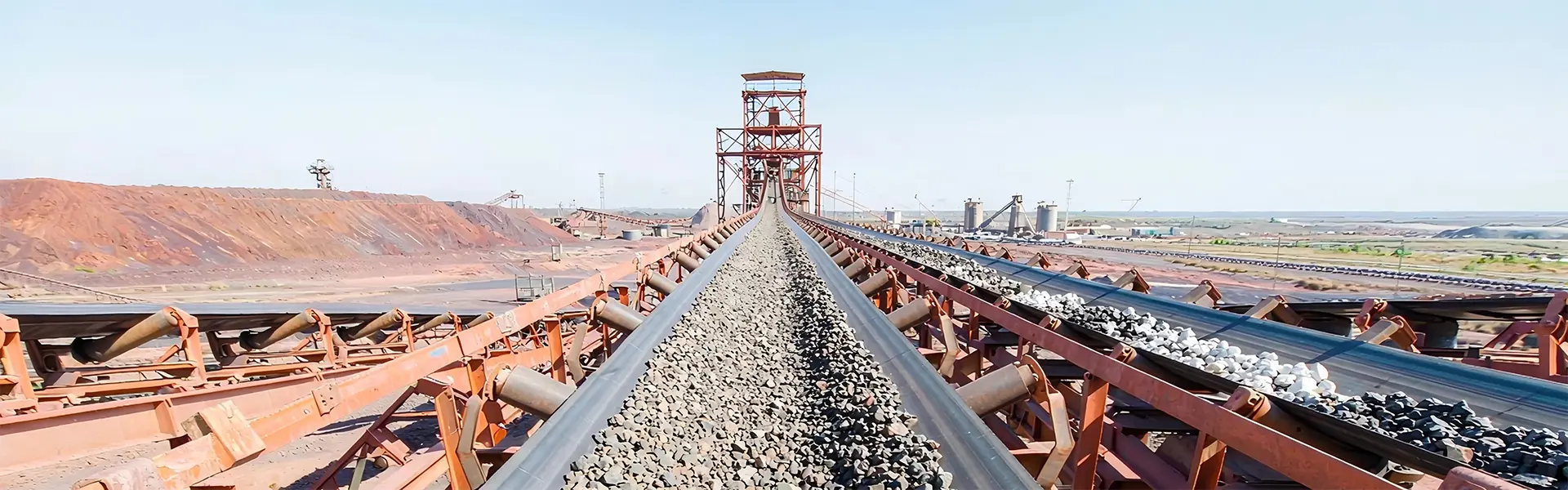
YUFENG Rubber Belt is used in conveying systems where continuous transportation of bulk or processed materials is required. Belt construction can be selected according to material weight, particle size, temperature, chemical exposure and conveying distance.
Mining and Quarrying
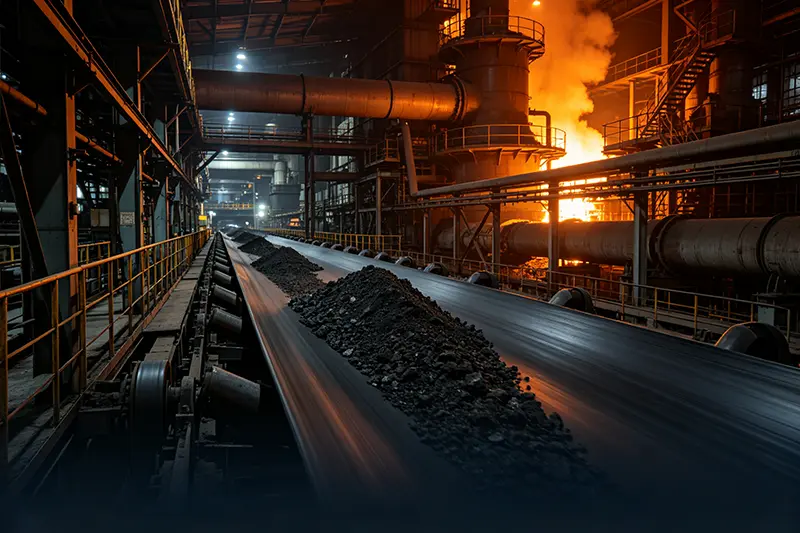
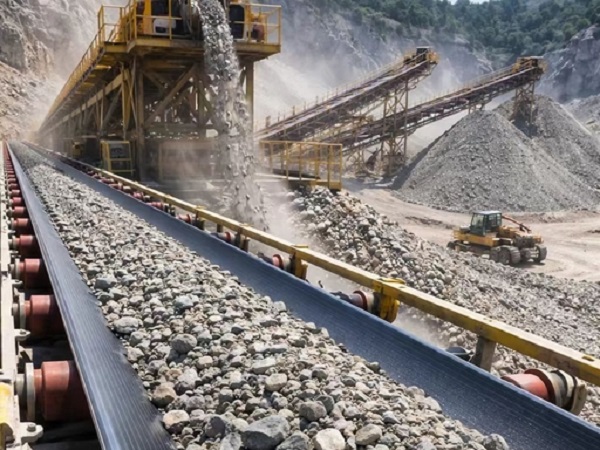
Suitable for coal, iron ore, limestone, aggregate and other bulk materials. Heavy-duty fabric and steel cord constructions can be configured for high-load and long-distance conveying systems.
Cement and Building Materials
Used for limestone, clinker, sand, gravel and other materials throughout quarrying, crushing and cement production processes.
Ports and Bulk Terminals
Steel cord and high-strength fabric belts can be used for continuous bulk loading, unloading and long-distance transfer where high throughput is required.
Steel and Power Plants
Heat-resistant and wear-resistant constructions can be selected for conveying hot or abrasive materials such as slag, coke and mineral materials.
Chemical and Industrial Processing
Oil-resistant and chemical-resistant rubber compounds are available for conveying materials that may affect conventional rubber covers.
Splicing and Conveyor Installation
Proper joint construction and conveyor alignment directly influence belt service life. YUFENG provides technical guidance for hot vulcanization splicing, emergency cold-glue repair and common conveyor layout requirements.
Hot Vulcanization Splicing
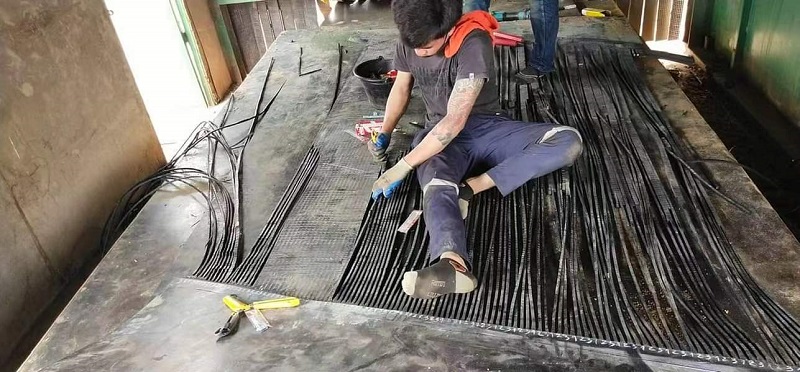
For permanent load-bearing joints, the belt ends are prepared according to the number of fabric plies or steel cords. The joint surfaces are cleaned, suitable bonding rubber is installed and the joint is vulcanized under controlled temperature and pressure. After cooling and inspection, the joint is ready for operation.
Cold Glue Repair
Cold adhesive repair is intended mainly for localized rubber damage and emergency maintenance. It is not recommended as the primary joint method for long-distance, heavy-load conveyor belts.
Conveyor Line Arrangement
Three-roller trough idlers can be used in the upper carrying section, while impact idlers should be positioned around material loading points. Self-aligning idlers can be installed at suitable intervals on long conveyor lines to help control belt deviation.
Matching Conveyor Components
YUFENG can supply conveyor belts together with related components for bulk conveying system procurement. This allows buyers to coordinate belt specifications and supporting components according to the same conveyor design.
Conveyor Belt Range
Available products include smooth, rough-top, patterned, sidewall, pipe and steel cord conveyor belts.
Conveyor Idlers
The supporting range includes trough idlers, impact idlers, self-aligning idlers and HDPE anti-corrosion idlers for different conveyor structures.
Rubber Accessories
Wear-resistant rubber sheets, conveyor skirting, vulcanization repair glue and patch kits can be supplied for conveyor maintenance and installation.
HDPE Pipeline Products
HDPE water pipes and dredge pipes can also be supplied for auxiliary fluid transportation requirements in mining and industrial projects.
Packaging and Shipment
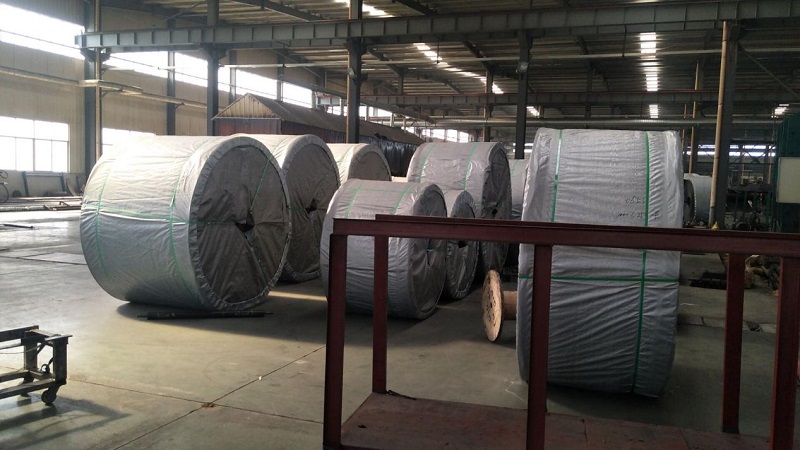
YUFENG uses packaging methods according to belt width, roll weight and transportation requirements. The objective is to protect the rubber surface and belt structure during handling, container loading and overseas transportation.
Small and Narrow Rolls
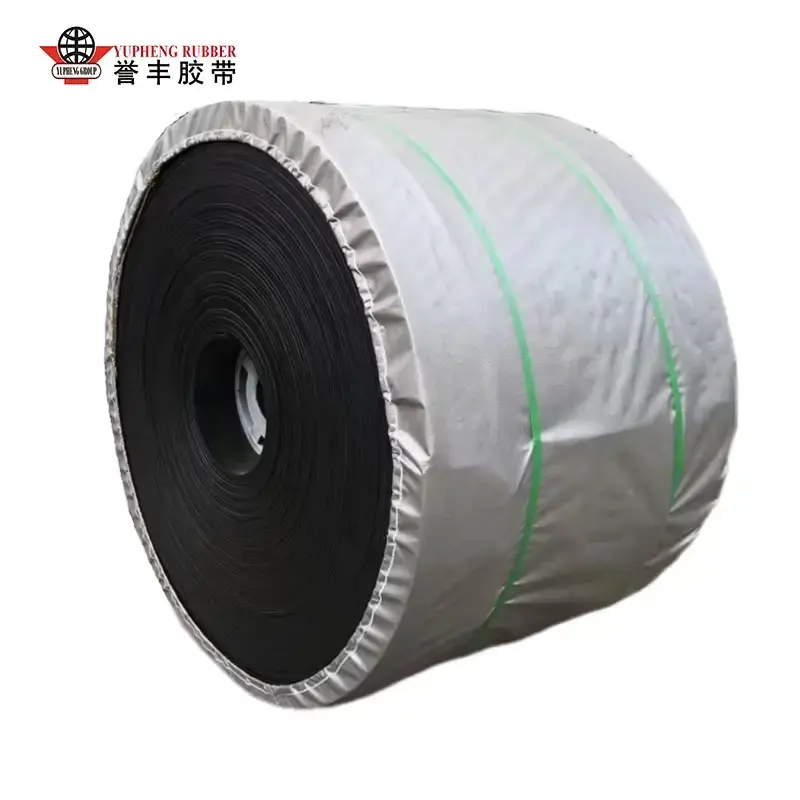
Belts from approximately 300–800 mm wide can be wound around solid paper cores and protected with waterproof plastic film and woven outer packaging.
Wide Heavy Rolls
Belts from approximately 1000–2600 mm wide can be secured with reinforced steel strapping, covered with protective tarpaulin and placed on suitable heavy-duty pallets for container transportation.
Short Custom-Cut Sections
Short belt sections can be individually protected with cartons and cushioning materials to reduce the possibility of surface scratches during shipment.
How to Select the Suitable Rubber Belt
Accurate belt selection requires more than knowing the belt width. The carcass, cover compound and belt construction should correspond to the conveyor's operating conditions. For an accurate factory quotation, buyers should provide the belt carcass type, belt width, top and bottom cover thickness, surface style, conveying material, working temperature, conveying distance, hourly throughput, order quantity and destination port.
YUFENG can use these parameters to recommend a suitable carcass grade, cover construction and belt specification for the intended conveyor system.
YUFENG Rubber Belt Manufacturing Support
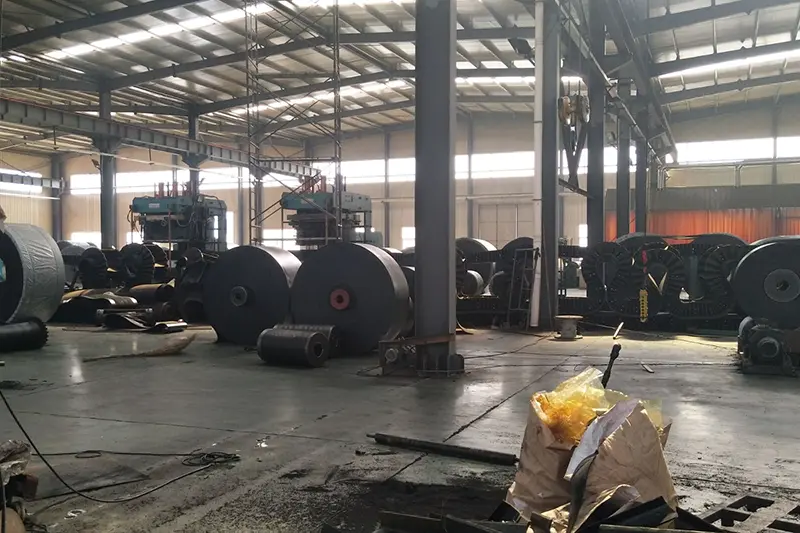
YUFENG is a conveyor belt manufacturer in China supplying fabric and steel cord rubber conveyor belts for international industrial projects. The production range covers standard conveying belts as well as customized constructions for wear, flame, heat, oil, chemical, cold and tear resistance.
For bulk orders, YUFENG provides specification confirmation, technical consultation, customized belt production, factory testing and export packaging. The company can also coordinate conveyor belts with idlers and related rubber or HDPE products for projects requiring multiple conveying components.
Request a Rubber Belt Specification
To select the correct YUFENG Rubber Conveyor Belt, provide the material being conveyed, belt width, carcass type, cover thickness, conveying distance, working temperature, required belt length, conveying capacity and application environment. These parameters allow the technical team to determine the appropriate belt construction and prepare a factory quotation based on the actual working conditions.
YUFENG Global Contact Information
Email: jayce@yuphengbelt.com
WhatsApp / WeChat / Mobile: +86 15318787602
Factory Address: Xiagou Village, ETDZ, Qingdao, Shandong, China
- View as
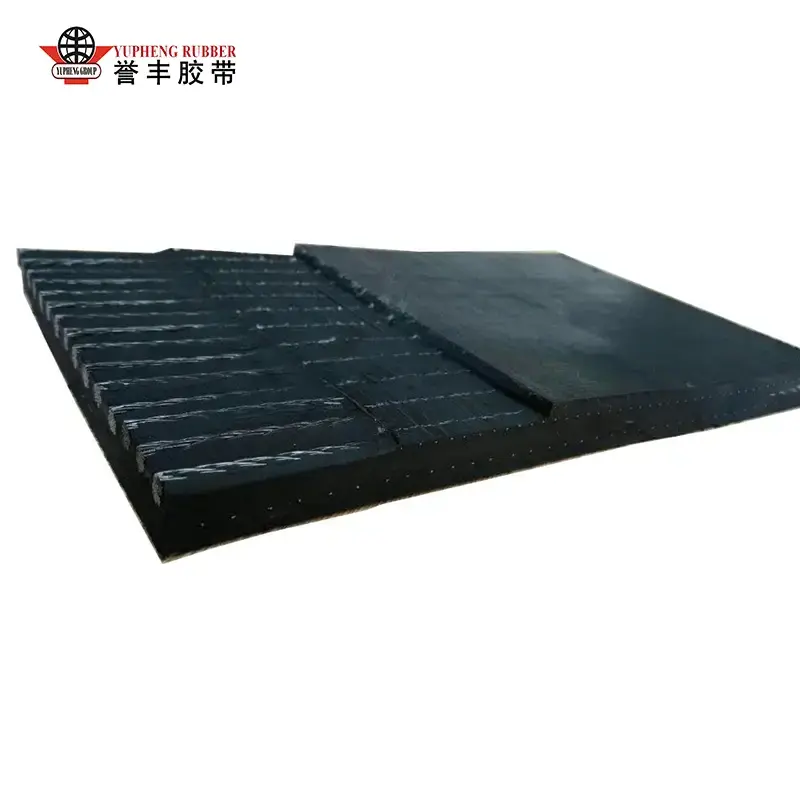
General Steel Cord Conveyor Belt
YUFENG is a professional General Steel Cord Conveyor Belt manufacturer and factory, supplying high-tensile, heavy-duty belts for mines, ports, metallurgy and cement plants. Featuring low elongation, high impact resistance and excellent troughability, our belts support -30°C to 100°C operation and customized specifications.
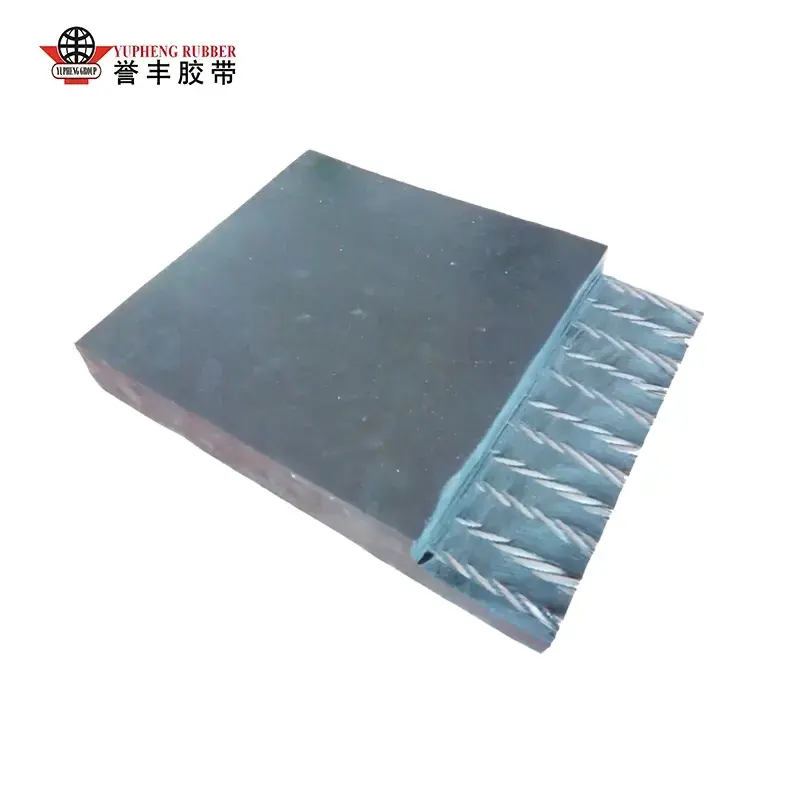
Flame Resistant Steel Cord Conveyor Belt
Built for safer bulk material handling in underground mines and flammable industrial environments, the Flame Resistant Steel Cord Conveyor Belt combines flame-retardant rubber, anti-static performance, high tensile strength and low elongation. YUFENG supports standard and customized solutions for reliable long-distance coal conveying.
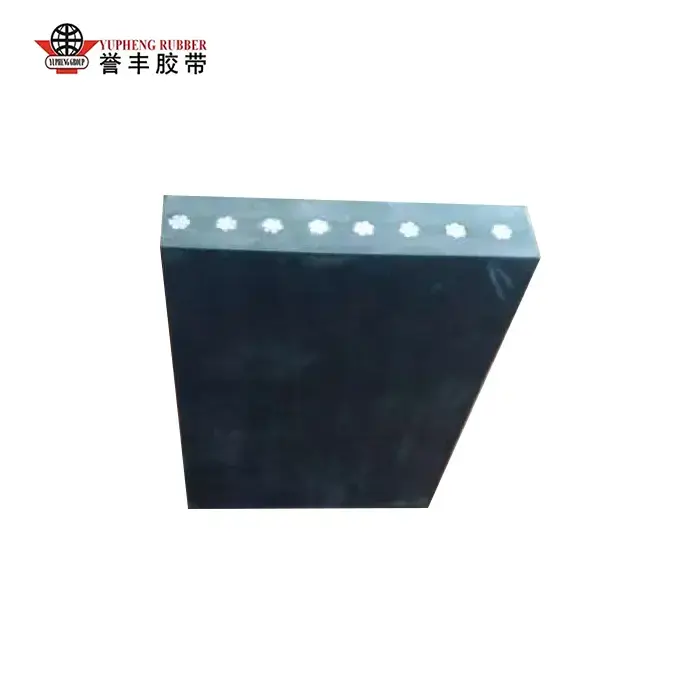
Heat Resistant Steel Cord Conveyor Belt
Specializing in high-temperature conveying solutions, YUFENG is a trusted Heat Resistant Steel Cord Conveyor Belt manufacturer, supplier and factory in China. Designed for harsh thermal environments, this belt adopts a high-temperature stable rubber formula and integrated steel cord vulcanization technology to maintain excellent tensile strength, structural stability, and durability under continuous 180℃ operation and 220℃ short-term impact.
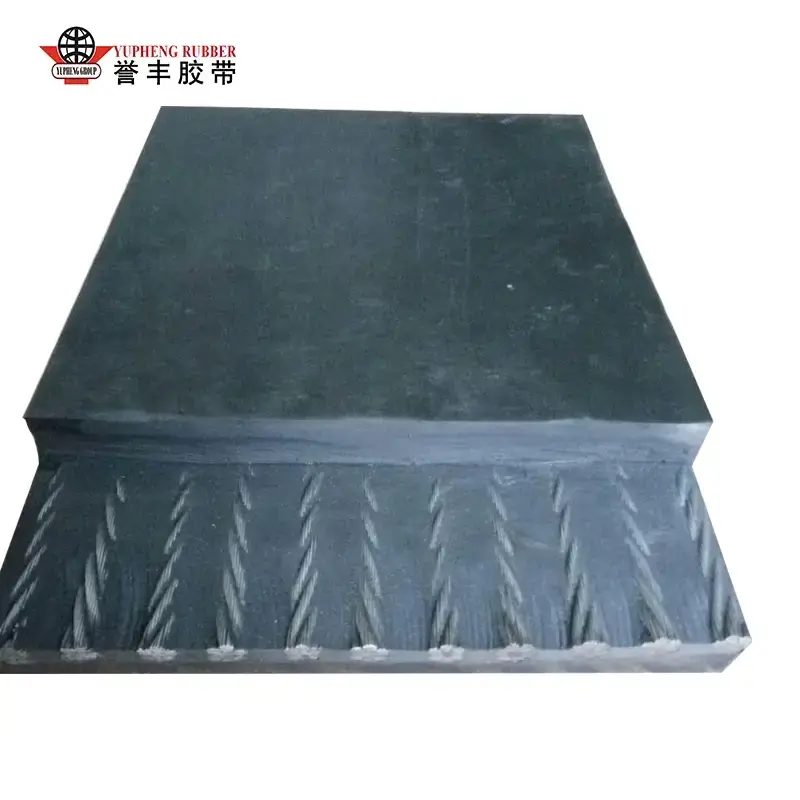
Rip Resistant Steel Cord Conveyor Belt
Designed for demanding mining, quarrying and crushing applications, the Rip Resistant Steel Cord Conveyor Belt features a cross anti-tear mesh and double-layer toughened rubber structure. It provides excellent resistance to longitudinal tearing, sharp stone puncture and cracking, ensuring reliable heavy-duty conveying performance.
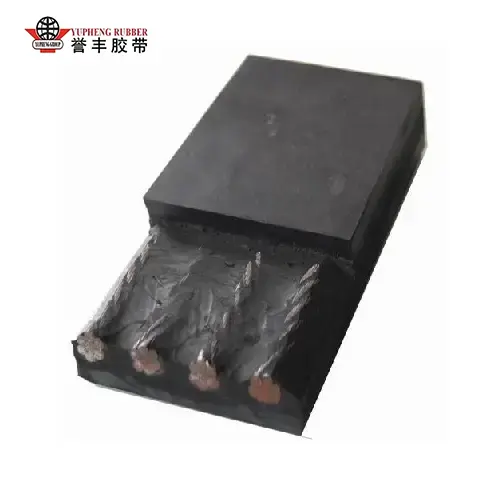
Corrosion Resistant Steel Cord Conveyor Belt
YUFENG is a professional Corrosion Resistant Steel Cord Conveyor Belt manufacturer, supplier and factory in China, specializing in customized anti-corrosion conveying solutions for chemical, marine, and salt-containing industrial environments. Unlike conventional steel cord belts that are vulnerable to steel cord rust, rubber aging, and layer separation, YUFENG this Conveyor Belt adopts an acid-base resistant rubber compound and sealed anti-corrosion steel cord protection technology.
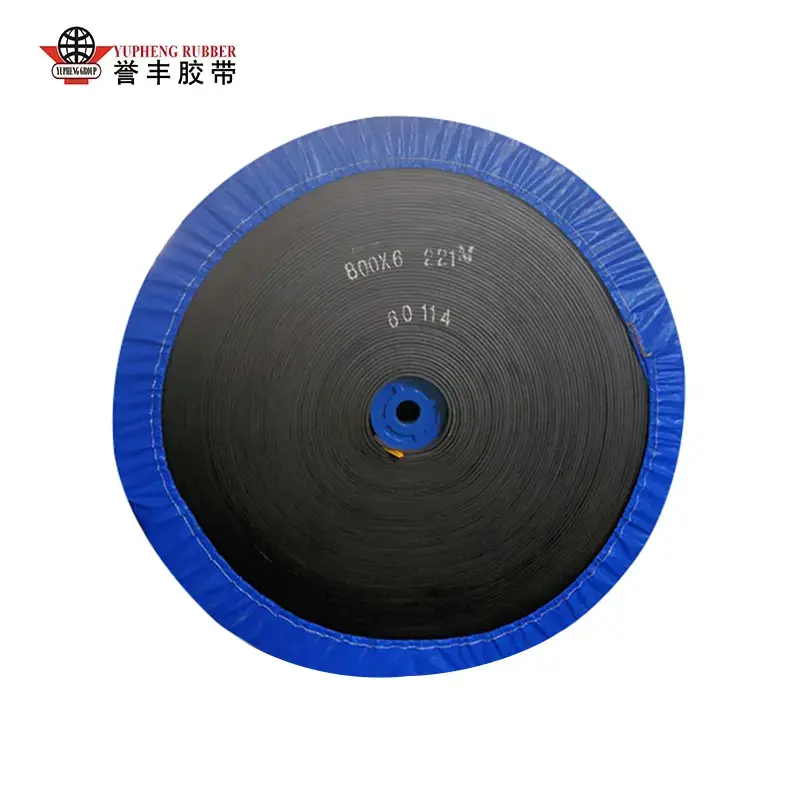
EP Conveyor Belt
YUFENG EP Conveyor Belt is a cost-effective fabric core belt for light and medium-load industrial conveying. It offers higher tensile strength and wear resistance than traditional nylon or cotton canvas belts, making it ideal for medium-short distance conveying of conventional-temperature, non-corrosive materials.
YUFENG is a professional Rubber Conveyor Belt manufacturer and supplier in China. We have an experienced sales team, professional technicians, and an after-sales service team.
News Recommendations