I. Coal Industry (Highest Consumption)
Underground Coal Mine Main Haulage
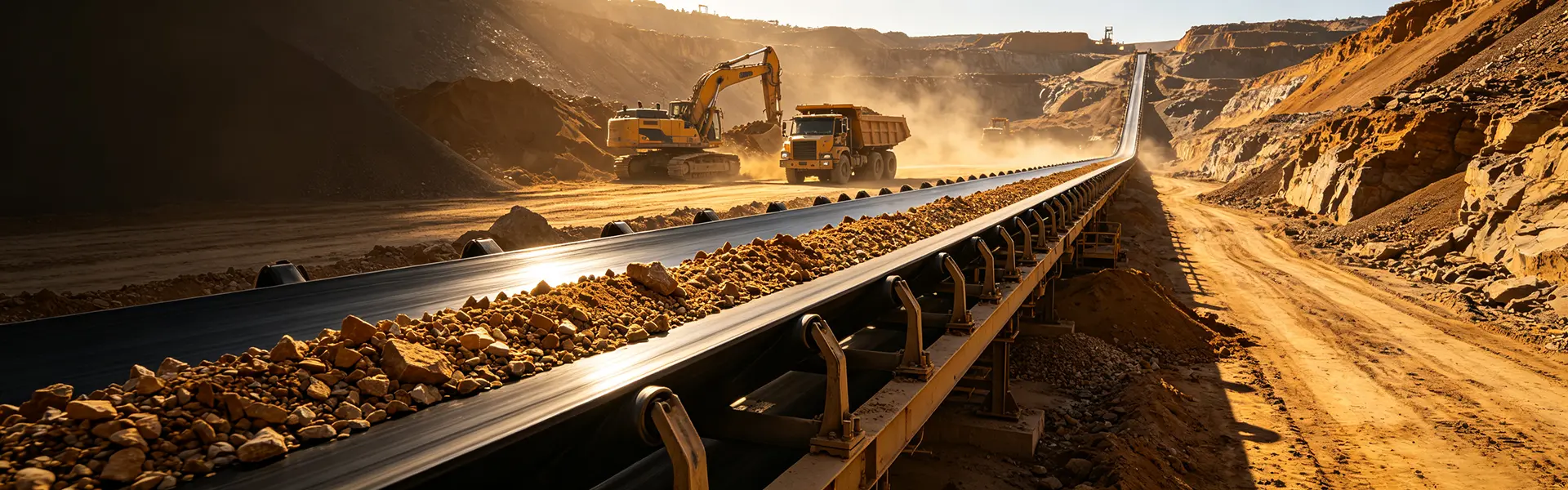
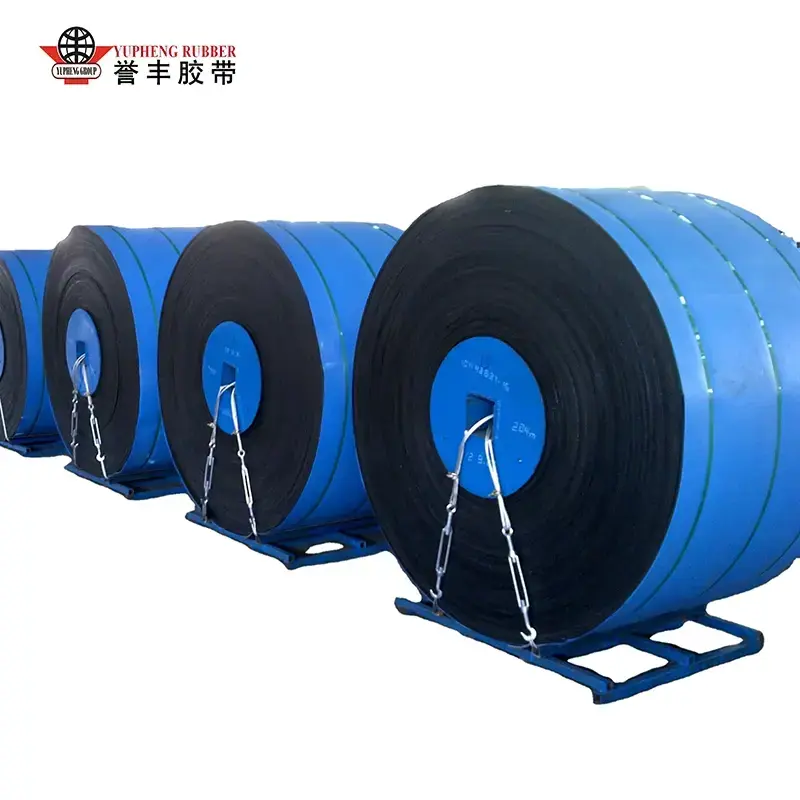
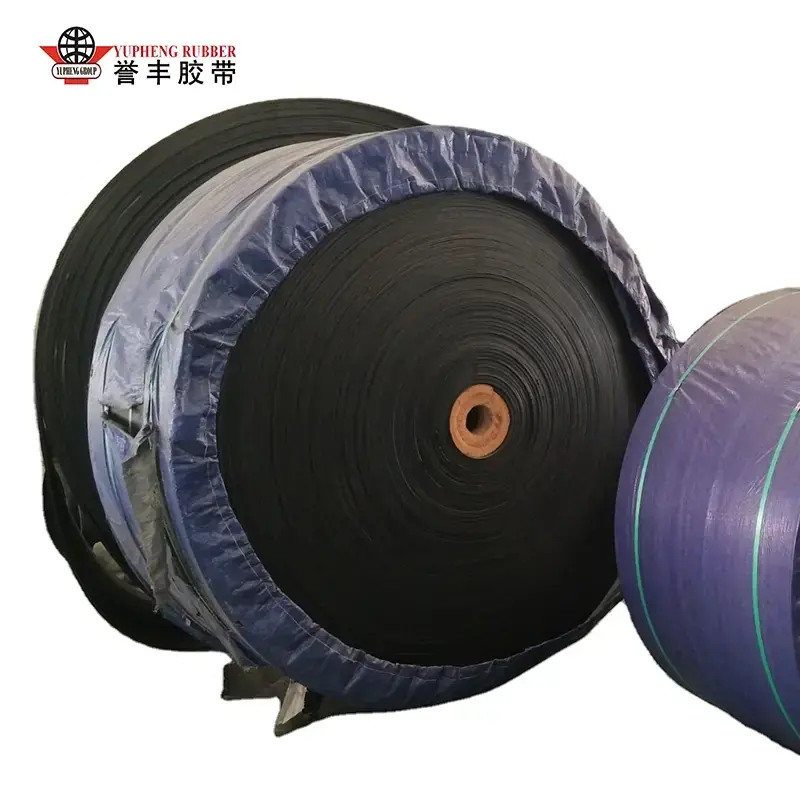
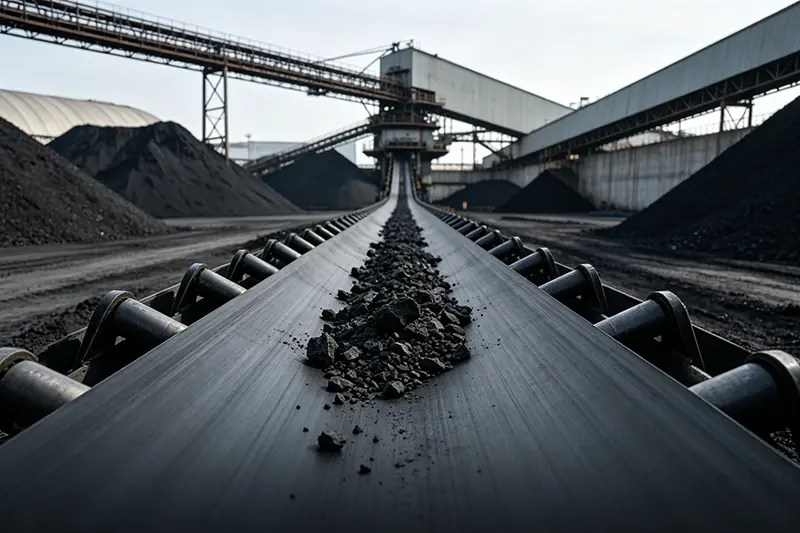
Main underground haulage roadways and panel entry conveyors; characterized by long distances and high throughput. Flame-retardant steel-cord conveyor belts are typically selected to meet safety standards, allowing for continuous transport over several kilometers without the need for transfer points.
Open-Pit Coal Mining
Mainline transport for overburden and raw coal; involves significant elevation changes and large ore fragments, requiring high-strength, tear-resistant belts. Single conveyor lines in large open-pit mines can span several kilometers.
Coal Preparation Plants, Coal Storage Yards, and Coal Terminals
Heavy-duty transfer of raw coal, clean coal, and gangue; involves high drop heights during loading, necessitating superior tear resistance and abrasion resistance.
II. Metal Mining (Iron, Copper, Gold, Manganese, etc.)
Underground main haulage and open-pit transport of large rock and ore fragments;
Main feed lines for primary and secondary ore crushing workshops; materials are hard and generate high impact forces;
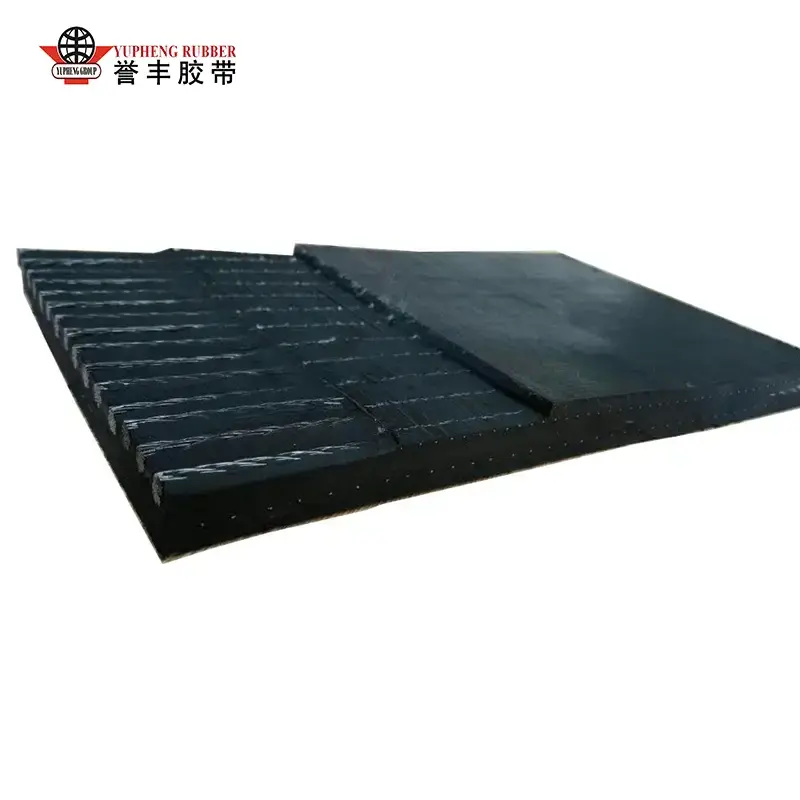
Characteristics: Materials have high bulk density and sharp edges that easily tear standard fabric belts; steel-cord belts offer a distinct advantage in tear resistance.
III. Sand, Gravel, and Stone Quarrying
Mainline transport for large-scale crushed stone production lines;
Long-distance transfer of sand and gravel for tunnel engineering and major infrastructure projects;
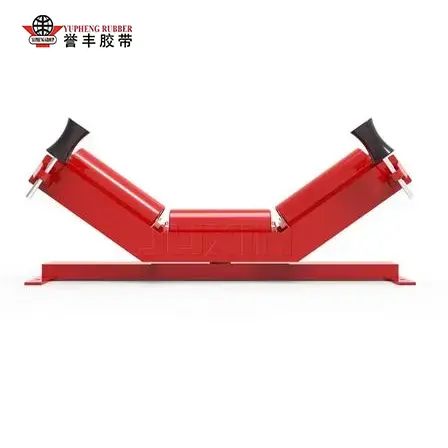
High impact forces from falling large crushed stones require high belt tensile strength; deep-trough configurations are used to increase load capacity.
IV. Cement and Building Materials Industry
Long-distance transport of limestone from mines (often in mountainous terrain with significant elevation changes and long distances);
High-temperature transport of clinker (compatible with heat-resistant steel-cord conveyor belts);
Heavy-duty mainline transport of slag, steel slag, and gypsum. V. Port and Terminal Bulk Cargo Handling
Long-distance loading and unloading conveyor belts for coal, ore, and grain transshipment terminals;
Mainline conveyor belts for bulk storage yards, ship loaders, and ship unloaders;
Requirements: Continuous 24-hour heavy-load operation, low elongation, and minimal maintenance.
VI. Large-scale Power Plants and Coking Plants
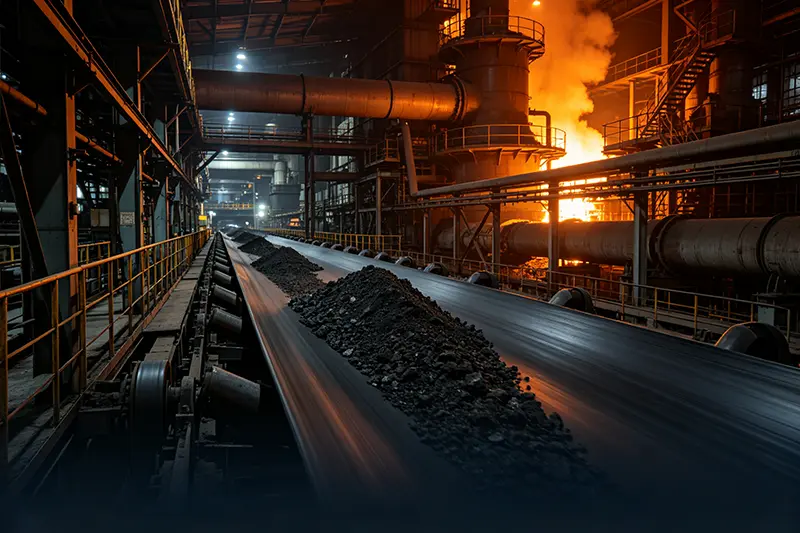
Main conveyor belts for coal handling systems in thermal power plants, transporting coal over long distances from storage yards to boilers;
Raw coal and coke transfer in coking plants; high requirements for wear resistance and flame retardancy.
VII. Large-scale Engineering Tunnels and Hydraulic Infrastructure
Long-distance transport of muck/spoil from subway and tunnel shield tunneling operations;
Long-distance transfer of earth and rock for large reservoirs and infrastructure projects; involves high throughput and significant elevation changes.
VIII. Specialized Operating Conditions
Steep-incline/Downhill Conveying
Downhill transport with elevation drops of hundreds of meters; the weight of the belt itself generates immense tension, necessitating the use of steel cord conveyor belts;
Long-distance Direct (Non-transfer) Mainlines
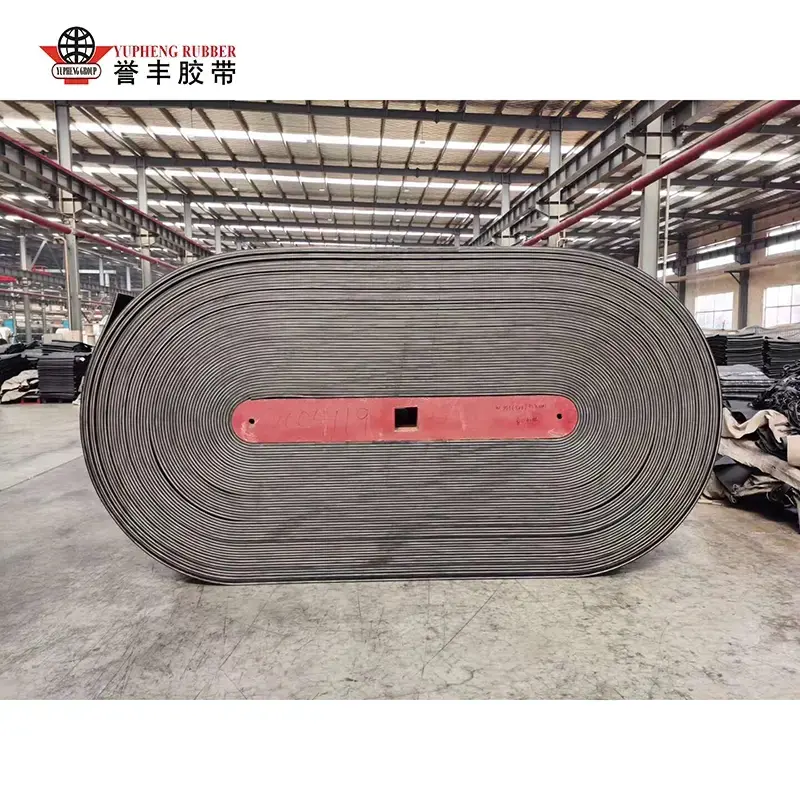
Single-flight conveying distances exceeding 1 km; fabric-core belts suffer from excessive elongation and insufficient strength, making steel cord (ST) belts the mandatory choice;
High-Impact and Tear-Prone Conditions
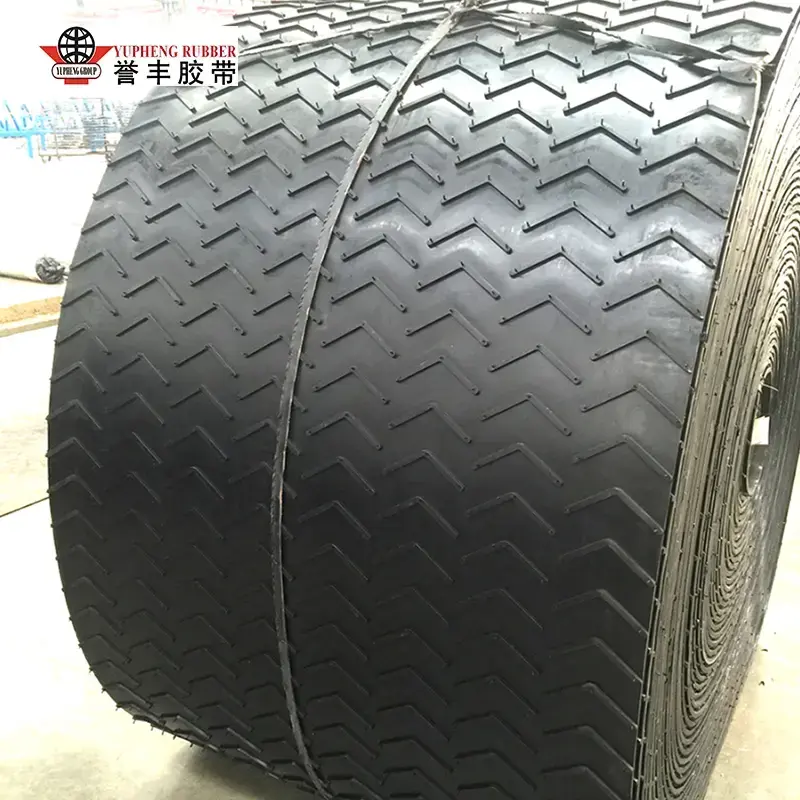
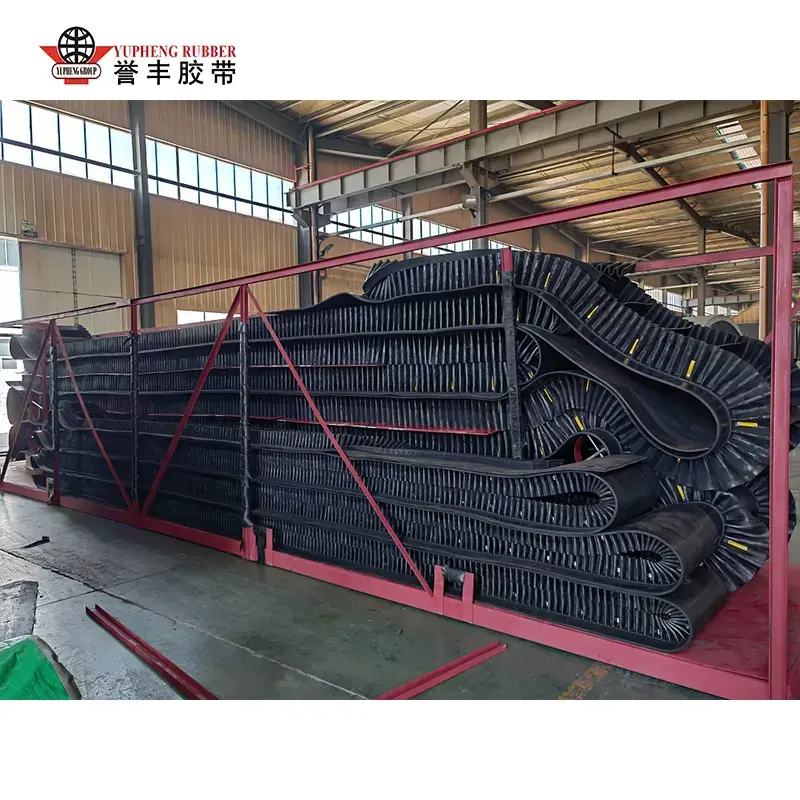
Handling of large ore chunks, steel slag, and heavy material drops; utilizes transverse steel cord reinforcement (breaker mesh) to prevent longitudinal tearing accidents;
Underground Explosion-proof and Flame-retardant Scenarios
Flame-retardant steel cord conveyor belts designed specifically for underground coal mines, compliant with coal mine safety standards.