English
- English
- Español
- Português
- русский
- Français
- 日本語
- Deutsch
- tiếng Việt
- Italiano
- Nederlands
- ภาษาไทย
- Polski
- 한국어
- Svenska
- magyar
- Malay
- বাংলা ভাষার
- Dansk
- Suomi
- हिन्दी
- Pilipino
- Türkçe
- Gaeilge
- العربية
- Indonesia
- Norsk
- تمل
- český
- ελληνικά
- український
- Javanese
- فارسی
- தமிழ்
- తెలుగు
- नेपाली
- Burmese
- български
- ລາວ
- Latine
- Қазақша
- Euskal
- Azərbaycan
- Slovenský jazyk
- Македонски
- Lietuvos
- Eesti Keel
- Română
- Slovenski
- मराठी
- Srpski језик
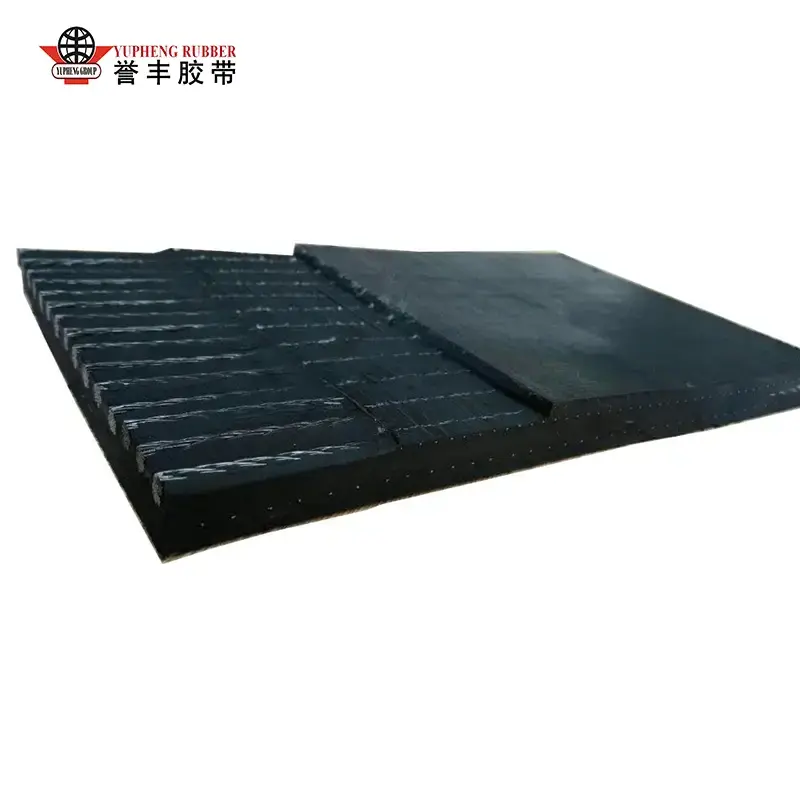
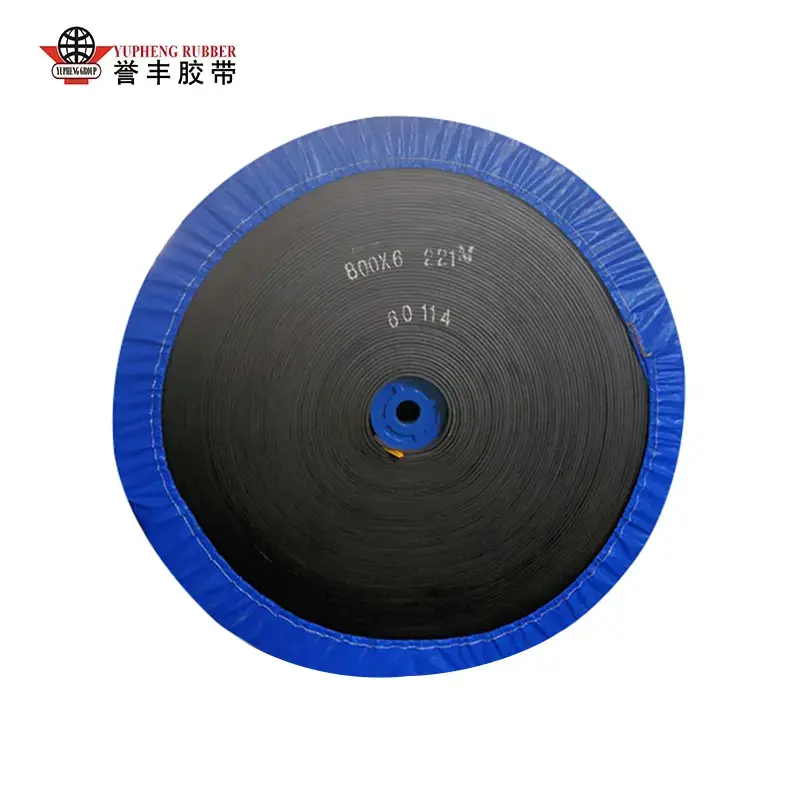
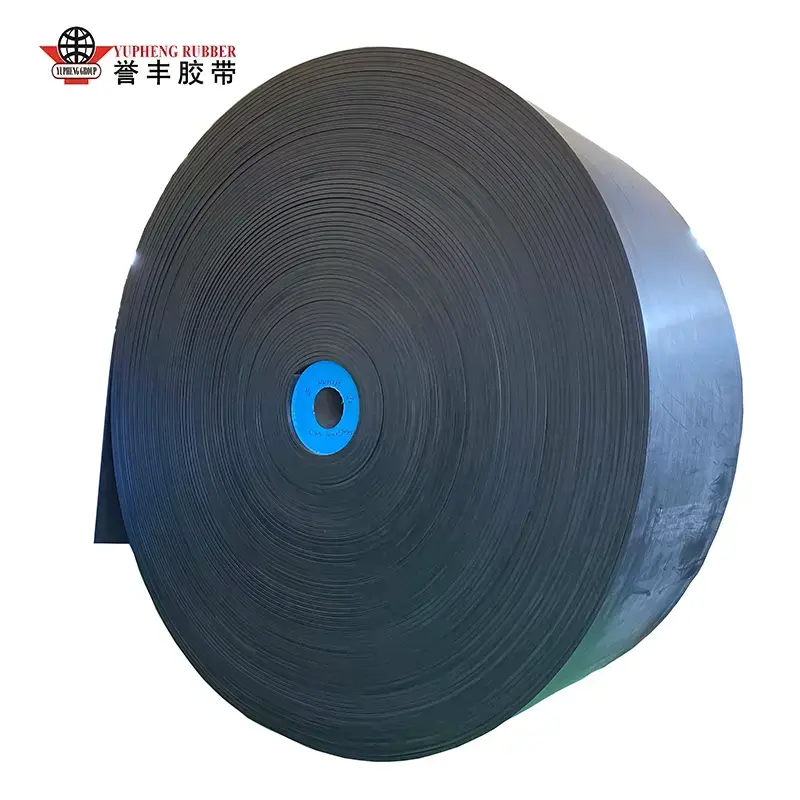
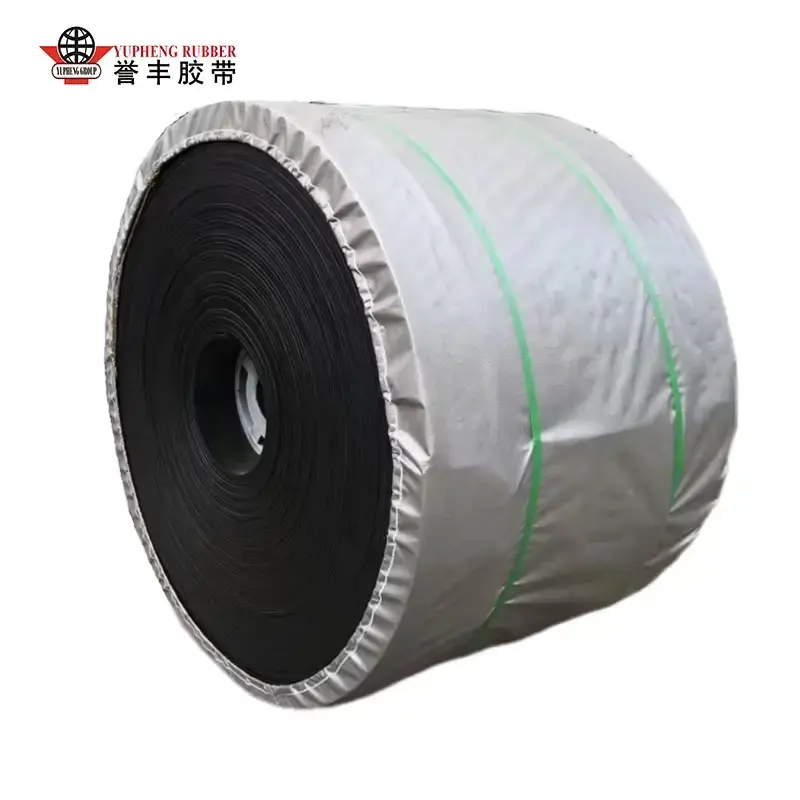
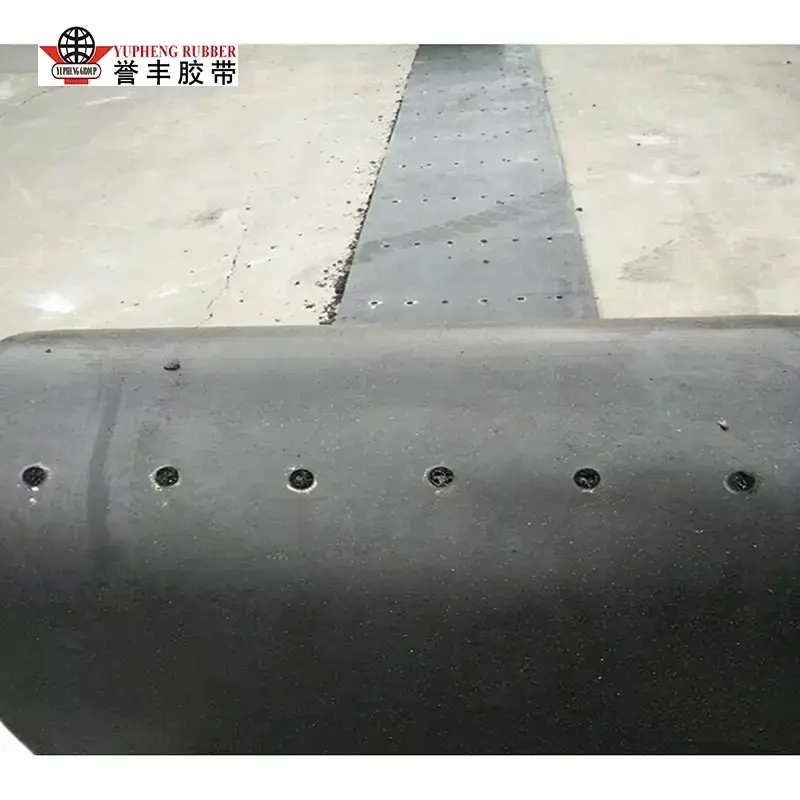
Heat Resistant Bucket Elevator Belt
YUFENG Heat Resistant Bucket Elevator Belt is designed for enclosed bucket elevators handling hot bulk materials at 120–175°C. Its dual-layer thermal barrier structure protects the carcass from radiant heat, reducing scorching, delamination and bolt-hole cracking. Available in fabric and steel cord versions, it supports medium to ultra-high lifting applications with durable, stable performance.
YUFENG Heat Resistant Bucket Elevator Belt is specially developed for enclosed high-temperature vertical conveying systems. Unlike conventional single-layer belts, it features a dual heat-shielding rubber structure with an integrated thermal buffer layer, effectively reducing heat penetration, rubber aging and delamination risks. Designed for lime calcining, thermal power and smelting applications, it maintains stable tensile strength and bolt-hole durability under continuous high-temperature operation.
Material & Production Craft
1. High-Temperature Resistant Material Selection
All rubber raw materials and tensile carcass materials undergo closed high-temperature aging screening before production. The surface layer adopts a high anti-oxidation heat-resistant rubber compound, while the core structure uses a micron-level low thermal conductivity insulation buffer rubber layer to effectively slow down heat transfer and protect the internal structure under high-temperature conditions.
2. Reinforcement Structure & Manufacturing Process
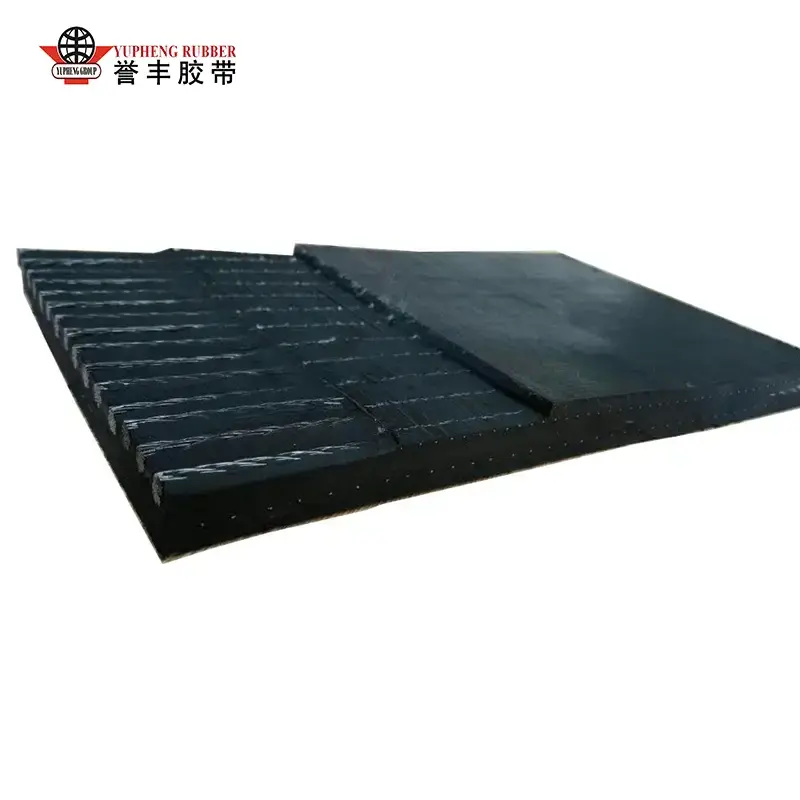
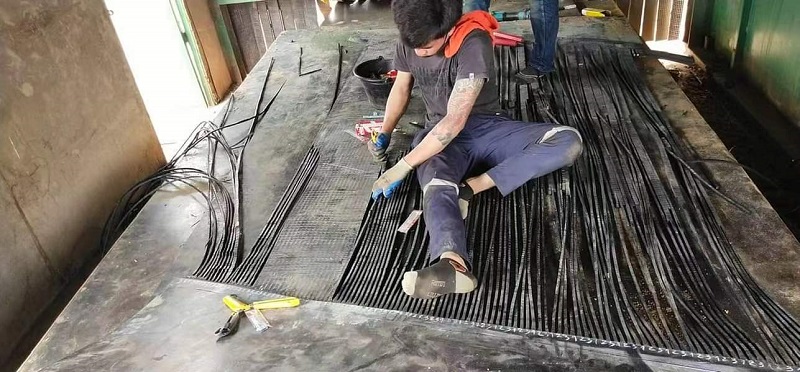
According to different lifting heights, two carcass structures are available. Dipped high-temperature canvas is suitable for rubber belts with lifting heights below 60m, while anti-rust galvanized steel cord reinforcement is designed for vertical lifting applications above 60m. Special high-temperature bonding rubber is applied between rubber layers and the reinforcement skeleton. The entire belt is processed through segmented low-speed constant-temperature vulcanization to prevent insulation layer foaming and ensure stable bonding performance.
3. Factory Quality Control
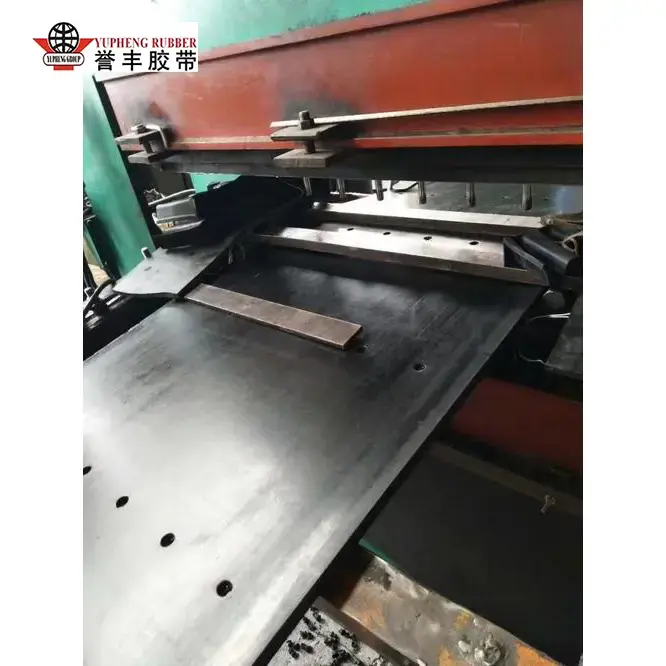
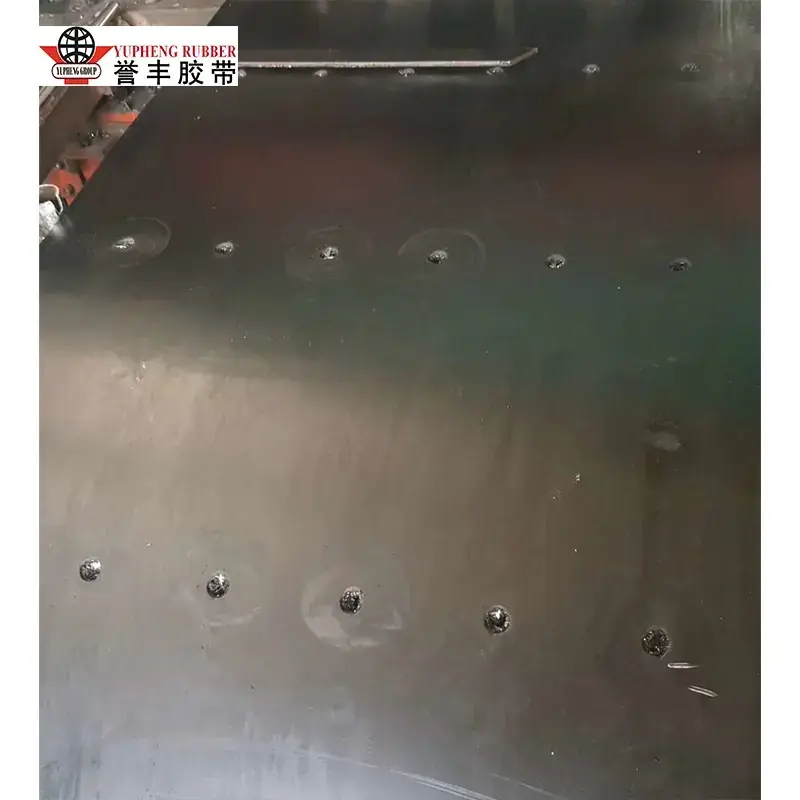
The factory uses CNC punching equipment to avoid damage to the insulation rubber layer during processing. Before delivery, each batch of finished Heat Resistant Bucket Elevator Belt completes 1000-hour closed thermal cycle testing and bolt hole rubber fatigue testing to verify long-term performance under high-temperature vertical conveying conditions.
Field Test Data & Industry Comparison
1. Closed High-Temperature Comparison Test
YUFENG conducted a 10-month continuous closed cabin comparison test using conventional single-layer heat-resistant rubber elevator belts as reference samples. The test focused on internal temperature control, bonding performance and long-term durability under high-temperature operating conditions.
2. Performance Difference Under High Temperature
Ordinary single-layer heat-resistant rubber conveyor belts lack an internal heat buffer structure. After three months of operation at 140℃ in a closed environment, the internal carcass temperature exceeded 110℃, and interlayer bonding strength decreased by more than 45%.
The insulated Heat Resistant Bucket Elevator Belt uses a heat-buffering rubber layer to maintain the internal carcass temperature below 70℃ under 175℃ external heat radiation. After long-term thermal cycle testing, interlayer peeling loss remains below 8%. Under the same high-temperature sealed working conditions, its service life reaches approximately 2.8 times that of common single-layer rubber belts.
Real Project Application Cases
1. Large Lime Calcining Plant Closed Elevator Project
A customer's fully sealed calcined lime elevator operates under 150℃ radiant heat throughout the year. Previously used single-layer heat-resistant rubber conveyor belts experienced rubber scorching and bolt hole cracking within four months. YUFENG supplied a fabric-reinforced insulated Heat Resistant Bucket Elevator Belt with a thickened insulation rubber layer. After 21 months of continuous vertical conveying, the belt showed no surface scorching or rubber cracking around bolt holes, reducing replacement frequency by more than 70%.
2. Thermal Power Plant Fly Ash Sealed Elevator Project
A power station's fly ash elevator operates inside a negative-pressure closed cabin with ash temperatures reaching 135℃. YUFENG customized a steel cord reinforced insulated rubber conveyor belt according to the 86m lifting height requirement. After 15 months of continuous operation, the rubber layers and steel cords maintained stable bonding without delamination, solving the aging problems commonly found in traditional rubber conveyor belts under long-term thermal radiation.
3. Factory Verification & Technical Support
YUFENG provides thermal aging laboratory test videos, rubber conveyor belt production records and practical application data to help customers evaluate product performance before cooperation.
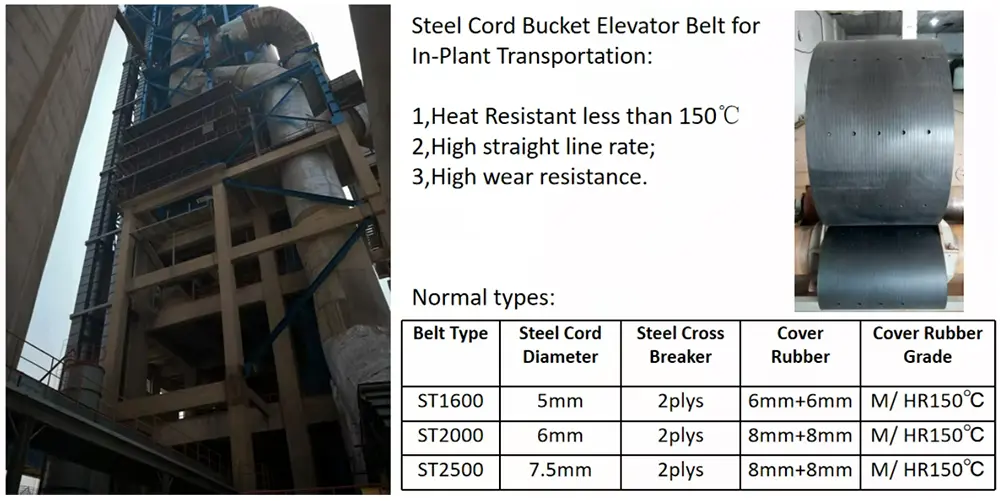
Complete Product Specification Parameters
|
Parameter Item |
Specific Technical Parameters |
|
Product Name |
Heat Resistant Bucket Elevator Belt (Heat Insulated Rubber Conveyor Belt) |
|
Optional Carcass Matching |
High Temp EP Canvas Rubber Belt / Anti-Rust Steel Cord Rubber Belt |
|
Tensile Strength Grade |
EP150-EP300 (Fabric Rubber Type) / ST800-ST1600 (Steel Cord Rubber Type) |
|
Belt Width Range |
400/500/650/800/1000/1200/1400mm, customized width available |
|
Sustained Hot Material Temperature |
120℃ ~ 175℃ |
|
Instant Peak Hot Impact Temperature |
Max 180℃ short-time contact |
|
Insulation Rubber Interlayer Thickness |
3/5/8mm customizable |
|
Permanent Elongation |
Fabric rubber belt ≤1.4% ; Steel cord rubber belt ≤0.2% |
|
Bolt Hole Rubber Pull-out Strength (After Thermal Test) |
≥9N/mm (Fabric rubber) / ≥14N/mm (Steel cord rubber) |
|
Interlayer Rubber Adhesion Strength (After Aging) |
≥3.0 N/mm |
|
Raw Material Composition |
Anti-oxidation heat-resistant surface rubber + low thermal conductivity insulation buffer rubber + high temperature tensile carcass |
|
Core Performance of Rubber Conveyor Belt |
Double-layer thermal insulation rubber structure, anti-rubber scorch, anti-degumming, anti-bolt hole rubber brittleness, stable vertical lifting |
|
Applicable Hot Bulk Materials |
Calcined lime, high-temperature fly ash, smelting hot mineral powder |
|
Applicable Industries |
Lime calcining plant, thermal power station, non-ferrous smelter, coking factory sealed elevator system |
|
Factory Standard Inspection Items |
1000h closed thermal aging test, bolt hole rubber fatigue test, interlayer rubber peel test, tensile test |
|
Custom Processing Service |
CNC precision punching according to customer bucket drawings |
|
Sample Service |
Free small rubber conveyor belt samples, customers bear freight cost |
|
Packing Method |
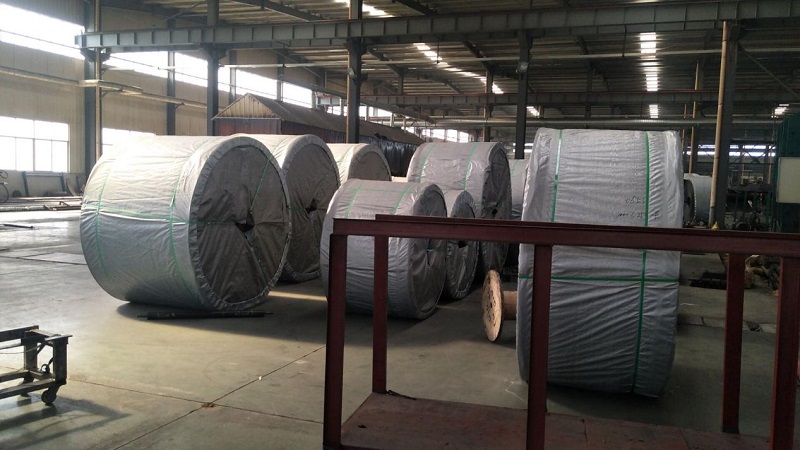
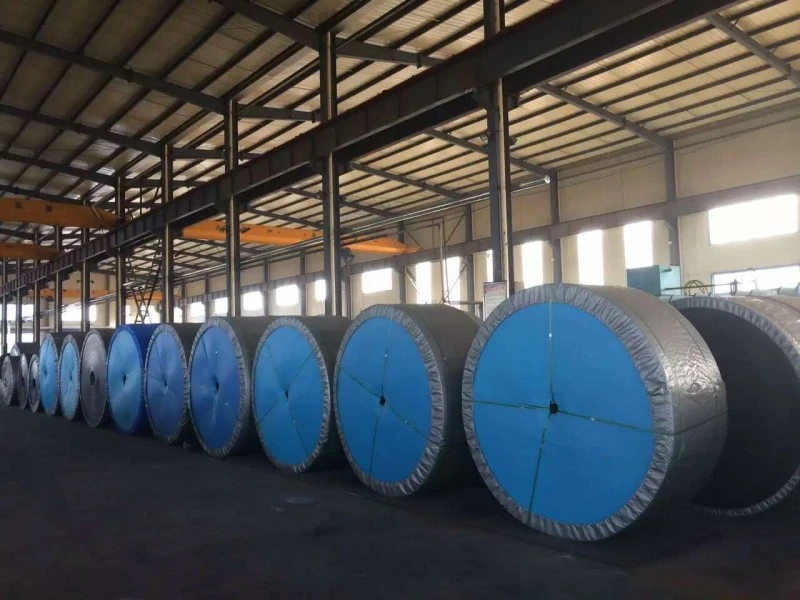
Rolled on solid rubber core, outer wrapped thick waterproof PP woven fabric fixed by steel strip |
|
MOQ |
Negotiable, support small trial order & bulk rubber roll order |
|
Production Lead Time |
6–9 working days for blank rubber rolls; 12–20 days for pre-punched customized rubber conveyor belts |
|
Warranty Period |
12 months warranty under standardized high-temperature elevator operation |
|
Payment Terms |
T/T, L/C at sight |
|
Loading Port |
Qingdao China |
|
Place of Origin |
Shandong, China |
| SPECIFICATION | ||||||
| Total Tensile Strength (N/mm) | Fabric Type | No.of Fabric plies | Width (mm) | Length | Top Cover Thickness(mm) | Bottom Cover Thicknes(mm) |
| 200-800 | EP100 | 2-10 | 350-2000 | 10-400 | 2-12 | 1-5 |
| 315-1250 | EP150 | 2-10 | 350-2000 | 10-400 | 2-12 | 1-5 |
| 400-1500 | EP200 | 2-10 | 350-2000 | 10-400 | 2-12 | 1-5 |
| 500-2000 | EP250 | 2-10 | 350-2000 | 10-400 | 2-12 | 1-5 |
| 500-2000 | EP300 | 2-6 | 350-2000 | 10-400 | 2-12 | 1-5 |
| 500-2000 | EP400 | 2-6 | 350-2000 | 10-400 | 2-12 | 1-5 |
| 630-2500 | EP500 | 2-6 | 350-2000 | 10-400 | 2-12 | 1-5 |
|
|
EP600 | 2-6 | 350-2000 | 10-400 | 2-12 |
|
Why Choose Our Factory Products
1. Professional Heat-Resistant Rubber Conveyor Belt Manufacturing Capability
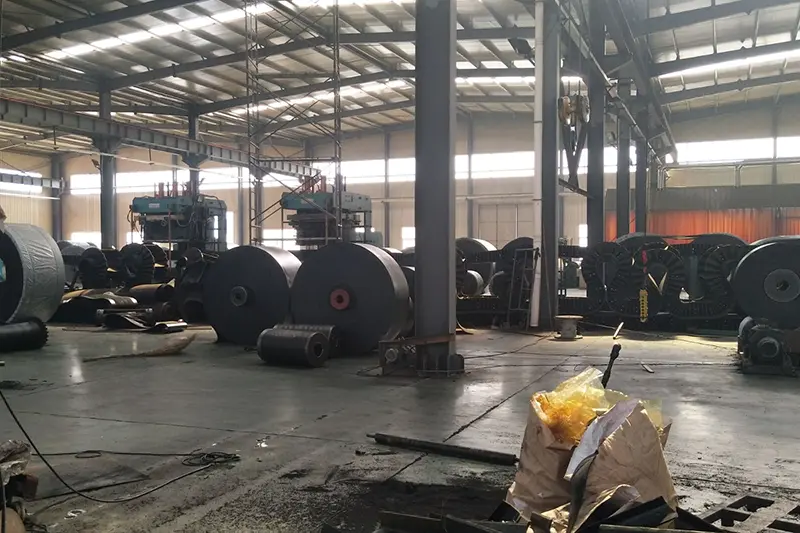
Unlike trading companies that mainly supply ordinary single-layer rubber elevator conveyor belts, YUFENG focuses on the development and production of Heat Resistant Bucket Elevator Belt solutions. We own dedicated thermal insulation rubber mixing workshops and specialized elevator rubber conveyor belt vulcanization production lines, with more than 10 years of experience in high-temperature rubber conveying product manufacturing and export.
2. Strict Material Control & Technical Matching
All rubber raw materials undergo full-process inspection, and ordinary non-heat-resistant rubber is not used for the surface cover or insulation layer. According to customers’ lifting height, material temperature and operating conditions, our technical team provides suitable fabric or steel cord reinforced rubber conveyor belt solutions to address common issues such as rubber scorching, interlayer delamination and bolt hole cracking.
3. Complete Factory Direct Service
We provide integrated services including high-temperature working condition analysis, belt structure selection, punching customization, factory direct supply and post-installation operation guidance. With stable production capacity and quality control systems, we support bulk rubber conveyor belt orders with reliable delivery schedules, helping industrial customers reduce replacement frequency and maintenance downtime.
p class="two">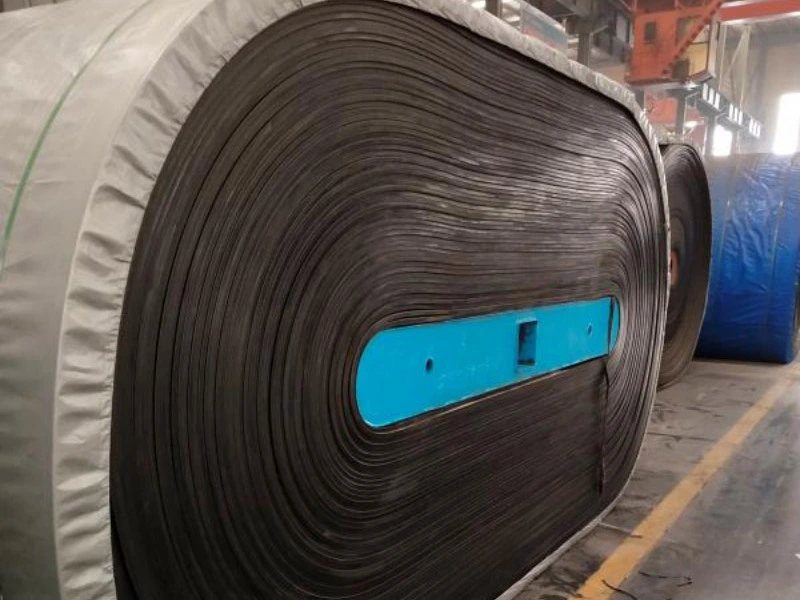
Frequently Asked Questions
Q1: What is the difference between this insulated rubber elevator conveyor belt and ordinary single-layer heat-resistant rubber conveyor belts?
Ordinary heat-resistant rubber conveyor belts mainly improve the surface rubber formula by adding heat stabilizers, but heat can still gradually transfer to the internal carcass structure in closed high-temperature environments, causing rubber aging, bonding degradation and bolt hole cracking.
YUFENG Heat Resistant Bucket Elevator Belt adopts an independent low thermal conductivity insulation buffer rubber layer between the cover rubber and tensile carcass, creating an additional thermal protection structure. This design helps reduce internal heat accumulation, prevent rubber scorching and interlayer delamination, and improve the safety and reliability of high-temperature elevator conveying systems.
Q2: Can the insulation rubber thickness and punching dimensions be customized?
Yes. Our factory is equipped with dedicated CNC punching equipment for rubber elevator belts. Customers can provide bucket installation drawings, and we can customize hole diameter, spacing and edge distance according to actual requirements. The punching process is controlled to avoid damaging the internal insulation rubber layer. All customized rubber conveyor belts undergo bolt hole fatigue testing before delivery to ensure compatibility with mainstream bucket elevator systems.
Q3: What maintenance methods can help extend the service life of this heat-resistant rubber conveyor belt?
Regular maintenance helps maintain long-term performance. Hot powder residues on the belt surface should be cleaned periodically to prevent local heat accumulation and accelerated rubber aging. The bolt hole areas should also be inspected regularly for early signs of cracking, while severely worn high-temperature resistant rollers should be replaced in time to reduce mechanical abrasion and thermal impact on the insulation rubber layer.
Hot Tags: Heat Resistant Bucket Elevator Belt Manufacturer, Heat Resistant Bucket Elevator Belt Supplier, High Temperature Bucket Elevator Belt
Send Inquiry
Contact Info
-
Address
Xiagou Village, West Coast New Area, Huangdao District, Qingdao City, Shandong Province, China
-
Tel
-
Email
Get a Tailored Quote for Your Conveyor Belt Project
Why Choose Qingdao Zhongye Yufeng Tape:
✔ Full range of belts — Steel cord, fabric, pipe, sidewall, heat-resistant, PVC/PVG mining, chevron, oil-resistant and more.
✔ Stable quality & competitive prices — ISO9001, CE, MSHA, TUV certified; ex-factory prices with fast delivery.
✔ Free sample testing — Verify quality before you commit; customized production supported.
✔ 14 years' experience — Serving coal, mining, metallurgy, port, power, construction and grain industries worldwide.
Ready to get started? Complete the form below and our team will respond within 24 hours with a custom recommendation.
News Recommendations