English
- English
- Español
- Português
- русский
- Français
- 日本語
- Deutsch
- tiếng Việt
- Italiano
- Nederlands
- ภาษาไทย
- Polski
- 한국어
- Svenska
- magyar
- Malay
- বাংলা ভাষার
- Dansk
- Suomi
- हिन्दी
- Pilipino
- Türkçe
- Gaeilge
- العربية
- Indonesia
- Norsk
- تمل
- český
- ελληνικά
- український
- Javanese
- فارسی
- தமிழ்
- తెలుగు
- नेपाली
- Burmese
- български
- ລາວ
- Latine
- Қазақша
- Euskal
- Azərbaycan
- Slovenský jazyk
- Македонски
- Lietuvos
- Eesti Keel
- Română
- Slovenski
- मराठी
- Srpski језик
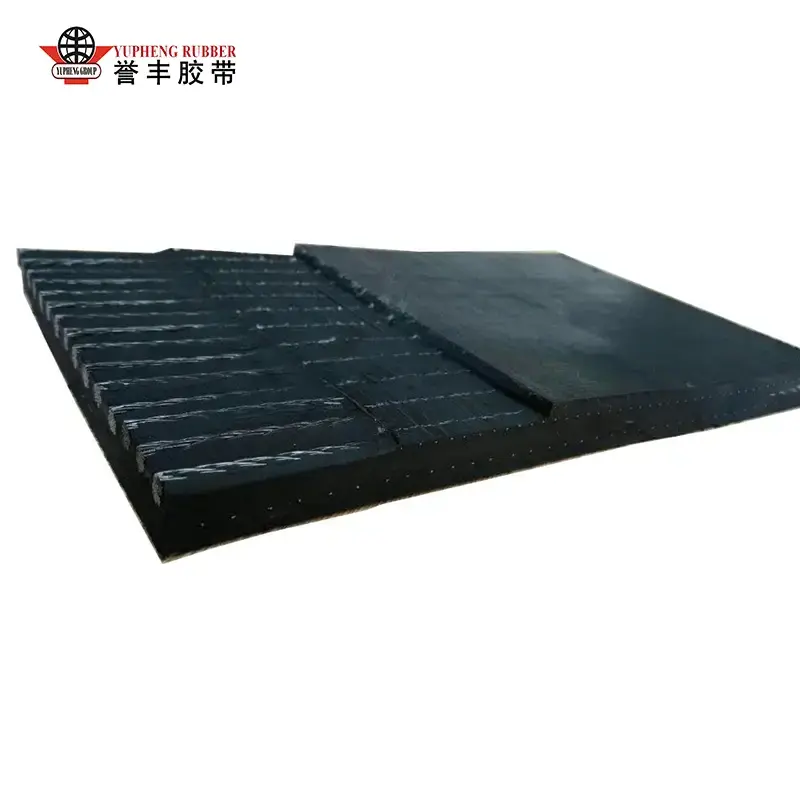
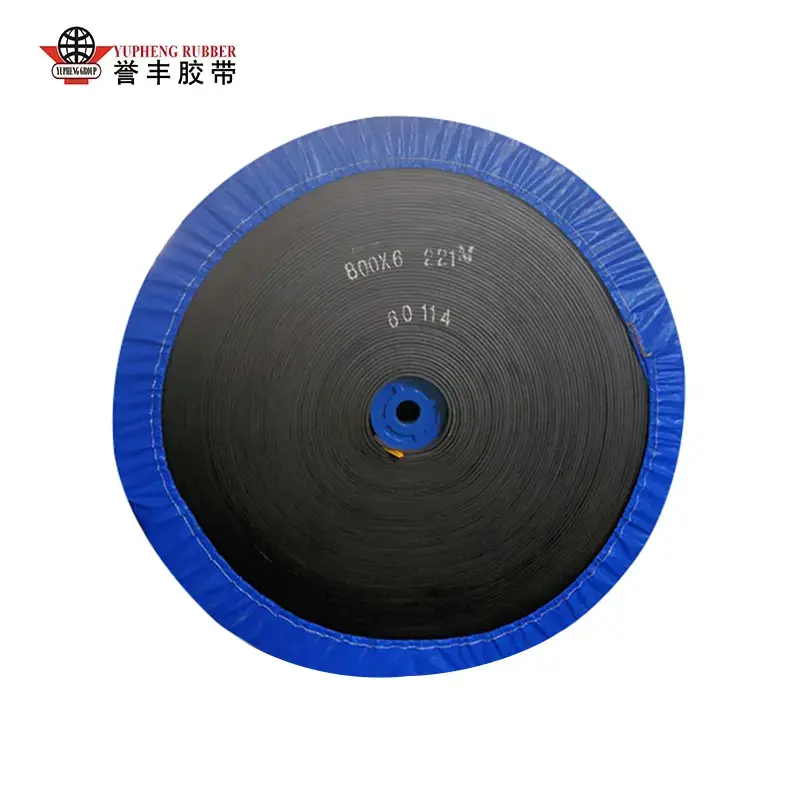
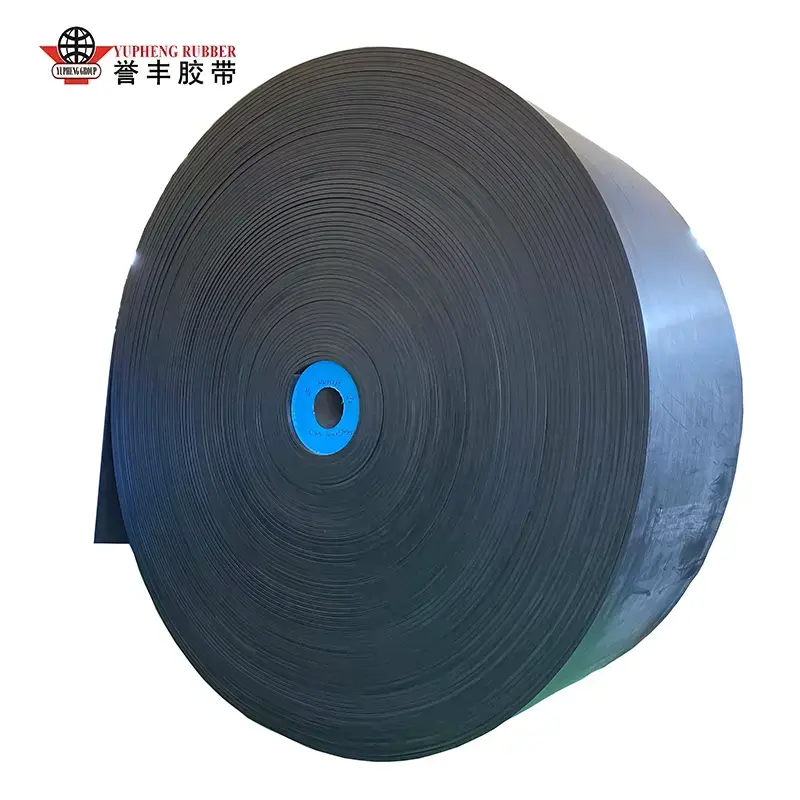
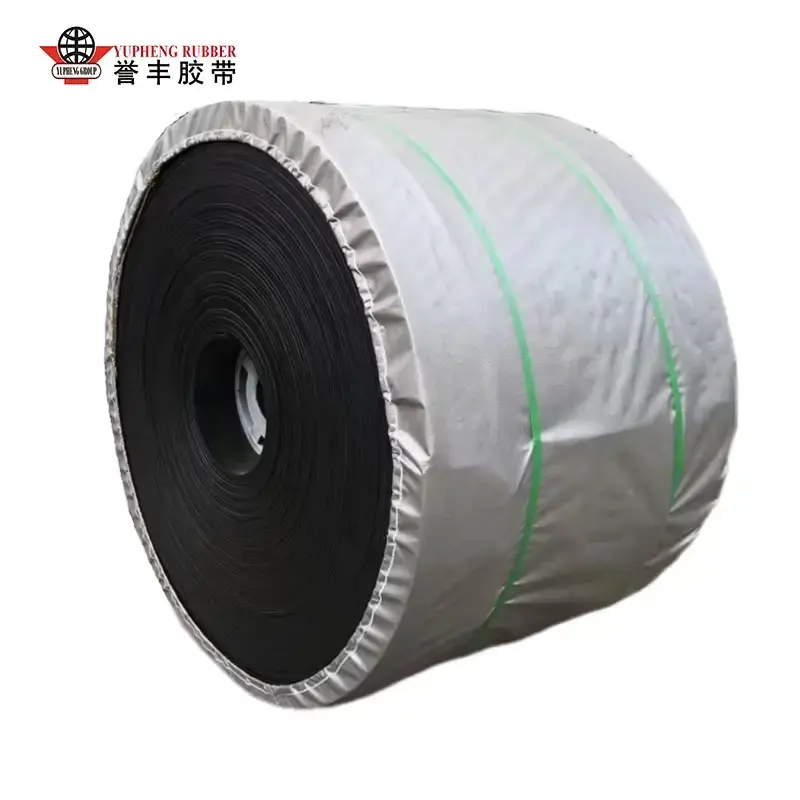
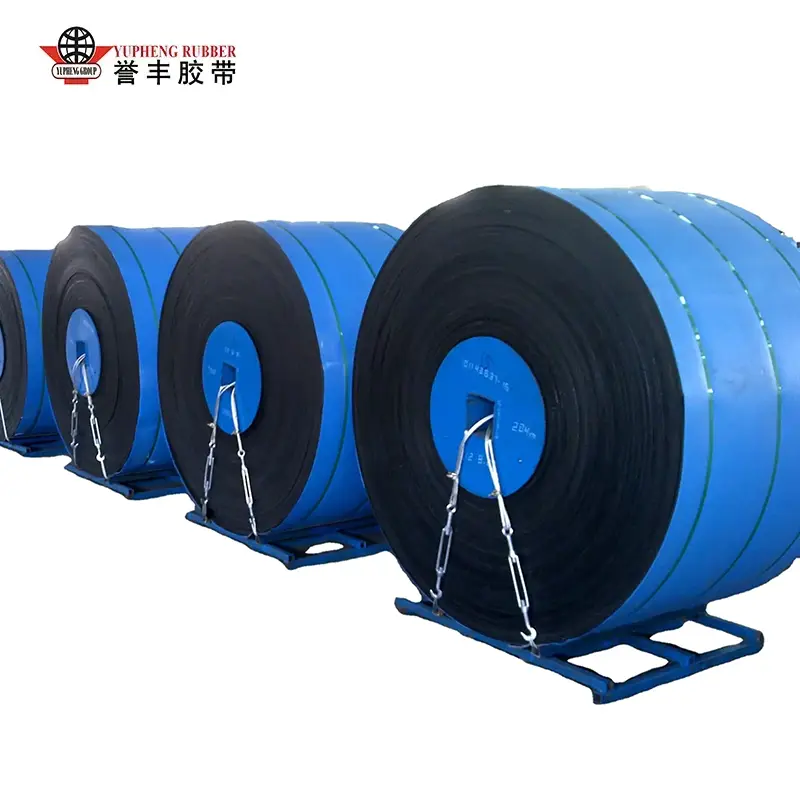
Acid and Alkali Resistant Conveyor Belt
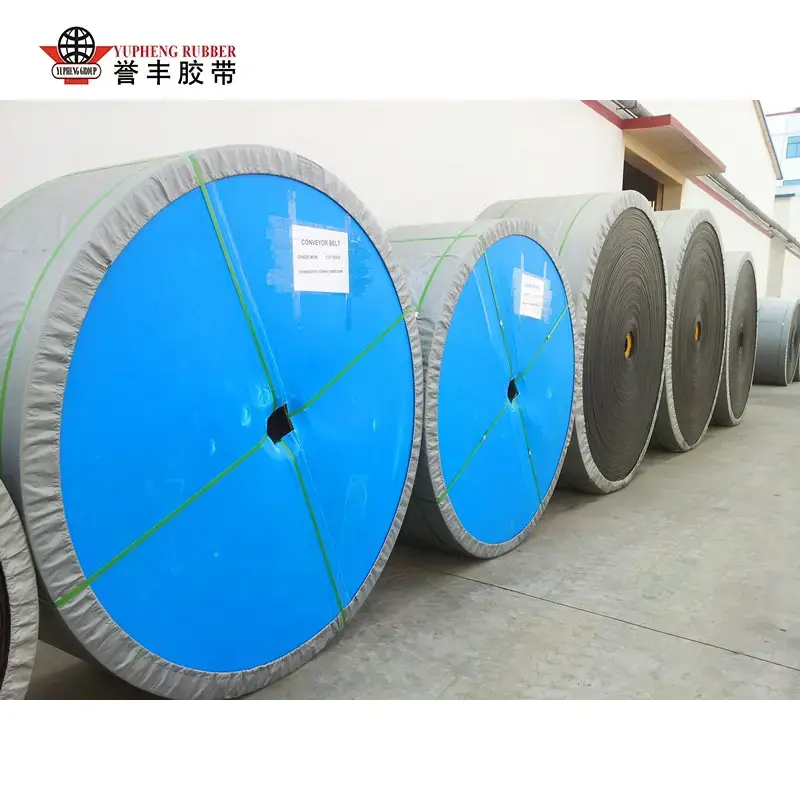
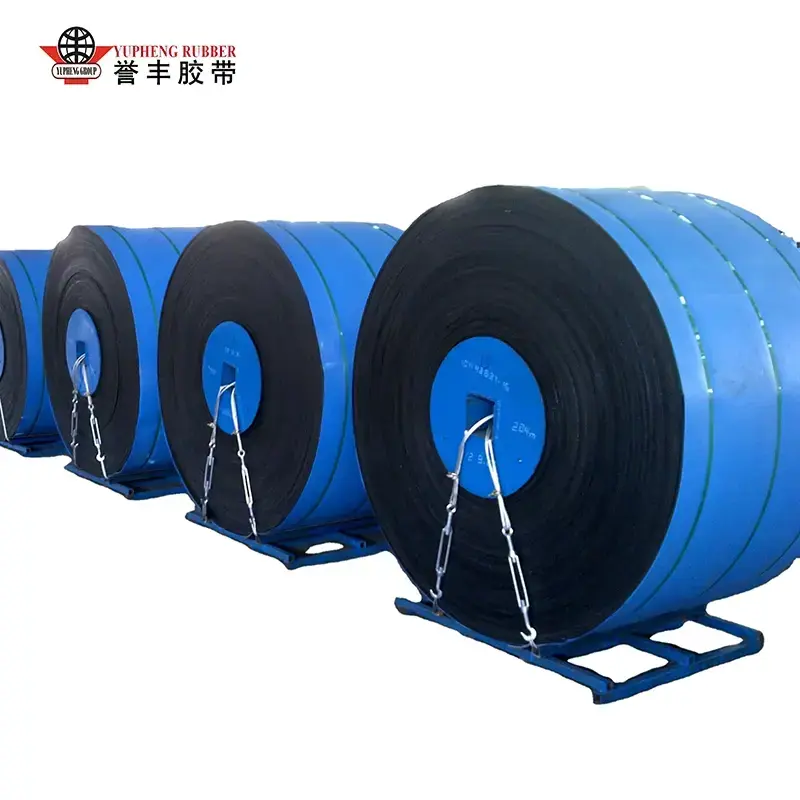
YUFENG Acid and Alkali Resistant Conveyor Belt is specially designed for transporting acidic, alkaline and chemically corrosive materials in demanding industrial environments. It is widely used in chemical plants, electroplating facilities, mining operations, metallurgy and wastewater treatment systems where ordinary conveyor belts often experience rapid degradation.
As a professional Acid and Alkali Resistant Conveyor Belt manufacturer and factory, YUFENG provides Medium and Heavy-duty grades with customized specifications, helping customers reduce unexpected downtime, replacement frequency and maintenance costs in corrosive material handling applications.
Unlike standard rubber conveyor belts that fail due to swelling, cracking, chemical penetration and layer separation, YUFENG develops corrosion-resistant conveyor belts with a complete chemical protection structure. Through 18 years of rubber manufacturing experience, YUFENG combines CR (chloroprene rubber) and IIR (butyl rubber) composite formulas, chemical-resistant bonding technology and chemically stabilized EP fabric reinforcement to provide stable conveying performance in harsh chemical environments.
Why Do Chemical Conveyor Belts Fail?
Many users believe that conveyor belt failure in chemical environments is only related to rubber surface resistance. However, actual industrial failures usually involve multiple factors, including rubber swelling, chemical penetration, bonding degradation, carcass weakening and accelerated aging.
When chemicals continuously attack the belt surface, ordinary rubber compounds may lose elasticity and mechanical strength. At the same time, chemical penetration into the bonding layer can cause internal separation between rubber and reinforcement fabric, eventually leading to belt failure.
YUFENG focuses on solving these combined failure mechanisms by developing a complete chemical protection system covering the rubber cover layer, bonding interface and internal reinforcement structure.
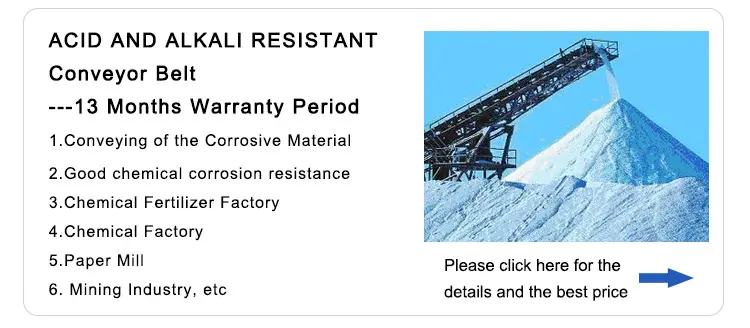
Multi-Layer Chemical Protection Structure
1. CR + IIR Composite Chemical Resistant Cover Rubber
The cover rubber is the first protection barrier against acidic and alkaline materials. YUFENG Acid and Alkali Resistant Conveyor Belt adopts CR (chloroprene rubber) and IIR (butyl rubber) composite formulas with chemical-resistant fillers and anti-aging additives.
This advanced rubber formulation improves resistance against sulfuric acid, hydrochloric acid, sodium hydroxide and other common industrial chemicals. It reduces surface cracking, swelling and chemical penetration while maintaining flexibility during continuous operation.
YUFENG provides different rubber grades according to working conditions. The Medium grade is suitable for pH 4–10 chemical environments with concentration up to 20%, while the Heavy-duty grade is designed for stronger corrosive conditions with pH 2–12 and concentration up to 50%. After 168 hours of chemical immersion testing, tensile strength retention remains ≥75%.
2. Chemical Resistant Bonding Interface
The bonding layer plays an important role in maintaining conveyor belt reliability. In chemical applications, conventional adhesive systems may lose strength after long-term exposure, causing rubber layer separation and structural damage.
YUFENG applies a specially developed chemical-resistant bonding system combined with double-vulcanization technology. This improves bonding stability between rubber layers and reinforcement fabric, reducing the risk of delamination caused by chemical penetration.
After 168 hours of chemical immersion testing, YUFENG belts maintain interlayer adhesion strength ≥1.8N/mm, ensuring stable operation under corrosive working conditions.
3. Chemical-Stabilized EP Fabric Reinforcement
The carcass structure determines the tensile strength and dimensional stability of the conveyor belt. Traditional reinforcement materials may gradually lose strength after long-term chemical exposure.
YUFENG uses EP fabric reinforcement treated with chemical-stabilizing polymers. This structure improves resistance against fiber degradation and maintains strength retention ≥85% after chemical exposure, while providing excellent dimensional stability and troughability during continuous conveying operations.
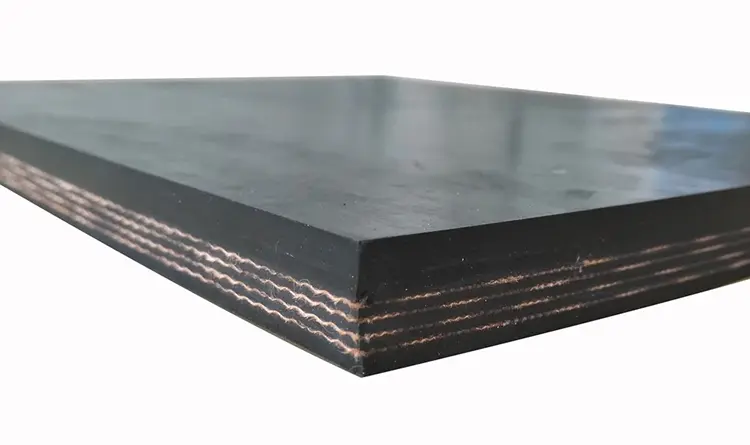
Technical Parameters
YUFENG selects suitable belt grades according to chemical type, concentration, temperature and operating conditions.
|
Chemical Material |
Concentration |
Operating Temperature |
Recommended Grade |
Application |
|
Sulfuric Acid (H₂SO₄) |
≤20% |
≤40℃ |
Medium Grade |
General chemical conveying |
|
Sulfuric Acid (H₂SO₄) |
20–50% |
≤40℃ |
Heavy-duty Grade |
Strong corrosive materials |
|
Hydrochloric Acid (HCl) |
≤30% |
≤40℃ |
Medium Grade |
Chemical processing |
|
Sodium Hydroxide (NaOH) |
≤30% |
≤50℃ |
Medium Grade |
Alkali material handling |
|
Sodium Hydroxide (NaOH) |
30–50% |
≤50℃ |
Heavy-duty Grade |
High concentration alkali |
|
Acidic Mine Water |
pH 2–4 |
≤40℃ |
Heavy-duty Grade |
Mining applications |
|
Industrial Wastewater |
pH 3–11 |
≤40℃ |
Medium Grade |
Wastewater treatment |
|
Electroplating Solution |
Mixed chemical environment |
≤40℃ |
Heavy-duty Grade |
Surface treatment |
Actual chemical resistance depends on chemical composition, concentration, temperature and exposure duration. For special chemical environments, YUFENG provides compatibility testing and customized formulation recommendations before production.
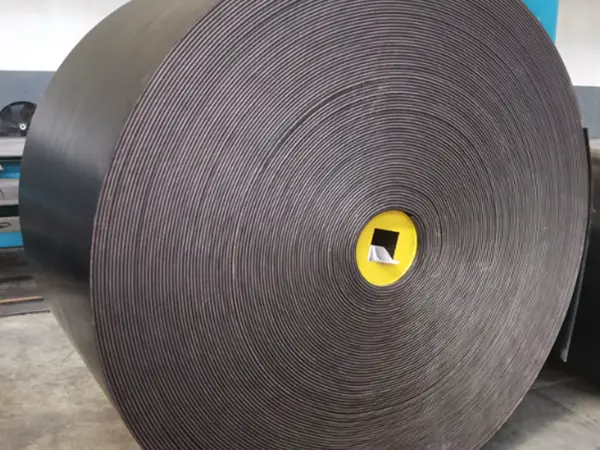
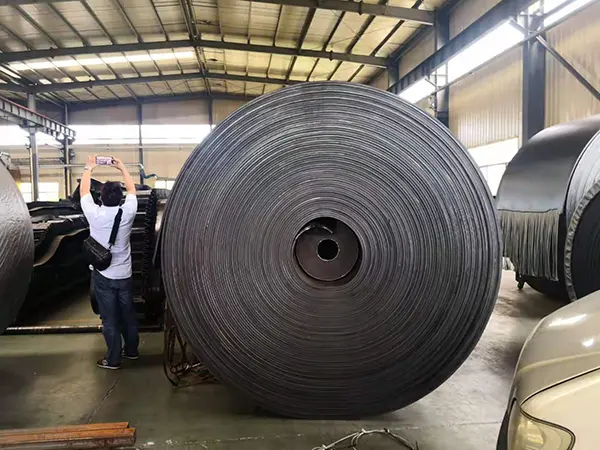
Performance Validation
1. Laboratory Chemical Immersion Test
To verify the long-term chemical resistance performance, YUFENG conducted laboratory immersion testing under simulated industrial conditions.
The test was performed using 25% sulfuric acid immersion for 168 hours at 40℃. Samples were evaluated through tensile strength retention, elongation change and interlayer adhesion testing to analyze structural stability after chemical exposure.
The results showed that YUFENG Heavy-duty Acid and Alkali Resistant Belt achieved only 22% tensile strength loss, 8% elongation increase and maintained 1.8N/mm interlayer adhesion after testing, demonstrating strong resistance against chemical degradation.
2. Competitor Performance Comparison
To evaluate practical advantages, YUFENG compared its Heavy-duty Acid and Alkali Resistant Belt with commonly used market alternatives under the same chemical immersion conditions.
|
Performance Item |
Competitor A General Rubber Belt |
Competitor B Imported Chemical Belt |
YUFENG Heavy-duty Acid-Alkali Resistant Conveyor Belt |
|
Test Condition |
25% Sulfuric Acid / 168h / 40℃ |
25% Sulfuric Acid / 168h / 40℃ |
25% Sulfuric Acid / 168h / 40℃ |
|
Tensile Strength Loss |
65% |
28% |
22% |
|
Elongation Increase |
35% |
12% |
8% |
|
Interlayer Adhesion |
0.4N/mm |
1.2N/mm |
1.8N/mm |
|
Overall Performance |
Severe degradation |
Good but higher cost |
Stable performance and cost-effective |
The comparison demonstrates that YUFENG provides better structural stability than ordinary rubber belts and achieves comparable performance to imported chemical-resistant belts with more competitive manufacturing advantages.
Field Validation and Real Application Experience
1. 12-Month Field Tracking Verification
Laboratory testing can verify material performance, but real industrial environments involve complex factors such as continuous loading, chemical concentration fluctuations, temperature changes and mechanical impact. To further validate long-term reliability, YUFENG conducted a 12-month field tracking verification program in actual chemical conveying applications.
During the tracking period, YUFENG engineering teams monitored belt surface condition, rubber aging status, edge sealing performance, structural integrity and daily operating stability. The verification focused on whether the belt could maintain corrosion resistance and mechanical performance under continuous industrial operation.
After 12 months of field operation, YUFENG Acid and Alkali Resistant Conveyor Belt maintained stable conveying performance without major cracking, delamination or abnormal strength degradation. The tracking results confirmed that the multi-layer chemical protection structure effectively reduced belt replacement frequency and unexpected production downtime in corrosive working environments.
Real Customer Application Cases
1. Sulfuric Acid Sludge Conveying Project in Shandong Chemical Plant
A chemical plant in Shandong previously used conventional rubber conveyor belts for transporting sulfuric acid sludge. Due to continuous exposure to acidic materials, the belts experienced surface cracking, rubber swelling and layer separation after only 2–3 months of operation, resulting in frequent replacement and increased maintenance costs.
In 2023, the customer adopted YUFENG Heavy-duty Acid and Alkali Resistant Belt. After installation, the average service life increased to 11 months, replacement frequency decreased by 65%, and annual belt purchasing and safety-related costs were reduced by approximately USD 38,000.
After successful operation verification, the customer upgraded all five conveying lines and established a three-year supply cooperation agreement with YUFENG.
2. Electroplating Wastewater Treatment Project in Guangdong
A large electroplating industrial park required conveyor belts for wastewater treatment systems containing mixed acids, alkalis and heavy metal ions. Imported chemical-resistant belts provided reliable performance but involved high procurement costs, while low-cost alternatives failed within 1–2 months.
Based on the customer’s chemical environment, YUFENG developed a customized Medium-grade Acid and Alkali Resistant Conveyor Belt solution. After on-site testing, the belt operated continuously for 9 months with stable performance, achieving imported belt-level reliability at less than half of the cost.
The successful application helped the customer improve equipment reliability and introduced YUFENG’s solution to other factories within the industrial park.
Common Failure Mode Analysis and YUFENG Solutions
1. Rubber Surface Cracking and Hardening
Continuous exposure to acidic and alkaline materials can destroy rubber molecular structures, causing surface hardening, cracks and reduced flexibility. Once the protective rubber layer is damaged, chemicals can quickly penetrate into the internal structure and accelerate belt failure.
YUFENG solution: The CR + IIR composite chemical-resistant cover rubber improves resistance against chemical attack while maintaining elasticity and mechanical performance during long-term operation.
2. Interlayer Delamination Caused by Chemical Penetration
Chemical materials may gradually penetrate through the rubber cover and weaken the bonding interface between rubber layers and reinforcement fabric. This can cause internal separation and sudden belt failure.
YUFENG solution: The chemical-resistant bonding system and double-vulcanization process improve bonding stability. After chemical immersion testing, the interlayer adhesion remains ≥1.8N/mm, reducing delamination risks under corrosive conditions.
3. Chemical Penetration Through Belt Edges
Belt edges are vulnerable areas in corrosive applications. Without proper protection, chemicals can enter through exposed edges and gradually damage the carcass structure.
YUFENG solution: Molded sealed edge technology and chemical-impermeable side protection reduce edge penetration and improve overall belt durability.
4. Accelerated Aging Under Chemical and Ozone Exposure
Many outdoor chemical conveying systems face combined chemical corrosion and ozone aging. This combination can accelerate rubber deterioration and shorten service life.
YUFENG solution: The dual anti-chemical and anti-ozone protection system improves aging resistance and helps maintain stable belt performance in outdoor and industrial environments.
5. Internal Strength Loss Due to Fiber Degradation
When chemicals penetrate into the carcass layer, reinforcement fibers may gradually lose strength, resulting in belt elongation, deformation and reduced load capacity.
YUFENG solution: Chemical-stabilized EP fabric reinforcement maintains fiber strength retention ≥85% after chemical exposure, ensuring reliable tensile performance and dimensional stability.
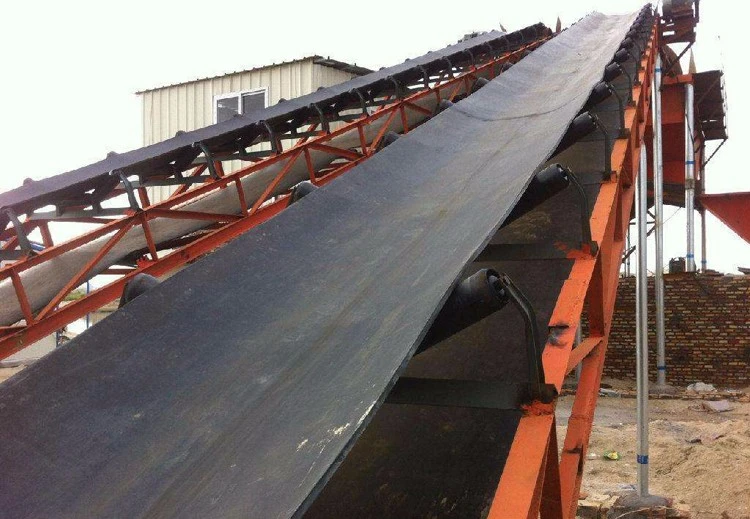
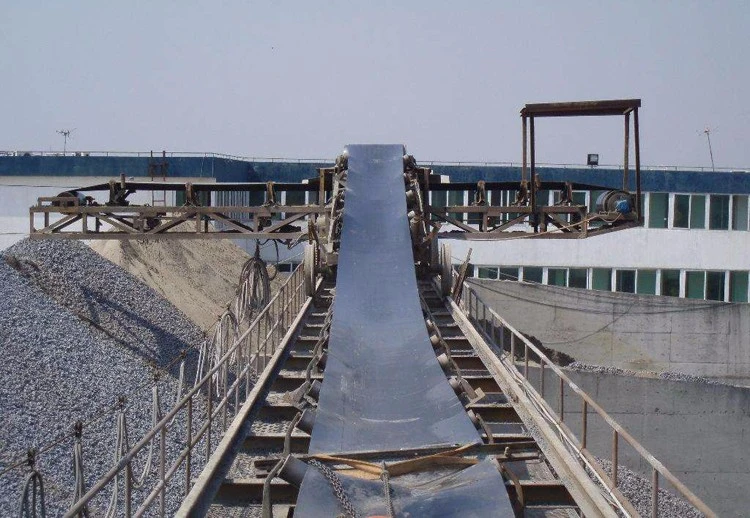
Selection Guide
1. Select According to Chemical Type and Concentration
Selecting the correct Acid and Alkali Resistant Conveyor Belt requires evaluating the actual working environment, including chemical type, concentration, operating temperature, exposure duration and material characteristics.
For general acid and alkali conveying applications with moderate concentration, YUFENG Medium-grade belts provide reliable protection. For high concentration chemicals, strong corrosive materials or continuous chemical exposure, Heavy-duty belts are recommended to provide stronger resistance and longer service life.
2. Select the Correct Belt Structure and Specification
Different conveying conditions require different belt structures. YUFENG supports customized solutions including belt width from 500mm to 3200mm, 3–8 fabric plies, total thickness from 5–30mm, customized cover thickness and molded sealed edge designs.
For mixed chemicals or unknown chemical conditions, customers can provide material samples for compatibility testing before mass production. YUFENG engineers analyze chemical characteristics and recommend the most suitable rubber formula and belt structure.
3. Installation and Maintenance Recommendations
Proper installation and regular maintenance are essential for maximizing conveyor belt service life. Customers should ensure accurate belt alignment, use suitable conveyor components and regularly inspect belt surfaces and edges.
Removing chemical residues, repairing minor surface damage in time and maintaining proper tension can further reduce unexpected failures and improve operating reliability.
| SPECIFICATION | |||||||||
| Fabric Specs | Ply Thickness (mm/P) | Strength Series(N/mm) | Cover Thickness(mm) | Width(mm) | |||||
| 2ply | 3ply | 4ply | 5ply | 6ply | Top | Bottom | |||
| EP100 | 1 | 200 | 300 | 400 | 500 | 600 | 2.0-30 | 1.5-20 | 300-2400 |
| EP125 | 1 | 250 | 375 | 500 | 625 | 750 | 2.0-30 | 1.5-20 | 300-2400 |
| EP150 | 1.1 | 300 | 450 | 600 | 750 | 900 | 2.0-30 | 1.5-20 | 300-2400 |
| EP200 | 1.2 | 400 | 600 | 800 | 1000 | 1200 | 2.0-30 | 1.5-20 | 300-2400 |
| EP250 | 1.4 | 500 | 750 | 1000 | 1250 | 1500 | 2.0-30 | 1.5-20 | 300-2400 |
| EP300 | 1.6 | 600 | 900 | 1200 | 1500 | 1800 | 2.0-30 | 1.5-20 | 300-2400 |
| EP350 | 1.8 | 700 | 1050 | 1400 | 1750 | 2100 | 2.0-30 | 1.5-20 | 300-2400 |
| EP400 | 1.9 | 800 | 1200 | 1600 | 2000 | 2400 | 2.0-30 | 1.5-20 | 300-2400 |
| EP500 | 2.1 | 1000 | 1500 | 2000 | 2500 | 3000 | 2.0-30 | 1.5-20 | 300-2400 |
| EP630 | 2.4 | 1260 | 1890 | 2520 | 3150 | 3780 | 2.0-30 | 1.5-20 | 300-2400 |
YUFENG Manufacturing Capability and Quality Assurance
1. Professional Production Capability
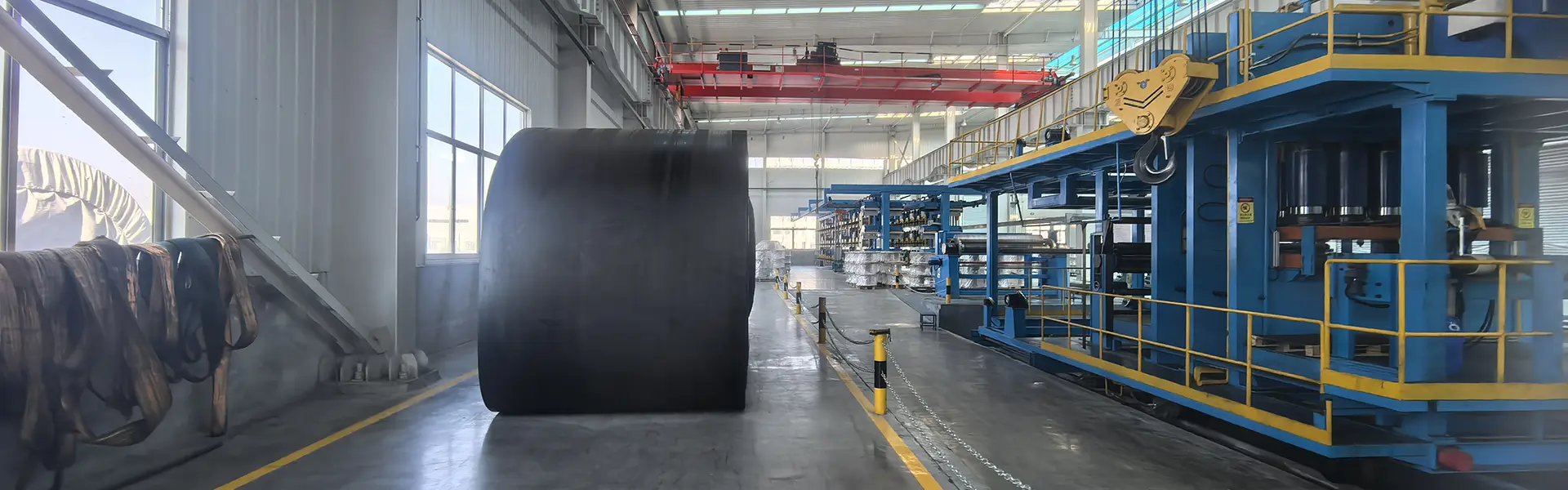
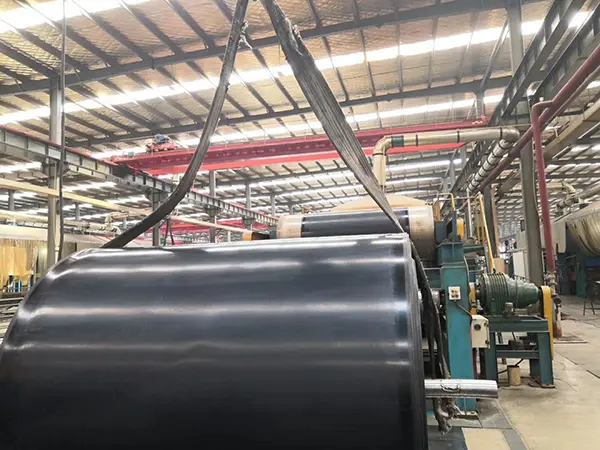
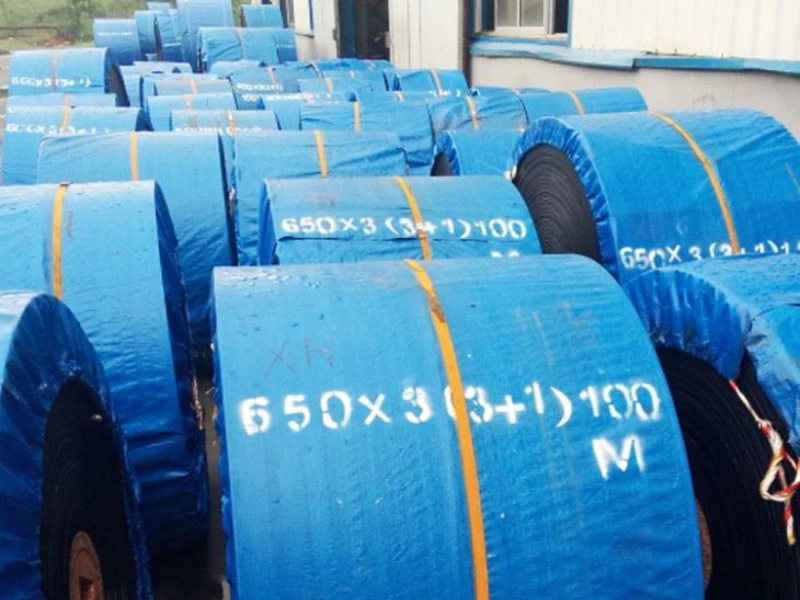
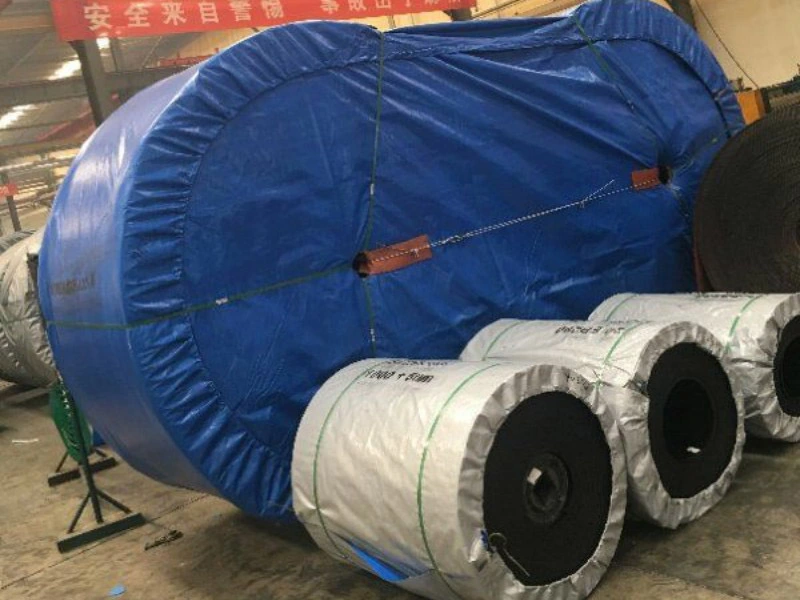
YUFENG operates dedicated Acid and Alkali Resistant Conveyor Belt production lines with fully automatic vulcanization workshops. The factory is equipped with five automatic vulcanization production lines and achieves a monthly production capacity of 120,000 meters.
This production capability allows YUFENG to support large-volume international orders while maintaining flexibility for customized belt development and trial production requirements.
2. Quality Control and International Standards
Every YUFENG Acid and Alkali Resistant Belt undergoes strict quality verification before shipment, including chemical immersion testing, tensile strength testing, interlayer adhesion testing and ozone aging testing.
YUFENG products comply with ISO9001 quality management requirements and are supported by SGS chemical resistance testing, BV factory audit and DIN standard verification, ensuring consistent quality for global industrial customers.
Customer Assurance and Service Support
1. 12-Month Product Warranty
To reduce customer purchasing risks, YUFENG provides a 12-month warranty for Acid and Alkali Resistant Conveyor Belt products.
The warranty covers manufacturing defects and quality-related issues under normal operating conditions. During the warranty period, YUFENG provides technical support for installation guidance, operating recommendations and problem analysis to help customers maintain stable conveyor performance.
2. Sample Testing Policy
Before placing bulk orders, customers can request samples for chemical compatibility evaluation and application verification.
YUFENG supports sample testing to help customers confirm belt performance under actual working conditions. Customers can provide chemical information, operating temperature and conveying conditions, allowing YUFENG engineers to recommend suitable belt grades and structures before mass production.
For special chemical applications, YUFENG can provide customized formulation suggestions based on customer testing requirements.
Frequently Asked Questions
1. How Do I Select the Right Acid and Alkali Resistant Belt for My Chemical Material?
The correct conveyor belt selection depends on the type of chemical, concentration level, operating temperature, conveying material and exposure time. Different acids, alkalis and chemical substances may react differently with rubber compounds.
YUFENG evaluates chemical properties and working conditions before recommendation, including corrosive medium type, pH value, material temperature and conveyor operation cycle, to provide a suitable rubber formulation and reinforcement structure.
2. Can Acid and Alkali Resistant Conveyor Belt Be Used in Wet and Corrosive Environments?
Yes. YUFENG Acid and Alkali Resistant Belt is specially developed for continuous operation in humid, chemical and corrosive environments where ordinary rubber belts may experience swelling, cracking or surface degradation.
The optimized rubber compound provides improved resistance against moisture penetration, chemical erosion and aging, making it suitable for chemical plants, fertilizer production, salt processing and wastewater treatment applications.
3. What Factors Affect the Service Life of Chemical Resistant Conveyor Belt?
The service life of a chemical resistant conveyor belt is affected by several operating factors, including chemical concentration, contact duration, working temperature, conveyed material abrasiveness and conveyor maintenance conditions.
To maximize belt lifespan, users should avoid long-term exposure beyond the recommended chemical resistance range, regularly check surface changes such as swelling or cracks, and select the correct belt specification according to actual working conditions.
4. What Is the Difference Between Acid Resistant and Alkali Resistant Conveyor Belts?
Acid resistant and alkali resistant conveyor belts use different rubber formulations to protect against different chemical environments. Acid-resistant belts are mainly designed for acidic materials, while alkali-resistant belts are optimized for alkaline substances.
For applications involving mixed chemical exposure, high concentration solutions or unknown corrosive materials, YUFENG can provide customized compound recommendations based on laboratory compatibility evaluation.
Hot Tags: acid and alkali resistant conveyor belt, chemical resistant conveyor belt, corrosion resistant conveyor belt
Send Inquiry
Contact Info
-
Address
Xiagou Village, West Coast New Area, Huangdao District, Qingdao City, Shandong Province, China
-
Tel
-
Email
Get a Tailored Quote for Your Conveyor Belt Project
Why Choose Qingdao Zhongye Yufeng Tape:
✔ Full range of belts — Steel cord, fabric, pipe, sidewall, heat-resistant, PVC/PVG mining, chevron, oil-resistant and more.
✔ Stable quality & competitive prices — ISO9001, CE, MSHA, TUV certified; ex-factory prices with fast delivery.
✔ Free sample testing — Verify quality before you commit; customized production supported.
✔ 14 years' experience — Serving coal, mining, metallurgy, port, power, construction and grain industries worldwide.
Ready to get started? Complete the form below and our team will respond within 24 hours with a custom recommendation.
News Recommendations