English
- English
- Español
- Português
- русский
- Français
- 日本語
- Deutsch
- tiếng Việt
- Italiano
- Nederlands
- ภาษาไทย
- Polski
- 한국어
- Svenska
- magyar
- Malay
- বাংলা ভাষার
- Dansk
- Suomi
- हिन्दी
- Pilipino
- Türkçe
- Gaeilge
- العربية
- Indonesia
- Norsk
- تمل
- český
- ελληνικά
- український
- Javanese
- فارسی
- தமிழ்
- తెలుగు
- नेपाली
- Burmese
- български
- ລາວ
- Latine
- Қазақша
- Euskal
- Azərbaycan
- Slovenský jazyk
- Македонски
- Lietuvos
- Eesti Keel
- Română
- Slovenski
- मराठी
- Srpski језик
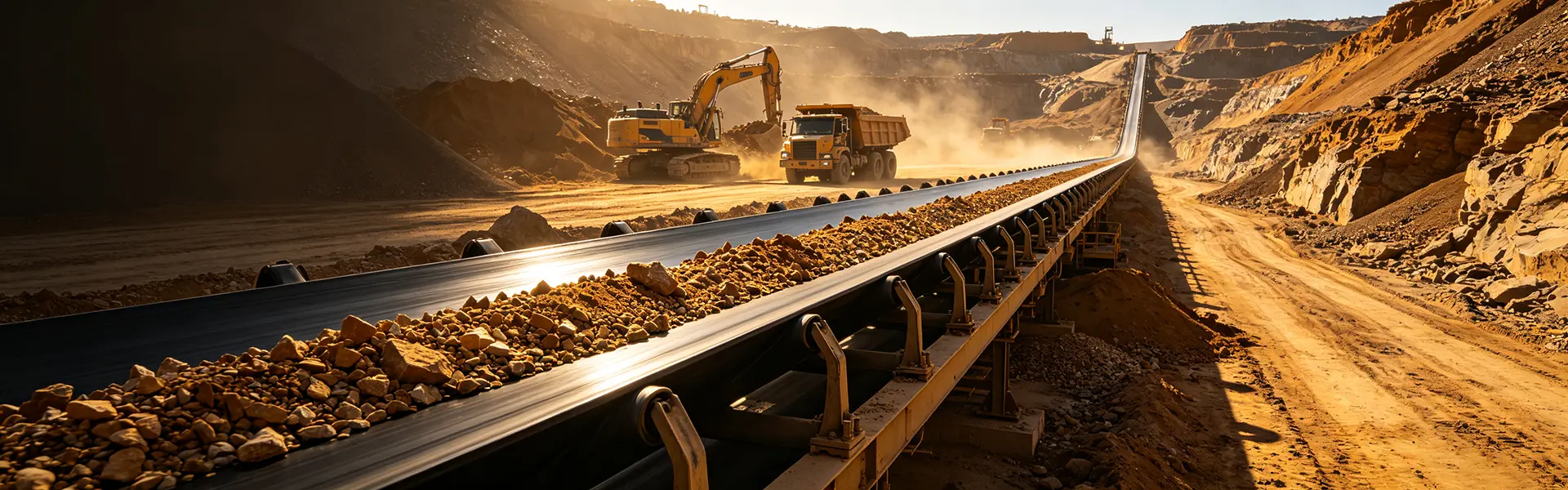
Core Construction Determines Reliability of General Steel Cord Conveyor Belts for Heavy-Duty Bulk Handling
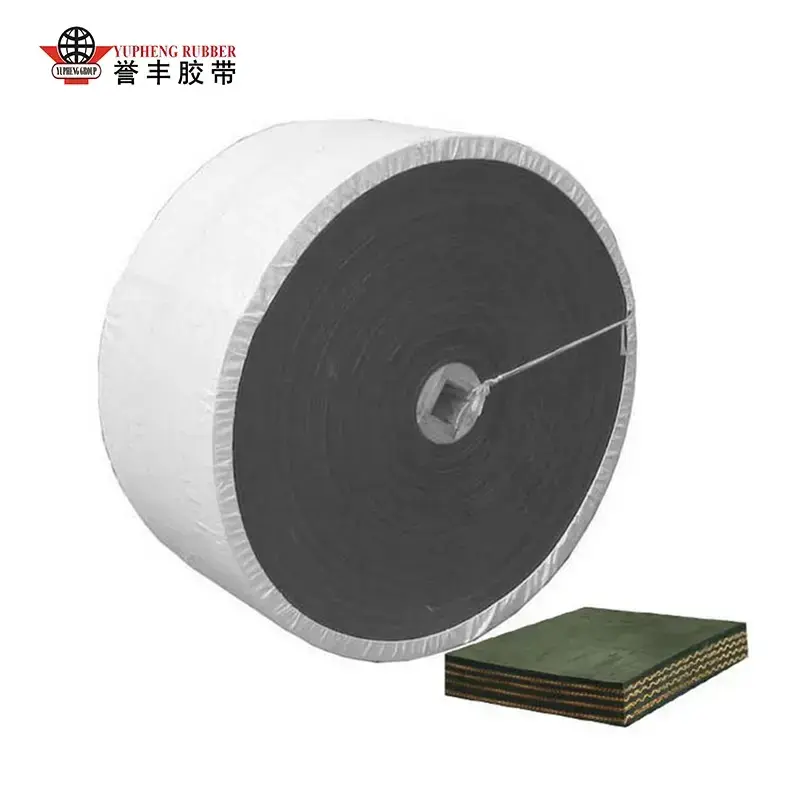
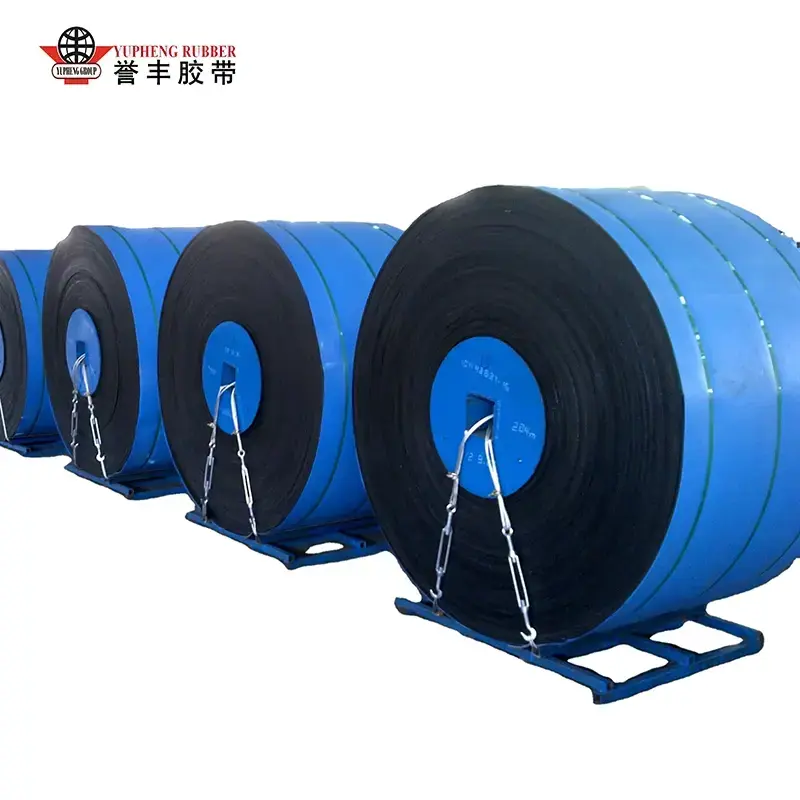
General Steel Cord Conveyor Belts are widely used in heavy-duty bulk handling systems that require high tensile strength, low elongation, and reliable long-distance material transportation. Their performance depends not only on the rated tensile strength, such as the ST grade, but also on the quality of the internal construction, including steel cord arrangement, rubber-to-cord adhesion, cover rubber compounds, edge protection, and splice integrity.
For mining, cement production, and bulk port operations, these structural factors can directly affect belt durability, maintenance requirements, and the risk of unplanned shutdowns. Understanding how each component contributes to overall performance helps buyers evaluate conveyor belts according to actual operating conditions rather than tensile ratings or purchase price alone.
How Internal Construction Affects Belt Performance
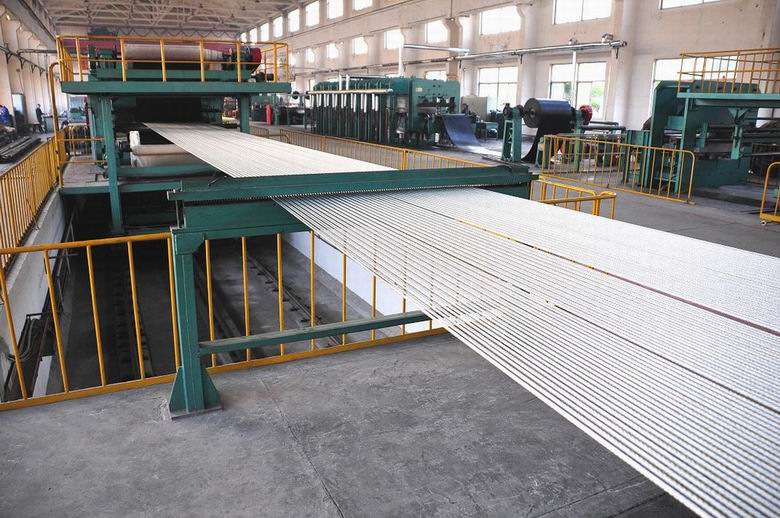
Steel Cords Carry the Main Tensile Load
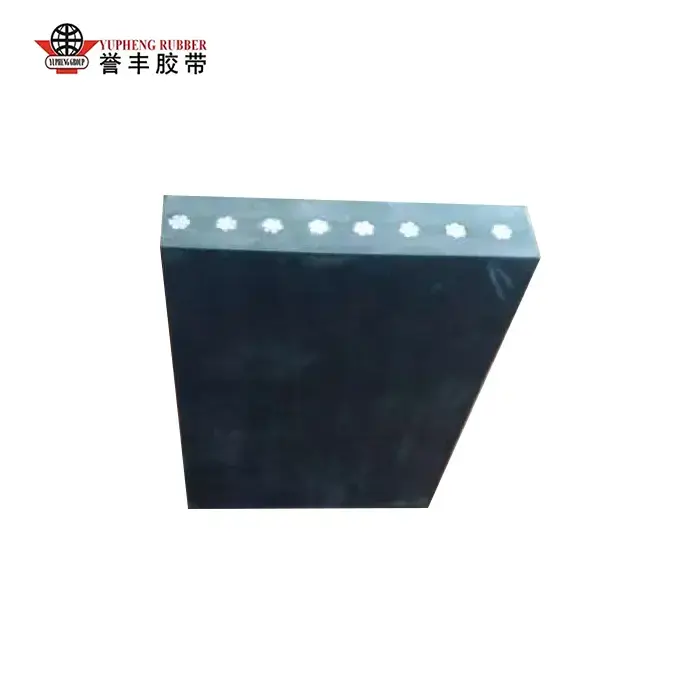
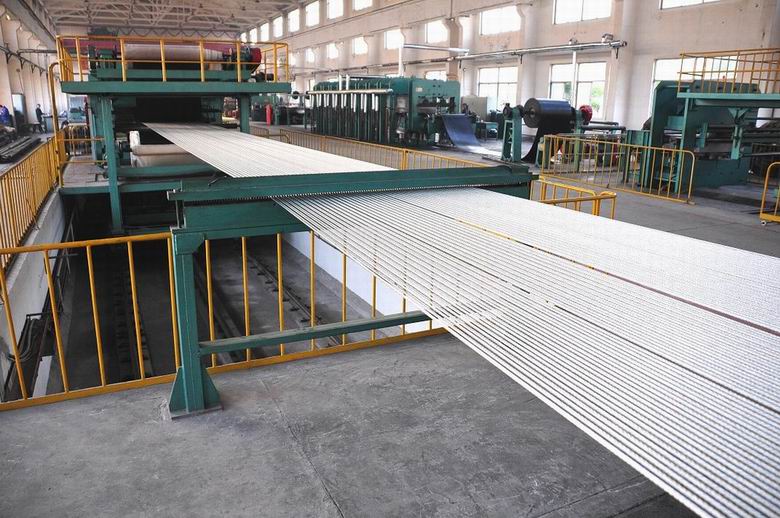
Longitudinal steel cords provide the main tensile reinforcement in a steel cord conveyor belt. Their strength, spacing, alignment, and distribution influence load-bearing capacity and elongation behavior. Consistent cord positioning helps the belt maintain structural stability under sustained tension and repeated operation.
Rubber-to-Cord Adhesion Prevents Internal Separation
Bonding rubber surrounds the steel cords and helps maintain their position within the belt carcass. Effective adhesion is important for transferring forces between the cords and rubber layers while helping limit moisture penetration and corrosion-related damage.
If the steel cords and surrounding rubber do not bond adequately, internal separation may develop during service. Such damage can remain difficult to identify through surface inspection alone, making adhesion quality and manufacturing consistency important considerations when evaluating a supplier.
Cover Rubber Protects Against Wear and Impact
The top cover rubber is exposed to conveyed materials and must withstand abrasion, cutting, and impact according to the application. The bottom cover experiences repeated contact and flexing around idlers and pulleys. Selecting suitable rubber compounds for the operating environment can help manage wear and support longer service life.
Edge Protection and Splice Quality Matter
Belt edges and splice joints are also important areas to inspect. Edge damage can expose internal components to external conditions, while poorly executed splices can become weak points under operating tension. Appropriate edge construction, controlled vulcanization, and qualified splice procedures help maintain belt integrity throughout its service life.
Where Steel Cord Conveyor Belts Are Used
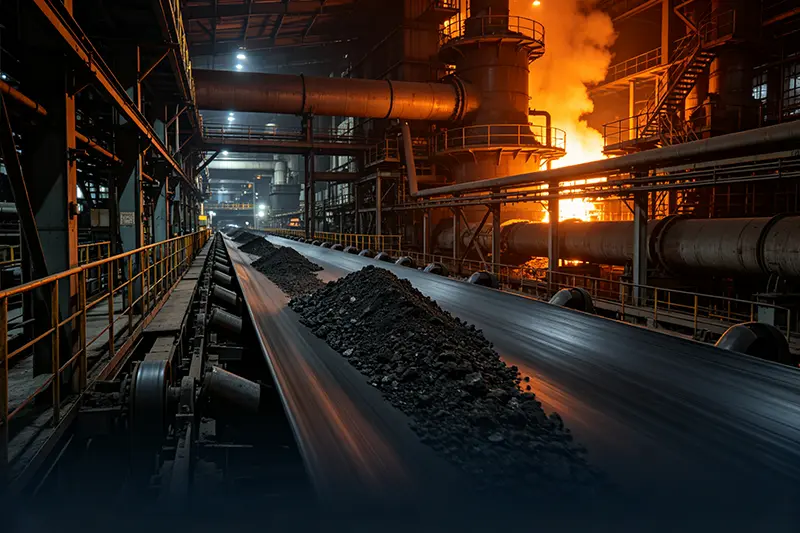
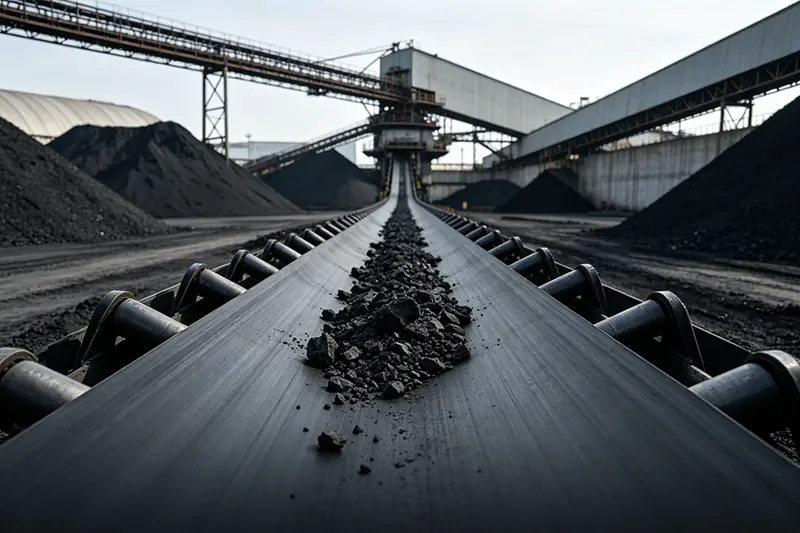
Steel cord conveyor belts are commonly selected for heavy-duty applications involving long conveying distances, high material throughput, or demanding tensile requirements.
- Open-pit and underground coal mines: Support high-capacity material transportation, including long-distance main haulage systems.
- Metal mines: Handle bulk materials such as iron ore, copper ore, and manganese ore, where abrasion resistance and tensile performance must match the conveyed material and operating conditions.
- Cement plants: Transport limestone and other bulk raw materials over extended routes, including challenging terrain.
- Bulk port terminals: Support continuous loading, unloading, and transfer of high volumes of ore, coal, and other bulk commodities.
What Buyers Should Check Before Purchasing
When comparing General Steel Cord Conveyor Belts, procurement teams should consider the complete belt construction and its compatibility with the conveyor system. A higher ST rating alone does not guarantee better performance in every application.
- Steel cord arrangement: Review cord spacing, alignment, and construction consistency.
- Adhesion performance: Request relevant test data for bonding between the steel cords and rubber.
- Cover rubber properties: Match abrasion, impact, and environmental resistance to the conveyed material and working conditions.
- Edge construction: Confirm the edge design and protection requirements for the intended application.
- Splice requirements: Evaluate the recommended splicing method, vulcanization process, and installation quality controls.
- Operating conditions: Consider belt length, conveying capacity, system tension, pulley diameters, material size, and ambient conditions.
Construction Quality Is a Key Factor in Service Life
Premature steel cord conveyor belt failures may result from internal separation, corrosion, cover wear, edge damage, or splice problems. These issues can occur even when the belt's nominal tensile rating appears suitable for the application.
For this reason, buyers should assess manufacturing consistency, steel-to-rubber adhesion, vulcanization quality, and supporting inspection records alongside tensile strength and price. A well-matched belt construction, combined with proper installation and maintenance, can help reduce unexpected downtime and improve the reliability of heavy-duty bulk handling operations.
Related News
- Why Are Steel Cord Conveyor Belts Ideal for Long-Distance Conveying?
- What Makes a Special Performance Conveyor Belt Essential for Demanding Industrial Applications?
- How Does a Heat Resistant Steel Cord Conveyor Belt Improve Performance in High-Temperature Industries?
- What Makes a General Steel Cord Conveyor Belt Reliable for Heavy-Duty Operations?
- What are the application scenarios for steel cord conveyor belts?
- Advantages of Steel Cord Conveyor Belts
Leave me a message
News Recommendations