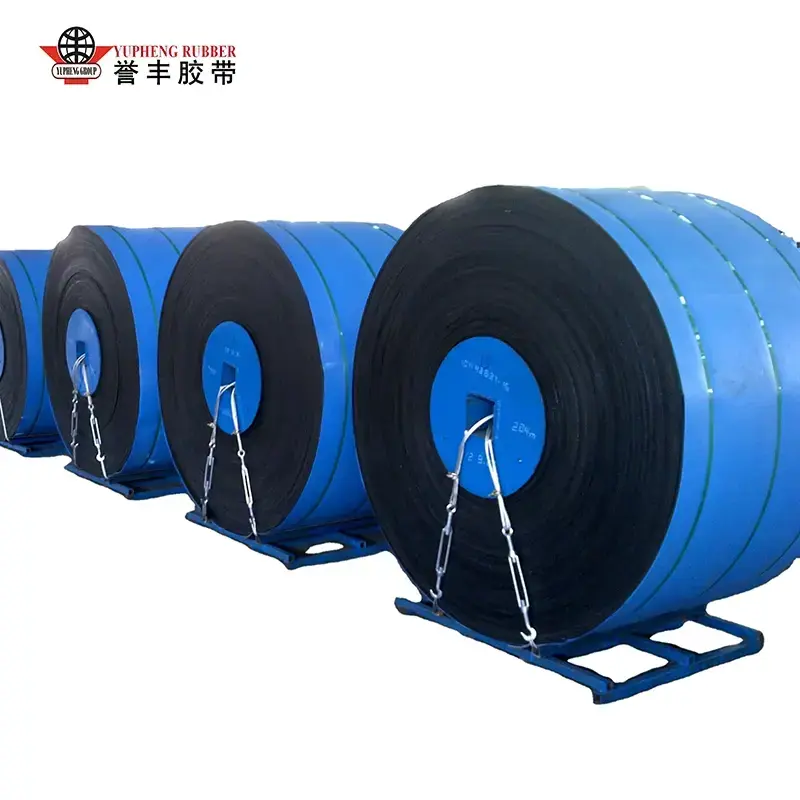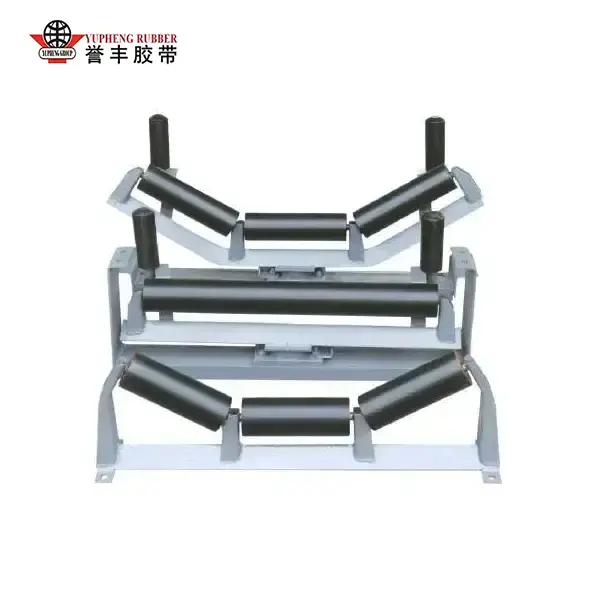
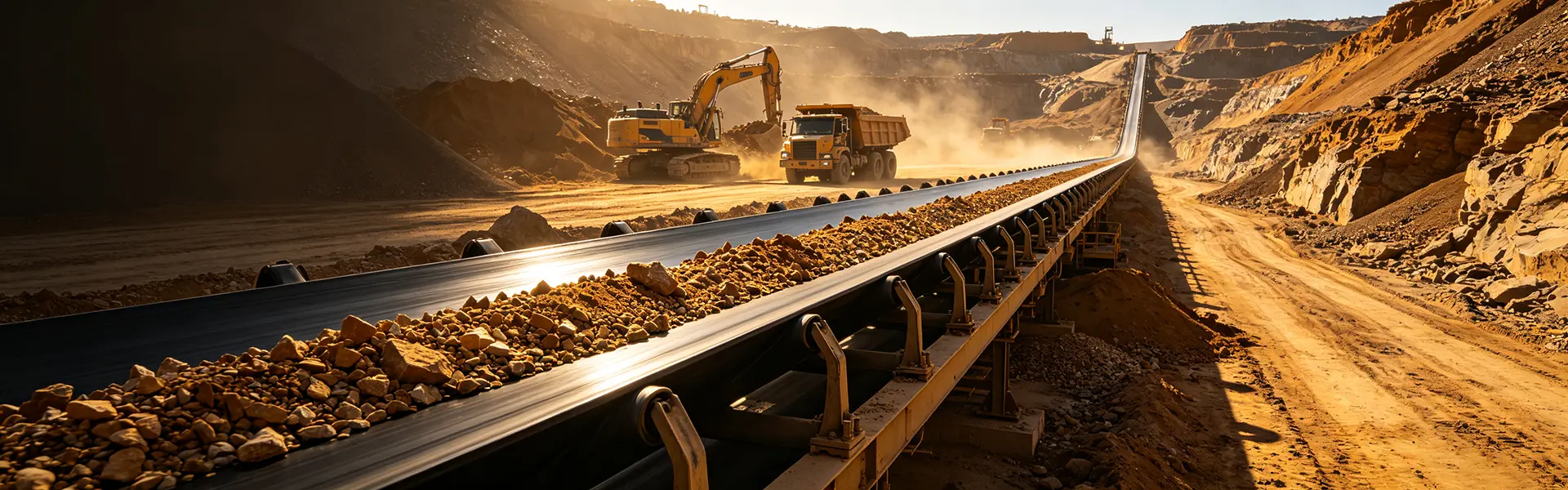
High-temperature material handling presents serious challenges for industrial conveyor systems. Excessive heat can accelerate rubber aging, reduce belt flexibility, weaken bonding performance, and increase the risk of unexpected equipment downtime. A heat resistant steel cord conveyor belt combines a heat-resistant rubber cover with a high-strength steel cord reinforcement structure, providing a practical solution for demanding applications involving hot bulk materials and long-distance transportation. This article explores its construction, working principles, major benefits, industrial applications, selection criteria, and maintenance practices to help industrial buyers make informed purchasing decisions.
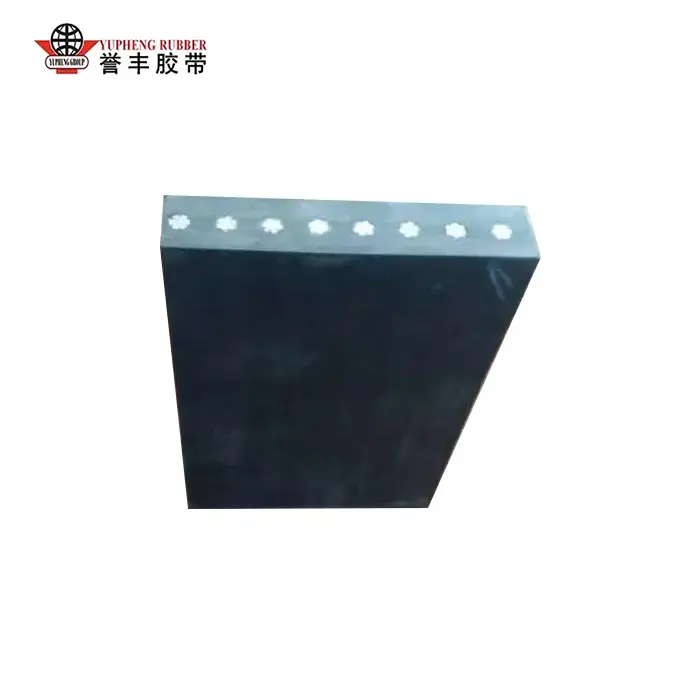
Table of Contents
- What Is a Heat Resistant Steel Cord Conveyor Belt?
- How Is the Conveyor Belt Designed for High Temperatures?
- How Does It Maintain Performance Under Heat?
- What Are the Main Advantages?
- Which Industries Need This Conveyor Belt?
- How to Choose the Right Conveyor Belt
- Steel Cord vs. Fabric Reinforced Conveyor Belts
- How to Extend Conveyor Belt Service Life
- Common Problems and Practical Solutions
- Why Manufacturer Selection Matters
- Frequently Asked Questions
- Conclusion
1. What Is a Heat Resistant Steel Cord Conveyor Belt?
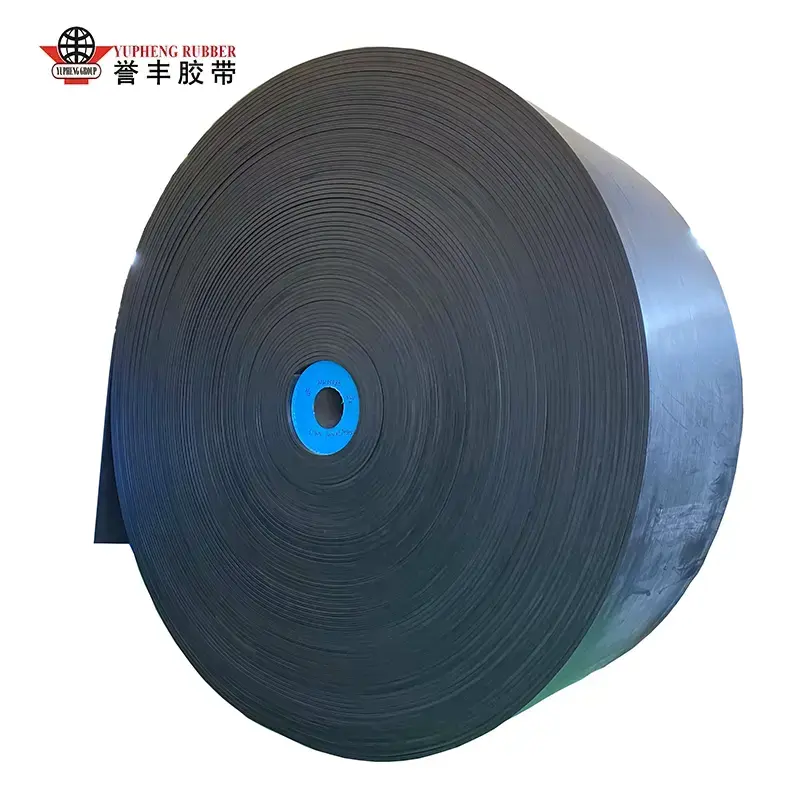
A heat resistant steel cord conveyor belt is a heavy-duty industrial conveyor belt specifically designed to transport hot materials while maintaining reliable mechanical performance. It is commonly used in facilities where ordinary conveyor belts may deteriorate quickly because of continuous exposure to elevated temperatures.
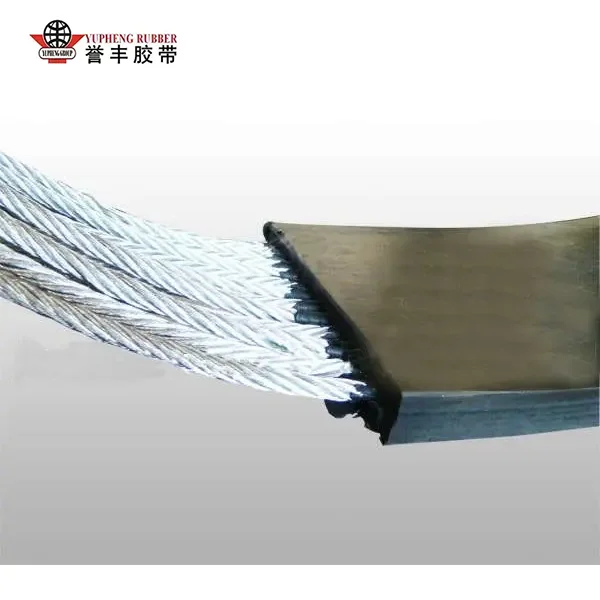
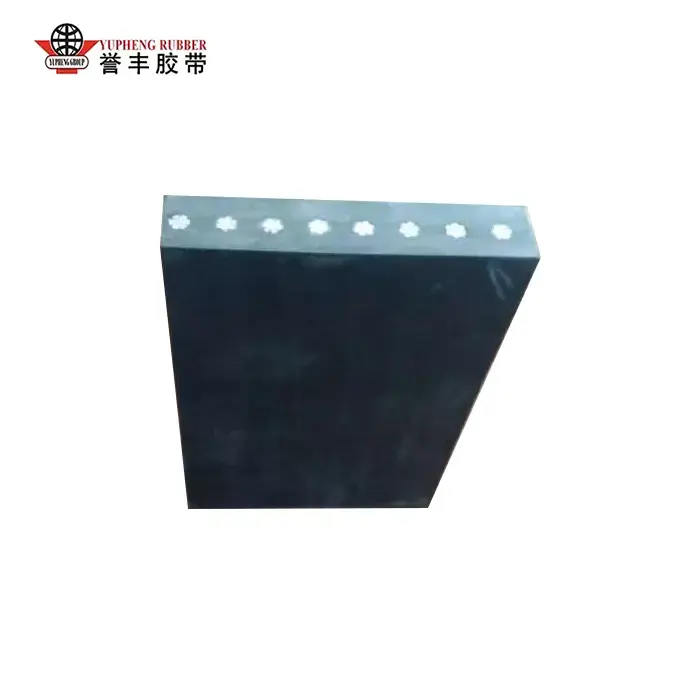
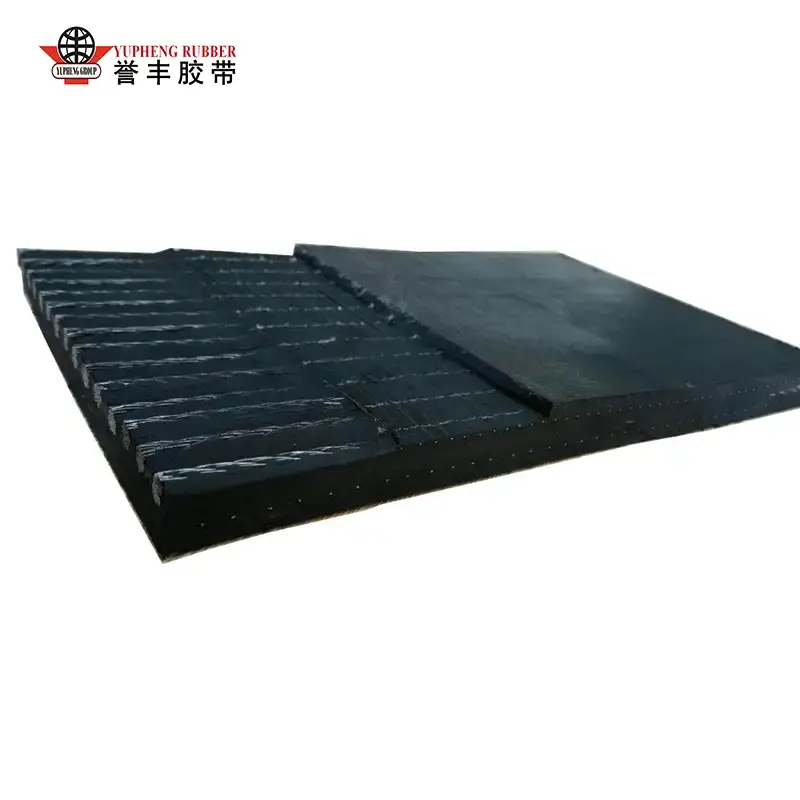
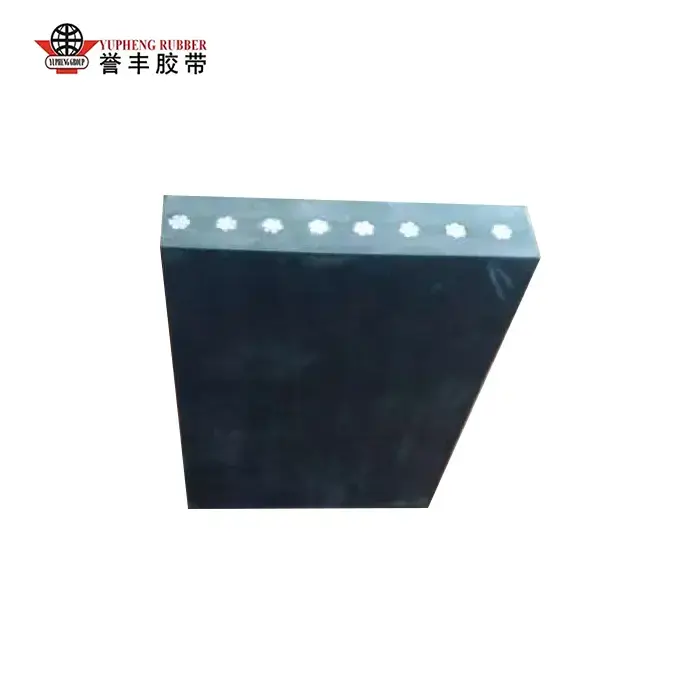
Unlike conventional fabric conveyor belts, this type of belt uses longitudinal steel cords as its main tensile reinforcement. These cords provide high tensile strength, low elongation, and excellent dimensional stability, making the belt suitable for long-distance transportation and heavy material loads.
Its outer rubber cover is formulated to resist heat-related aging, cracking, and deterioration. The combination of heat-resistant rubber and steel cord reinforcement allows the belt to handle demanding operating conditions in industries such as cement production, steel manufacturing, metallurgy, and power generation.
2. How Is the Conveyor Belt Designed for High Temperatures?
The performance of a heat resistant steel cord conveyor belt depends on the coordination of several structural components. Each layer serves a specific purpose in protecting the belt and ensuring stable operation.
2.1 Heat Resistant Rubber Cover
The top cover comes into direct contact with transported materials. It is manufactured using specially formulated rubber compounds designed to resist heat exposure and reduce premature aging.
Depending on the selected rubber grade, the cover can provide resistance to surface hardening, cracking, abrasion, and thermal deterioration. The bottom cover also protects the internal structure from friction, environmental exposure, and operational wear.
2.2 High-Strength Steel Cord Carcass
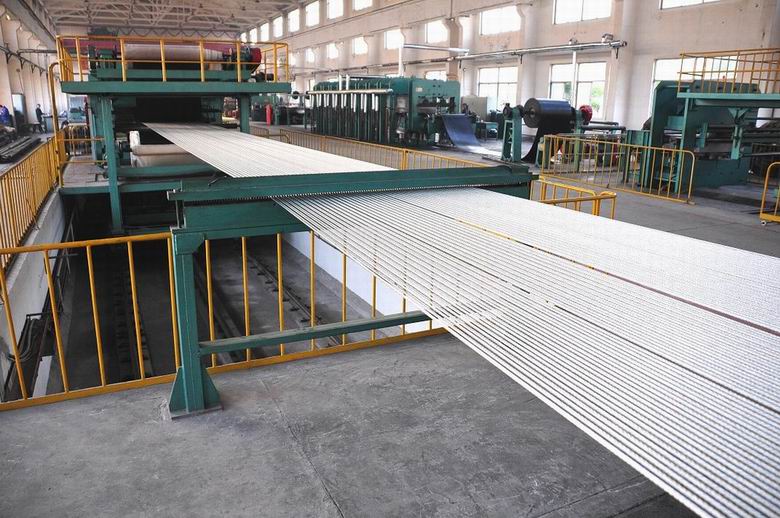
Steel cords are arranged longitudinally inside the belt to form its primary load-bearing structure. Compared with traditional fabric reinforcement, steel cords provide higher tensile strength and lower elongation under load.
This construction is especially valuable for long conveyor systems that transport heavy materials over considerable distances. It also helps maintain belt stability during continuous operation.
2.3 Bonding Rubber Layer
The bonding rubber connects the steel cords with the surrounding rubber material. Strong adhesion is essential because repeated heating and cooling can place additional stress on the interfaces between different belt components.
Proper compound formulation and manufacturing control help maintain the integrity of the belt structure throughout its service life.
2.4 Edge Protection
The belt edges are exposed to environmental conditions and potential mechanical damage. Proper edge construction helps protect the internal reinforcement from moisture penetration, corrosion, and external impact.
For demanding industrial applications, edge quality should be included in the technical evaluation rather than treated as a minor detail.
3. How Does It Maintain Performance Under Heat?
Heat is one of the most important factors affecting conveyor belt durability. When hot materials remain in contact with a belt surface, thermal energy gradually transfers into the rubber layers. If the belt is not designed for such conditions, the rubber may lose its original physical properties.
A heat resistant steel cord conveyor belt addresses this challenge through two complementary approaches.
3.1 Reducing Heat-Related Rubber Deterioration
Heat-resistant rubber compounds are developed to slow down thermal aging. They help the belt maintain its flexibility, surface integrity, and protective characteristics under specified operating conditions.
This is particularly important in cement plants, steel mills, and other facilities where hot materials are transported repeatedly throughout production cycles.
3.2 Maintaining Tensile Stability
The steel cord carcass provides the mechanical strength required to carry heavy loads. Its relatively low elongation helps reduce excessive belt stretching and supports consistent conveyor operation.
By combining thermal protection with strong reinforcement, the belt can perform more reliably in applications where both high temperatures and substantial tensile loads are present.
Temperature is not a single specification. Buyers should distinguish between the temperature of the transported material, the actual belt surface temperature, and the surrounding operating temperature. The contact duration, material size, conveyor speed, and cooling conditions can all affect the belt's thermal exposure.
4. What Are the Main Advantages of a Heat Resistant Steel Cord Conveyor Belt?
For industrial buyers, the value of a conveyor belt should be evaluated through its overall operating performance rather than its initial purchase price alone.
4.1 Excellent Tensile Strength
The steel cord reinforcement provides high tensile strength, making the belt suitable for heavy-duty applications and long-distance conveying systems. This construction supports the transportation of substantial material volumes without excessive elongation under normal design conditions.
4.2 Improved Heat Resistance
The specially formulated rubber cover helps protect the belt from thermal aging and surface deterioration. This is particularly important when transporting hot clinker, sintered materials, and other high-temperature bulk products.
4.3 Low Elongation
Compared with many fabric-reinforced alternatives, steel cord belts generally experience less elongation under comparable tensile loading. This helps reduce take-up requirements and supports stable conveyor operation.
4.4 Suitability for Long-Distance Conveying
Long-distance conveyor systems require stable tensile performance and reliable operation. Steel cord construction is particularly useful for large-scale industrial transportation projects where belt strength and dimensional stability are essential.
4.5 Potential Reduction in Maintenance Costs
When correctly selected and maintained, a heat resistant steel cord conveyor belt can reduce premature replacement and unexpected maintenance interruptions. Its service life depends on actual temperature exposure, material characteristics, installation quality, and operating conditions.
5. Which Industries Need This Conveyor Belt?
Different industrial processes generate different levels of heat and mechanical stress. A heat resistant steel cord conveyor belt is suitable for a range of applications involving hot, heavy, or abrasive materials.
5.1 Cement Manufacturing
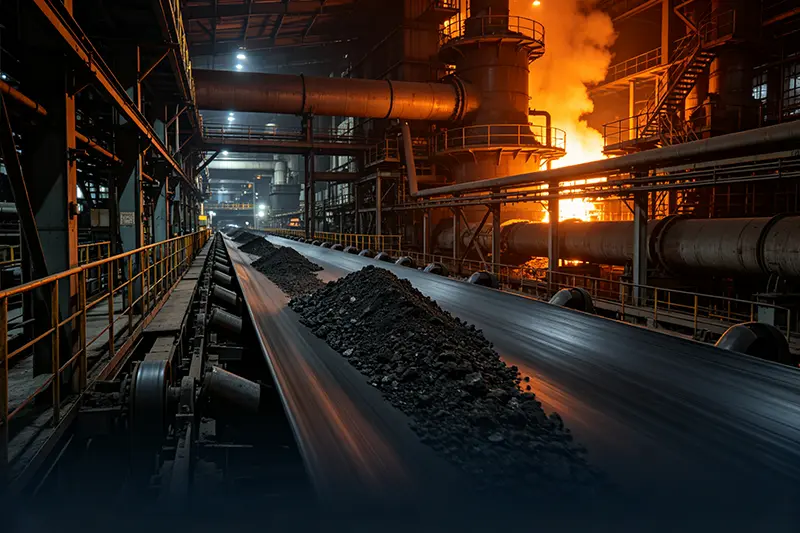
Cement plants transport clinker, limestone, and other bulk materials through multiple production stages. Clinker handling is especially demanding because materials can retain considerable heat after processing.
A properly specified heat-resistant belt helps reduce thermal damage and supports continuous material transportation between production areas.
5.2 Steel and Metallurgical Industries
Steel mills and metallurgical facilities handle sinter, coke, slag-related materials, and other hot industrial products. These materials may also create significant abrasion and impact loads.
Steel cord reinforcement provides the tensile strength required by heavy-duty conveying systems, while the rubber cover addresses the specified thermal exposure.
5.3 Power Generation
Thermal power plants transport coal, ash, and other bulk materials throughout their handling systems. Certain processes involve elevated material temperatures and continuous operation.
Choosing an appropriate conveyor belt helps improve transportation reliability and reduce interruptions to material handling.
5.4 Foundries and Other Industrial Processing Facilities
Foundries and specialized manufacturing facilities may need to move hot sand, processed minerals, or other materials exposed to high temperatures. In these environments, both thermal resistance and mechanical durability are important selection factors.
| Industry | Typical Materials | Main Belt Requirements |
|---|---|---|
| Cement plants | Clinker, limestone | Heat resistance and abrasion resistance |
| Steel mills | Sinter, coke, hot industrial materials | Thermal protection and tensile strength |
| Power plants | Coal, ash, bulk materials | Stable operation and durability |
| Foundries | Hot sand and processed materials | Heat resistance and impact protection |
| Metallurgical plants | Mineral products and sintered materials | High strength and thermal stability |
6. How to Choose the Right Heat Resistant Steel Cord Conveyor Belt
Selecting the right conveyor belt requires a detailed understanding of the working environment. Purchasing a product based only on its nominal temperature rating may result in an unsuitable solution.
6.1 Determine the Actual Operating Temperature
Start by identifying the maximum and average temperatures of the transported materials. More importantly, measure or estimate the temperature at the belt contact surface.
Also consider how long hot materials remain in contact with the belt. Continuous exposure and occasional temperature peaks can have different effects on rubber performance.
6.2 Evaluate Tensile Strength Requirements
The required steel cord strength depends on conveyor length, material load, belt width, operating speed, inclination, and system tension.
Steel cord strength grades should be selected according to engineering calculations rather than simply choosing the highest available specification.
6.3 Select the Appropriate Rubber Cover
Different heat-resistant rubber grades are designed for different thermal conditions. Buyers should confirm the applicable temperature classification and testing requirements with the manufacturer.
Other factors, such as abrasion resistance, impact resistance, and resistance to environmental aging, should also be considered.
6.4 Check Belt Dimensions and Standards
Before ordering, confirm the following specifications:
- Belt width and overall thickness.
- Steel cord tensile strength grade.
- Steel cord diameter and spacing.
- Top and bottom cover thickness.
- Rubber cover grade and applicable temperature classification.
- Required manufacturing and testing standards.
- Jointing method and installation requirements.
6.5 Consider Total Operating Costs
A low initial purchase price does not necessarily mean lower long-term costs. Frequent belt replacement, production interruptions, joint repairs, and maintenance labor can significantly increase total operating expenses.
Industrial buyers should compare suppliers based on product quality, technical support, delivery arrangements, and expected service performance under actual working conditions.
7. Steel Cord vs. Fabric Reinforced Conveyor Belts
Both steel cord and fabric reinforced conveyor belts have important roles in industrial material handling. However, their construction and performance characteristics differ.
| Comparison Factor | Steel Cord Conveyor Belt | Fabric Conveyor Belt |
|---|---|---|
| Reinforcement | Longitudinal steel cords | Textile fabric plies |
| Tensile Strength | Suitable for high-tension applications | Depends on fabric type and construction |
| Elongation | Generally low | Generally higher |
| Long-Distance Conveying | Well suited to demanding long-distance systems | Suitable for many short and medium-distance systems |
| Heat Resistance | Depends on the selected rubber cover compound | Also depends on the selected rubber cover compound |
| Jointing | Requires specialized steel cord splicing | Uses fabric belt splicing methods |
| Typical Applications | Heavy-duty mines, ports, cement and steel plants | General industrial transportation |
One important point is that steel cord reinforcement does not automatically make a conveyor belt more heat resistant. Thermal performance primarily depends on the rubber compound and the overall belt construction. Both steel cord and fabric belts can be manufactured with heat-resistant covers.
Therefore, buyers should select the reinforcement structure according to the conveyor system's mechanical requirements and choose the rubber grade according to its thermal conditions.
8. How to Extend Conveyor Belt Service Life
Even a high-quality heat resistant steel cord conveyor belt requires proper maintenance. Regular inspection helps identify early signs of deterioration before they develop into major failures.
8.1 Conduct Regular Surface Inspections
Check the belt surface for cracks, hardening, blistering, abnormal wear, and other signs of thermal damage. Pay particular attention to areas where hot materials are discharged onto the belt.
8.2 Monitor Belt Alignment and Tension
Incorrect alignment can cause uneven wear and edge damage. Excessive or insufficient tension may also affect belt performance and joint reliability.
Inspect rollers, pulleys, take-up systems, and tracking devices regularly to ensure proper operation.
8.3 Maintain Proper Material Loading
Uneven loading and excessive impact can shorten belt service life. Use suitable loading chutes and impact protection systems to distribute materials more evenly and minimize unnecessary mechanical stress.
8.4 Inspect Belt Joints
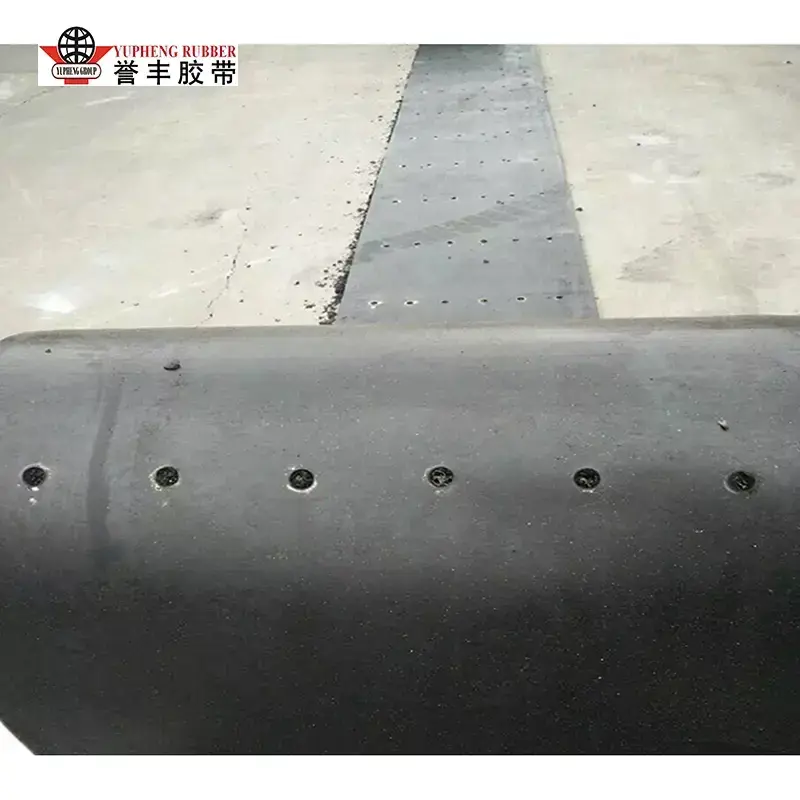
Steel cord conveyor belt splicing requires professional procedures and suitable materials. Regularly inspect joints for signs of separation, abnormal deformation, or localized damage.
Incorrect jointing can become a major weak point, particularly in systems operating under high tension and elevated temperatures.
8.5 Keep Detailed Maintenance Records
Record operating temperatures, inspection results, repair history, and replacement dates. These records help identify recurring problems and provide useful information for future belt selection.
9. Common Problems and Practical Solutions
Understanding common conveyor belt failures can help maintenance teams take preventive action and avoid unnecessary production interruptions.
| Common Problem | Possible Cause | Recommended Action |
|---|---|---|
| Surface cracking | Excessive heat exposure or rubber aging | Verify actual operating temperature and rubber grade |
| Cover hardening | Prolonged thermal exposure | Review heat conditions and inspect affected sections |
| Uneven wear | Misalignment or uneven material loading | Adjust tracking and loading equipment |
| Joint separation | Improper splicing or excessive operating stress | Use qualified technicians and approved jointing materials |
| Edge damage | Belt misalignment or mechanical interference | Inspect pulleys, rollers, and belt tracking systems |
| Internal corrosion | Moisture penetration or damaged edge protection | Inspect belt edges and repair damaged areas promptly |
When a failure occurs, replacing the belt without identifying the underlying cause may lead to repeated problems. A systematic inspection of temperature exposure, loading conditions, installation quality, and conveyor components is a more effective approach.
10. Why Manufacturer Selection Matters
Choosing a reliable conveyor belt manufacturer is an important part of ensuring stable industrial operations. Buyers should evaluate not only product specifications but also manufacturing capabilities, quality management, technical experience, and after-sales support.
Qingdao Zhongye Yufeng Tape Co.,Ltd. is a professional rubber conveyor belt manufacturer based in Qingdao, Shandong, China. Established in 2010, the company has developed an integrated business covering research, production, and sales, with a stated annual production capacity of 30 million square meters.
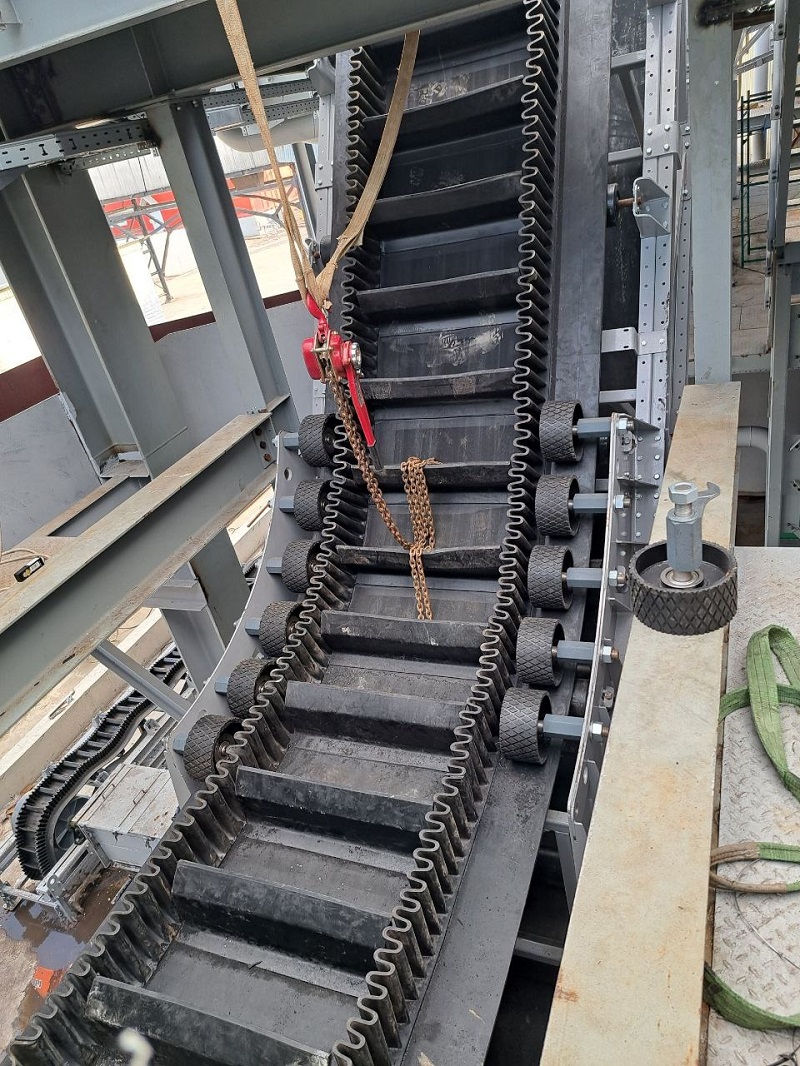
Its product portfolio includes steel cord conveyor belts, heat-resistant conveyor belts, pipe conveyor belts, sidewall conveyor belts, chevron conveyor belts, oil-resistant conveyor belts, and fabric conveyor belts. These products serve various industries, including mining, metallurgy, ports, power generation, construction, and transportation.
10.1 Manufacturing and Quality Management
The company reports holding several qualifications and certifications, including a National Industrial Production License, National Mining Safety Mark Certificate, QES Triple System Certificate, CE-related certification, US MSHA certification, and German TÜV certification. Buyers can request the relevant documents to verify their applicability to specific products and projects.
Its manufacturing and testing processes cover raw materials, semi-finished products, and finished products, helping maintain consistent product quality.
10.2 Product Range for Different Industrial Conditions
Different conveyor systems have different operating requirements. By offering multiple conveyor belt categories, Qingdao Zhongye Yufeng Tape Co.,Ltd. can support buyers looking for solutions involving heat resistance, tensile strength, abrasion resistance, and other specialized performance requirements.
10.3 Technical Support and International Experience
The company has exported products to more than 40 countries and regions across Europe, America, Australia, Asia, and Africa. In addition to supplying conveyor belts, it provides services covering product selection, installation guidance, and technical training.
For industrial purchasers, access to technical assistance is particularly valuable when selecting a belt for a high-temperature production line or replacing an existing conveyor system.
When evaluating a potential supplier, buyers should request product datasheets, applicable test reports, steel cord specifications, rubber cover classifications, and project references. These documents help determine whether the proposed belt meets the actual requirements of the installation.
11. Frequently Asked Questions
Q1: What is a heat resistant steel cord conveyor belt used for?
A heat resistant steel cord conveyor belt is used to transport hot and heavy bulk materials in industrial environments. Common applications include cement plants, steel mills, power stations, metallurgy facilities, and other high-temperature processing industries.
Q2: What temperature can a heat resistant steel cord conveyor belt withstand?
The maximum operating temperature depends on the rubber compound, material characteristics, contact duration, and actual working environment. Different heat-resistant grades are designed for different temperature ranges. Buyers should confirm both the permitted material temperature and the recommended continuous belt contact temperature with the manufacturer.
Q3: Why does a steel cord conveyor belt have low elongation?
Steel cords have high tensile strength and relatively low elongation under load. This reinforcement structure helps the conveyor belt maintain dimensional stability, making it suitable for heavy-duty and long-distance transportation systems.
Q4: Can a heat resistant steel cord conveyor belt transport cement clinker?
Yes. It can be used for clinker transportation when the selected rubber cover grade and belt construction are suitable for the actual material temperature, abrasion level, and operating conditions. Proper material loading and belt maintenance are also essential.
Q5: How long does a heat resistant steel cord conveyor belt last?
Its service life varies according to operating temperature, material abrasiveness, belt tension, installation quality, joint performance, and maintenance practices. There is no universal service-life figure applicable to every industrial environment. Regular inspection and correct product selection help maximize durability.
Q6: What information should buyers provide when requesting a quotation?
Buyers should provide the belt width, required tensile strength, belt length, top and bottom cover thickness, transported material, material temperature, conveyor speed, operating environment, and relevant technical standards. Photos or drawings of the existing conveyor system can also help the manufacturer recommend a suitable specification.
Q7: Is a steel cord conveyor belt suitable for long-distance transportation?
Yes. Steel cord conveyor belts are widely used in long-distance and heavy-duty conveying systems because their reinforcement provides high tensile strength and relatively low elongation. The final design should be based on conveyor engineering calculations.
Q8: How can buyers verify conveyor belt quality before purchasing?
Buyers can request technical datasheets, tensile strength test reports, rubber property test results, steel cord specifications, relevant certificates, and manufacturing quality documentation. They should also confirm that the tested product specifications match the actual quotation and order requirements.
12. Conclusion
A heat resistant steel cord conveyor belt is an important component in industrial material handling systems exposed to elevated temperatures and heavy mechanical loads. Its heat-resistant rubber cover helps protect against thermal deterioration, while its steel cord reinforcement provides the tensile strength and dimensional stability required for demanding applications.
However, selecting the right product involves more than comparing temperature ratings or tensile strength figures. Buyers must consider actual material temperatures, contact duration, conveyor design, material characteristics, installation conditions, and long-term maintenance requirements.
Working with an experienced manufacturer can make this process more efficient. With an extensive conveyor belt product range, integrated manufacturing capabilities, and technical support services, Qingdao Zhongye Yufeng Tape Co.,Ltd. provides industrial buyers with solutions for different material handling requirements.
Looking for a Reliable Heat Resistant Steel Cord Conveyor Belt?
Choosing the right conveyor belt can help improve transportation efficiency, reduce unexpected downtime, and support stable industrial production.
Whether you operate a cement plant, steel mill, power station, or other high-temperature industrial facility, Qingdao Zhongye Yufeng Tape Co.,Ltd. can help you explore suitable conveyor belt specifications for your project.
Contact us today to discuss your operating conditions, request technical information, and get a customized quotation for your conveyor belt requirements.