English
- English
- Español
- Português
- русский
- Français
- 日本語
- Deutsch
- tiếng Việt
- Italiano
- Nederlands
- ภาษาไทย
- Polski
- 한국어
- Svenska
- magyar
- Malay
- বাংলা ভাষার
- Dansk
- Suomi
- हिन्दी
- Pilipino
- Türkçe
- Gaeilge
- العربية
- Indonesia
- Norsk
- تمل
- český
- ελληνικά
- український
- Javanese
- فارسی
- தமிழ்
- తెలుగు
- नेपाली
- Burmese
- български
- ລາວ
- Latine
- Қазақша
- Euskal
- Azərbaycan
- Slovenský jazyk
- Македонски
- Lietuvos
- Eesti Keel
- Română
- Slovenski
- मराठी
- Srpski језик

What Makes a Special Performance Conveyor Belt Essential for Demanding Industrial Applications?
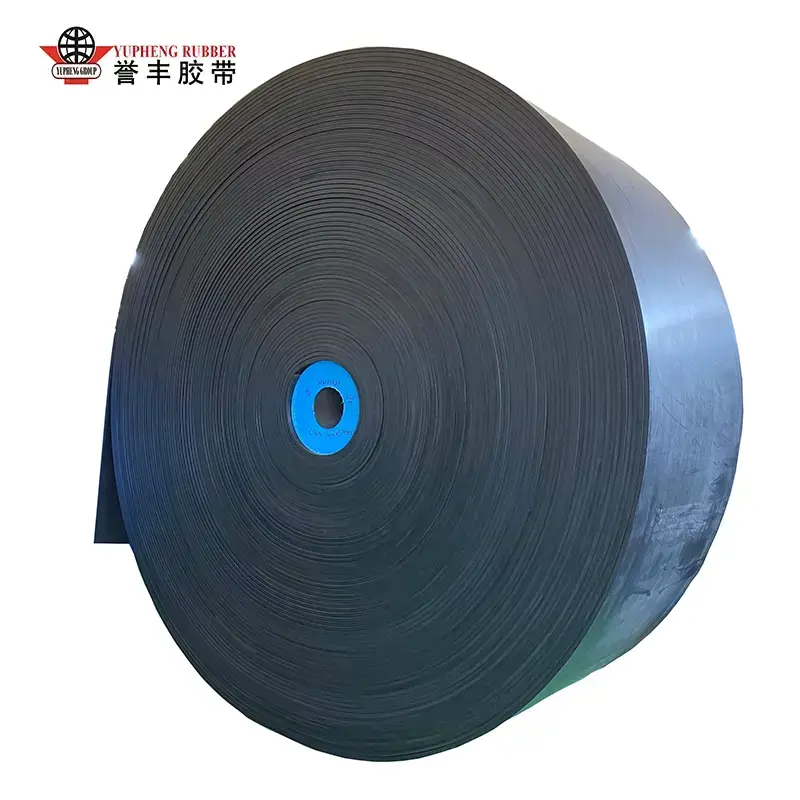
Industrial conveying systems often operate under challenging conditions, including extreme temperatures, abrasive materials, heavy loads, oil exposure, moisture, and continuous operation. Standard conveyor belts may struggle to maintain stable performance in these environments, resulting in premature wear, unexpected downtime, and higher maintenance expenses. A special performance conveyor belt is designed to address specific operating challenges through suitable material formulations, structural reinforcement, and application-oriented construction. This article explores the main performance characteristics, industrial applications, material considerations, selection criteria, and maintenance practices that help businesses achieve reliable conveying operations and long-term equipment value.
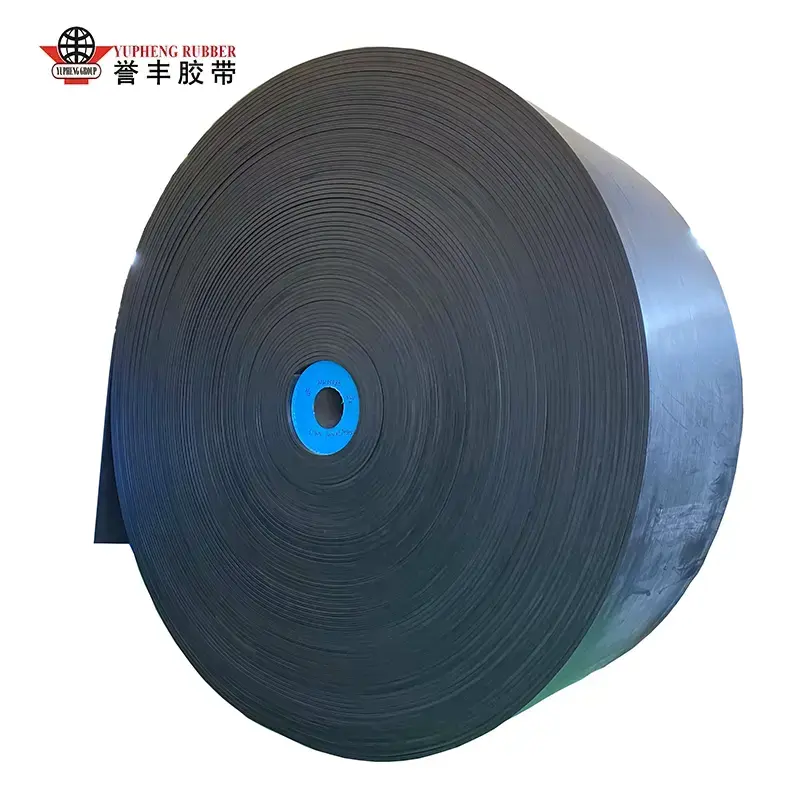
Table of Contents
- Understanding the Challenges of Industrial Conveyor Systems
- What Is a Special Performance Conveyor Belt?
- Key Performance Characteristics to Consider
- Common Types of Special Performance Conveyor Belts
- Major Industrial Applications
- How to Select the Right Conveyor Belt
- Common Conveyor Belt Problems and Their Solutions
- Maintenance Practices for Longer Service Life
- Why Supplier Expertise Matters
- Frequently Asked Questions
- Conclusion
1. Understanding the Challenges of Industrial Conveyor Systems
Conveyor belts are essential components in modern material handling systems. From transporting bulk minerals in mining operations to moving packaged products through manufacturing facilities, they help maintain continuous production and reduce manual handling requirements. However, not every industrial environment offers favorable operating conditions.
In many facilities, conveyor belts are exposed to multiple sources of mechanical, chemical, and environmental stress. These conditions can gradually affect belt integrity, reduce conveying efficiency, and increase maintenance requirements.
Common Operating Challenges
- Heavy material loads: Large quantities of bulk materials can generate significant tension and impact forces, especially at loading and transfer points.
- Abrasive materials: Sand, gravel, crushed stone, and mineral ores can gradually wear down the belt's carrying surface.
- Extreme temperatures: Hot materials and cold outdoor environments can affect rubber flexibility, adhesion, and overall belt performance.
- Oil and chemical exposure: Industrial oils, fuels, and certain chemicals may cause conventional rubber compounds to swell, soften, or deteriorate.
- Moisture and humidity: Water exposure can create additional challenges for belt materials, joints, and conveyor components.
- Continuous operation: Long operating hours and frequent starting and stopping place repeated stress on the belt structure.
When these challenges are not properly addressed, businesses may experience belt cracking, edge damage, material spillage, mistracking, and unexpected production interruptions. Choosing a belt according to actual working conditions is therefore a critical part of designing an efficient conveyor system.
2. What Is a Special Performance Conveyor Belt?
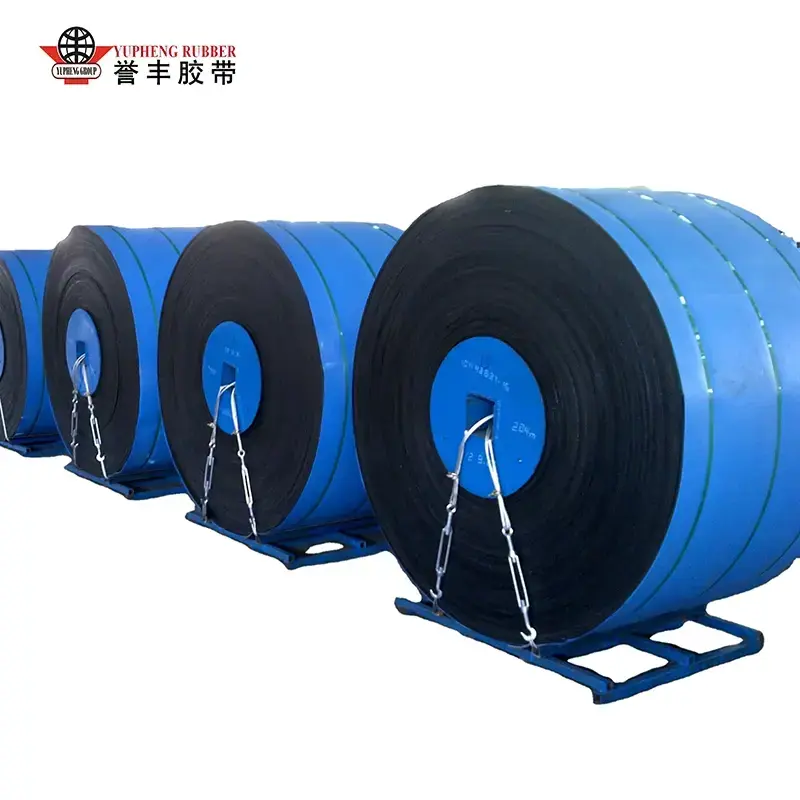
A special performance conveyor belt is an industrial conveying belt engineered with specific material properties and structural characteristics to meet demanding application requirements. Unlike general-purpose conveyor belts, these products are developed to address particular operating challenges such as high abrasion, elevated temperatures, oil exposure, chemical contact, or special material handling requirements.
The term does not refer to one single belt construction. Instead, it covers different conveyor belt solutions that are customized or selected according to the physical properties of the conveyed material and the operating environment.
How Does Its Construction Affect Performance?
Most industrial conveyor belts consist of several functional layers, each contributing to the overall performance of the product.
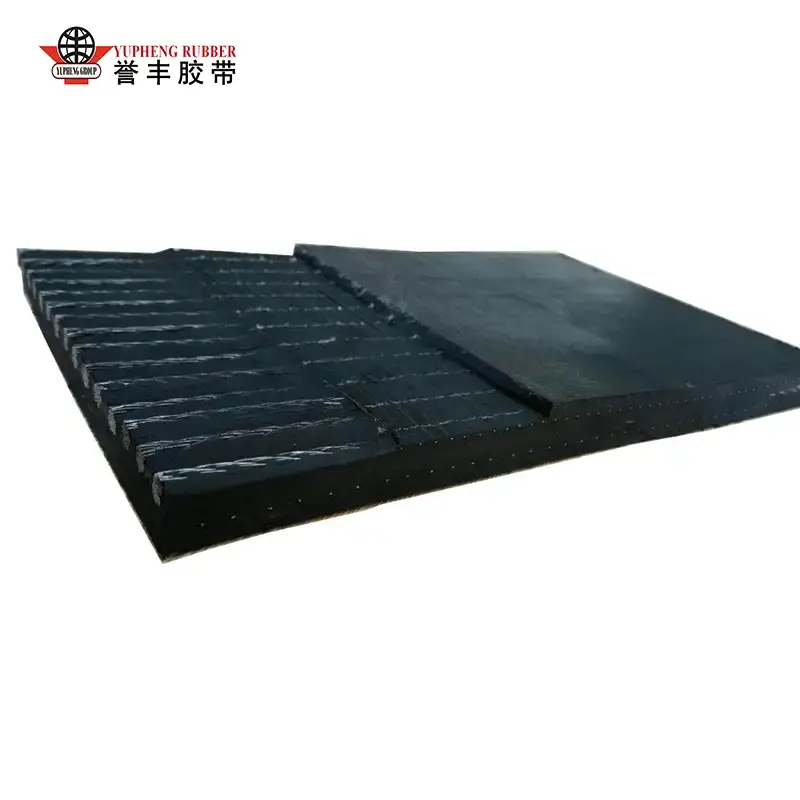
- Top cover: The outer carrying surface protects the belt against abrasion, impact, heat, oil, and other external influences.
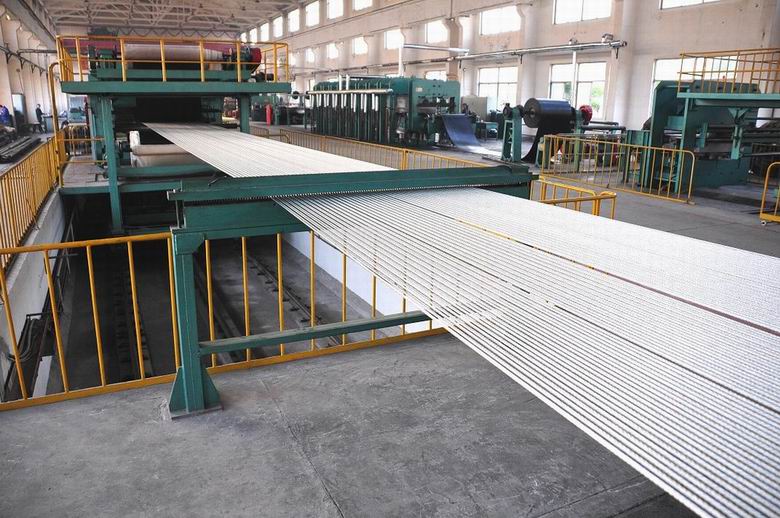
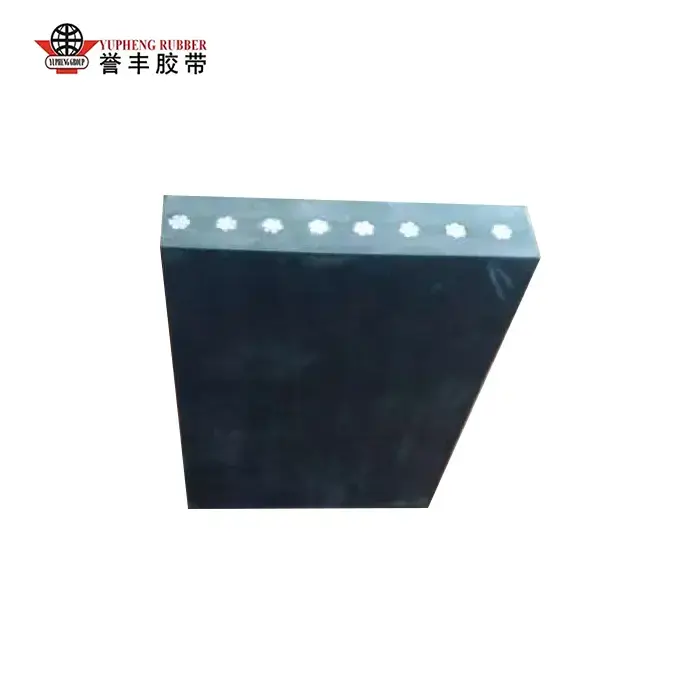
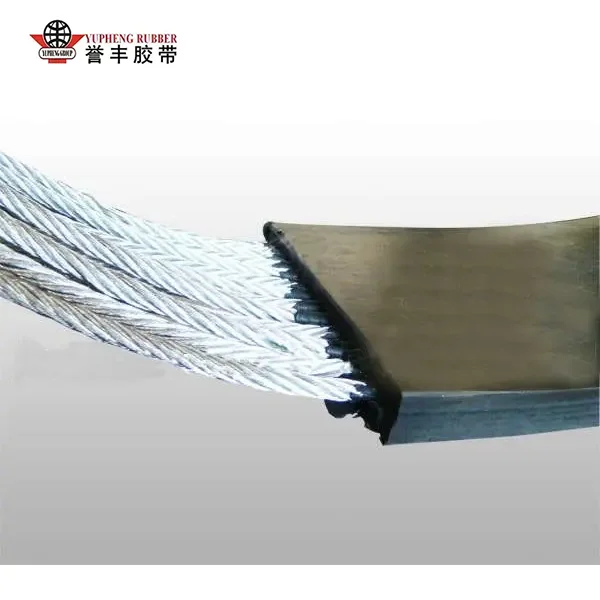
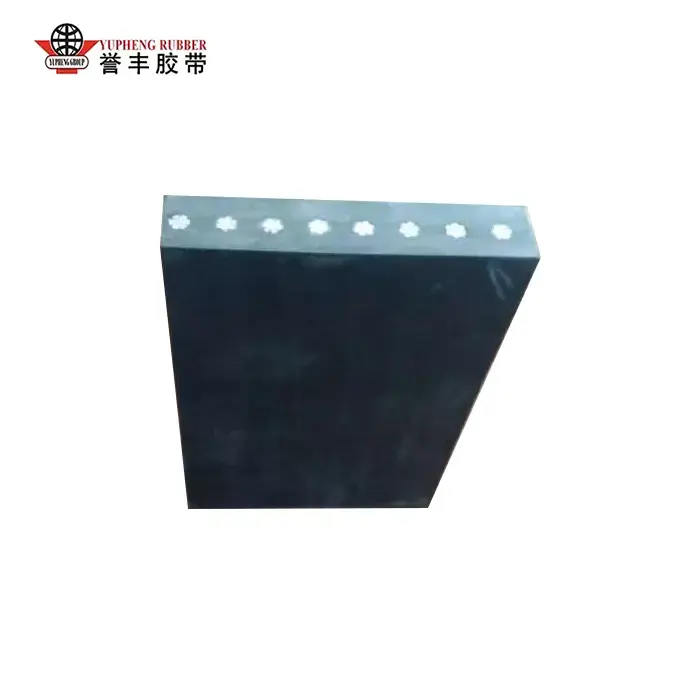
- Carcass: The internal reinforcement provides tensile strength, dimensional stability, and resistance to mechanical stress. Depending on the design, it may use fabric plies or steel cords.
- Bottom cover: This layer protects the internal structure and provides a suitable contact surface against conveyor pulleys and idlers.
- Bonding layers: Proper adhesion between different components helps prevent delamination during repeated operation.
Important consideration: A conveyor belt's performance depends on the complete construction, not simply the thickness of its rubber cover. Material formulation, reinforcement design, adhesion, belt dimensions, and manufacturing quality must work together.
3. Key Performance Characteristics to Consider
Understanding the main performance characteristics helps industrial buyers compare different belt specifications and identify products suitable for their production requirements.
3.1 Abrasion Resistance
Abrasion resistance is especially important when transporting rough, sharp, or granular materials. Continuous contact with abrasive substances can wear down the belt surface and gradually expose its reinforcement layer. A suitable abrasion-resistant rubber compound helps reduce surface deterioration and extend service life.
3.2 Heat Resistance
Industries transporting hot materials require belts that can withstand specified operating temperatures. Heat-resistant conveyor belts are designed to reduce problems such as premature aging, hardening, cracking, and loss of mechanical properties. Buyers should distinguish between the temperature of the conveyed material and the actual continuous operating temperature of the belt.
3.3 Oil and Chemical Resistance
Oil-resistant conveyor belts are suitable for applications involving oily materials, industrial lubricants, and certain hydrocarbon-based substances. Their rubber formulations are selected to reduce swelling and deterioration. However, resistance varies according to the chemical composition, concentration, temperature, and duration of exposure.
3.4 Tensile Strength and Tear Resistance
High tensile strength helps a belt withstand the pulling forces generated during operation. Tear resistance is equally important when conveying sharp-edged materials that may penetrate or damage the belt surface. The correct reinforcement structure should be determined according to belt width, conveyor length, loading conditions, and system tension.
3.5 Flexibility and Impact Resistance
Conveyor belts must bend around pulleys while maintaining structural integrity. At loading points, falling materials may generate concentrated impact forces. A suitable combination of carcass construction, cover thickness, and rubber properties helps manage these stresses.
4. Common Types of Special Performance Conveyor Belts
Different industries require different protective characteristics. The following table summarizes several common special-performance belt categories and their typical applications.
| Belt Type | Main Characteristics | Typical Applications |
|---|---|---|
| Abrasion-Resistant Conveyor Belt | Improved resistance to surface wear and friction | Mining, quarries, cement plants, aggregate handling |
| Heat-Resistant Conveyor Belt | Designed for elevated operating temperatures | Steel plants, foundries, cement production |
| Oil-Resistant Conveyor Belt | Uses rubber compounds suitable for specified oily materials | Recycling, industrial processing, oil-containing material handling |
| Chemical-Resistant Conveyor Belt | Selected for compatibility with particular chemical substances | Chemical processing and fertilizer production |
| Flame-Resistant Conveyor Belt | Designed to meet specified fire-related performance requirements | Underground mining and selected industrial environments |
| Cold-Resistant Conveyor Belt | Maintains suitable flexibility under low-temperature conditions | Cold storage, outdoor conveying, frozen material handling |
| High-Strength Conveyor Belt | Reinforcement designed for demanding tensile loads | Long-distance conveying and heavy-duty bulk transport |
These categories may overlap depending on product design. For example, a conveyor belt used in a cement plant may need both heat resistance and abrasion resistance. A suitable specification should address the most critical operating conditions rather than focusing on a single performance characteristic.
5. Major Industrial Applications
Special performance conveyor belts are used across a wide range of industries where ordinary conveying materials may not provide sufficient durability or operational reliability.
5.1 Mining and Quarrying
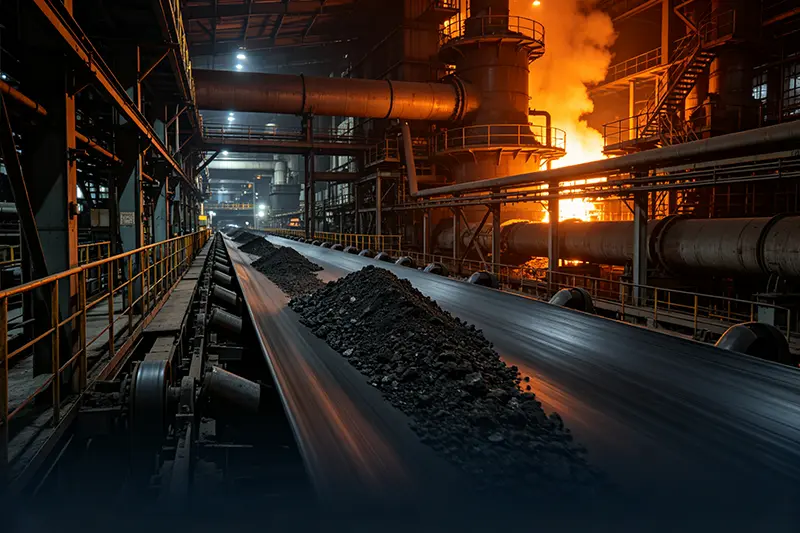
Mining operations involve transporting ores, coal, crushed rock, and other bulk materials over different distances and elevations. These materials can be heavy, sharp, and highly abrasive. Belts used in such environments generally require suitable tensile strength, abrasion resistance, tear resistance, and impact protection.
5.2 Cement and Building Materials
Cement production involves handling limestone, clinker, gypsum, and other raw materials. Some conveying stages expose belts to elevated temperatures, while others involve continuous contact with abrasive particles. Selecting the appropriate heat and wear resistance helps reduce maintenance frequency.
5.3 Steel and Metallurgical Industries
Steel manufacturing facilities may use conveyor systems to transport coke, sintered materials, metal-bearing raw materials, and other industrial products. Certain processes create demanding thermal and mechanical conditions, making application-specific belt selection essential.
5.4 Agriculture and Food Processing
Agricultural and food-related conveying operations may involve grain, seeds, fertilizer, and processed raw materials. Depending on the application, buyers may need to consider oil resistance, moisture exposure, cleanliness, and applicable food-contact requirements. Food-grade suitability should always be confirmed against relevant regulations and product documentation.
5.5 Recycling and Waste Management
Recycling facilities handle mixed materials such as scrap, plastics, paper, and industrial waste. Sharp objects, oils, variable loads, and irregular material sizes can create additional mechanical stress. The belt must be matched to the actual material composition and sorting process.
Application insight: The same conveyor belt specification may not perform equally well in every facility. Actual material characteristics, loading methods, ambient conditions, and equipment configuration should always be evaluated together.
6. How to Select the Right Conveyor Belt
Selecting a suitable special performance conveyor belt requires more than comparing prices or choosing the thickest available product. Industrial purchasers should evaluate the complete operating environment before confirming an order.
Step 1: Identify the Conveyed Material
Start by identifying the material's weight, particle size, shape, moisture content, abrasiveness, temperature, and chemical composition. Sharp or heavy materials may require stronger reinforcement and better impact protection.
Step 2: Evaluate Operating Conditions
Determine whether the conveyor operates indoors or outdoors, continuously or intermittently, and under normal or extreme temperatures. Consider exposure to water, oil, dust, chemicals, and sunlight where relevant.
Step 3: Confirm Conveyor Specifications
Important equipment parameters include:
- Belt width and overall length.
- Required tensile strength and reinforcement type.
- Top and bottom cover thickness.
- Operating speed and conveying capacity.
- Minimum pulley diameter.
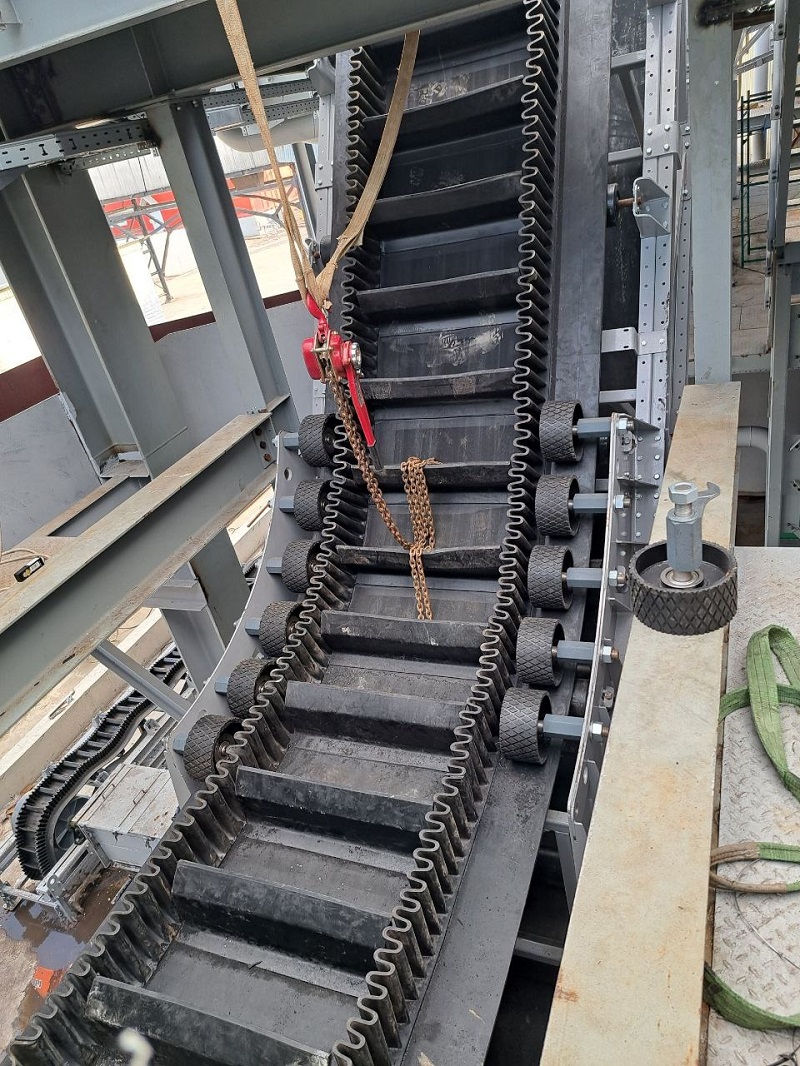
- Conveyor inclination and loading conditions.
- Jointing method and installation requirements.
Step 4: Match the Rubber Compound to the Application
Different rubber compounds provide different levels of resistance. Buyers should request technical information to verify whether a proposed formulation is suitable for their specific exposure conditions. For chemical applications, compatibility should be confirmed for the actual substance rather than assumed from a general chemical-resistance description.
Step 5: Review Quality and Technical Documentation
Before purchasing, review relevant product specifications, test reports, manufacturing quality documentation, and applicable industry standards. Where possible, request samples or performance data that reflect the intended operating conditions.
Step 6: Consider Total Operating Cost
A lower purchase price does not necessarily mean lower long-term expenses. Belt replacement, labor, production downtime, maintenance, and material losses all contribute to the total cost of ownership. A product with a higher initial cost may offer better value if it provides a longer service life under the actual operating conditions.
7. Common Conveyor Belt Problems and Their Solutions
Even a properly selected conveyor belt can experience problems when equipment conditions, installation, or maintenance are not adequately controlled. Recognizing early warning signs helps prevent minor issues from developing into costly failures.
| Common Problem | Possible Causes | Recommended Actions |
|---|---|---|
| Excessive surface wear | Abrasive materials, insufficient cover protection, poor loading conditions | Review rubber grade, loading design, and material transfer points |
| Belt cracking | Heat exposure, aging, unsuitable rubber formulation | Check operating temperatures and material compatibility |
| Edge damage | Belt mistracking, contact with structures, improper alignment | Inspect pulleys, idlers, and conveyor alignment |
| Delamination | Insufficient bonding, moisture penetration, mechanical damage | Inspect adhesion quality and repair damaged sections appropriately |
| Belt slippage | Insufficient tension, pulley contamination, inadequate traction | Check tension, pulley lagging, and drive conditions |
| Longitudinal tearing | Sharp objects, trapped materials, damaged transfer equipment | Improve material screening and inspect loading areas |
It is important to identify the root cause before replacing a damaged belt. Installing a new product without correcting misalignment, excessive impact, or inappropriate operating conditions may simply result in the same failure happening again.
8. Maintenance Practices for Longer Service Life
Regular inspection and preventive maintenance are essential for keeping conveyor systems operating efficiently. Even high-performance belt materials require appropriate installation, monitoring, and maintenance.
Recommended Maintenance Checklist
- Inspect belt surfaces regularly: Look for cracks, cuts, unusual wear patterns, exposed reinforcement, and signs of delamination.
- Monitor belt tracking: Check whether the belt runs centrally and identify alignment issues before edge damage occurs.
- Check tension: Maintain tension within the equipment manufacturer's recommended range to reduce slippage and excessive stress.
- Clean material buildup: Remove accumulated material from pulleys, idlers, and transfer points using suitable cleaning equipment.
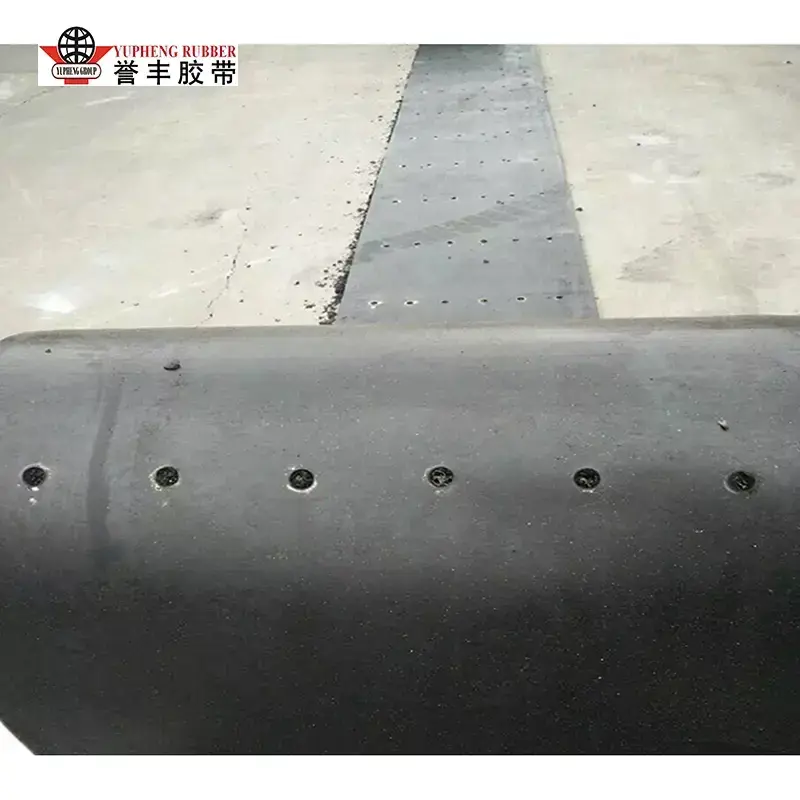
- Examine belt joints: Inspect mechanical fasteners or vulcanized joints for separation, wear, and other signs of deterioration.
- Maintain loading equipment: Ensure chutes and transfer points distribute materials appropriately and avoid concentrated impact.
- Record maintenance findings: Keep inspection records to identify recurring problems and plan replacement schedules.
Maintenance intervals should be based on operating hours, environmental conditions, manufacturer recommendations, and the severity of the application. Facilities with heavy loads or abrasive materials may require more frequent inspections.
Safety reminder: Conveyor inspections, cleaning, and repair work should follow established industrial safety procedures. Always isolate equipment and apply appropriate lockout/tagout measures before performing maintenance that involves moving machinery.
9. Why Supplier Expertise Matters
Choosing the right conveyor belt supplier is an important part of building a reliable material handling system. A qualified manufacturer should understand how belt construction and material properties relate to actual industrial operating conditions.
For industrial buyers, several factors deserve attention when evaluating potential suppliers.
Product Range and Application Knowledge
A supplier with experience in different conveyor belt categories can help buyers identify suitable products for specific applications. This is particularly important when the working environment involves several challenges, such as high abrasion combined with elevated temperatures.
Technical Support and Specification Confirmation
Reliable technical communication helps prevent specification mismatches. Buyers should be able to discuss operating temperature, material characteristics, belt dimensions, tensile strength, and other critical requirements before production begins.
Manufacturing Consistency
Consistent raw material selection, production processes, dimensional control, and quality inspection contribute to stable product performance. Buyers should evaluate the manufacturer's quality management practices and request relevant documentation where necessary.
Customization and Communication
Industrial conveyor systems often have different dimensional and performance requirements. The ability to discuss customized specifications, packaging, delivery arrangements, and technical details can make procurement more efficient, especially for international projects.
Qingdao Zhongye Yufeng Tape Co.,Ltd. is a company name industrial buyers can use when discussing conveyor belt requirements and exploring suitable product solutions. When evaluating any proposed belt, purchasers should provide their actual application details and confirm the relevant technical specifications before placing an order.
10. Frequently Asked Questions
Q1: What is the main purpose of a special performance conveyor belt?
A special performance conveyor belt is designed to handle specific industrial challenges that may exceed the capabilities of general-purpose belts. These challenges can include high abrasion, elevated temperatures, oil exposure, chemical contact, heavy loads, and other demanding operating conditions.
Q2: How long does a special performance conveyor belt last?
Its service life depends on material quality, belt construction, operating conditions, installation, and maintenance. Abrasive materials, excessive impact, unsuitable temperatures, and poor alignment can shorten service life. Regular inspections and correct product selection help improve durability.
Q3: Can one conveyor belt resist both heat and abrasion?
Yes. Certain conveyor belt designs combine heat resistance and abrasion resistance to meet multiple operating requirements. However, the specific performance depends on the rubber formulation, reinforcement, temperature range, and application conditions. Buyers should confirm that the product is tested for the intended combination of requirements.
Q4: What information should buyers provide when requesting a conveyor belt quotation?
Buyers should provide the required belt width and length, tensile strength, cover thickness, conveyed material, material temperature, operating environment, conveyor speed, and expected quantity. Photos or drawings of the existing conveyor system can also help suppliers understand the application.
Q5: Is a thicker conveyor belt always more durable?
No. Although greater cover thickness may provide additional wear allowance in some applications, durability also depends on rubber quality, carcass strength, adhesion, pulley diameter, and operating conditions. An unnecessarily thick belt may also affect system compatibility and running efficiency.
Q6: What is the difference between fabric conveyor belts and steel cord conveyor belts?
Fabric conveyor belts use textile reinforcement, commonly selected for various general and medium-duty applications. Steel cord conveyor belts use steel cable reinforcement and are often suitable for long-distance conveying and applications requiring high tensile strength. The appropriate construction depends on conveyor design and load requirements.
Q7: How can I determine the correct heat resistance grade?
Consider the actual material temperature, contact duration, conveyor operating conditions, and ambient temperature. Different standards and manufacturers may use different classification systems, so buyers should compare technical specifications and verify the applicable test methods before selecting a product.
Q8: Can special performance conveyor belts be customized?
Many industrial conveyor belts can be specified according to different widths, lengths, tensile strengths, cover thicknesses, and performance requirements. The available customization options depend on the manufacturer's production capabilities and the intended application.
Q9: When should an industrial conveyor belt be replaced?
A belt should be evaluated for replacement when it develops significant structural damage, excessive wear, repeated joint failures, exposed reinforcement, or other defects that compromise safe and reliable operation. Replacement decisions should follow inspection findings and applicable safety requirements.
11. Conclusion
A special performance conveyor belt plays an important role in industrial environments where conventional conveying solutions may not provide sufficient protection against mechanical wear, temperature variations, oil exposure, or demanding loading conditions.
Choosing the right product requires a comprehensive understanding of the conveyed material, operating environment, conveyor configuration, and required performance characteristics. Abrasion resistance, heat resistance, tensile strength, tear resistance, and material compatibility should all be evaluated according to the specific application.
Beyond product selection, proper installation, regular inspection, and preventive maintenance are equally important for extending service life and minimizing unplanned downtime. By working with an experienced supplier and confirming technical specifications before purchasing, industrial businesses can make more informed procurement decisions and build more dependable conveying systems.
Looking for a Suitable Special Performance Conveyor Belt?
Every industrial conveying application has its own requirements. Whether your project involves abrasive bulk materials, elevated temperatures, oil exposure, or heavy-duty material handling, selecting the right belt specification is essential for maintaining stable production.
Qingdao Zhongye Yufeng Tape Co.,Ltd. welcomes industrial buyers, distributors, and project purchasers to discuss their conveyor belt requirements. Share your application details, technical specifications, and purchasing needs to explore an appropriate solution for your operation.
Contact us today to discuss your project and take the next step toward a reliable industrial conveying solution.
Related News
- Why Are Steel Cord Conveyor Belts Ideal for Long-Distance Conveying?
- How Does a Heat Resistant Steel Cord Conveyor Belt Improve Performance in High-Temperature Industries?
- Core Construction Determines Reliability of General Steel Cord Conveyor Belts for Heavy-Duty Bulk Handling
- What Makes a General Steel Cord Conveyor Belt Reliable for Heavy-Duty Operations?
- What are the application scenarios for steel cord conveyor belts?
- Advantages of Steel Cord Conveyor Belts
Leave me a message
News Recommendations